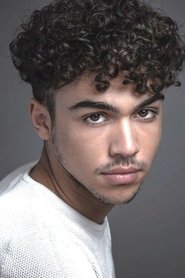
Sami Outalbali
Reda

Sofiane, Victor and Luisa, three seemingly incompatible teenagers find themselves bound together by a supernatural force.
I didn’t expect to care about Mortel. Not really. Teen supernatural dramas have a way of blending into each other—the same tropes, the same beats, the same soundtracks that try just a little too hard to make you feel something.
But there’s something about this French series that lingers, like the echo of a song you can’t quite place. It’s not perfect, not by a long shot, but it’s alive in a way that so many of its peers aren’t. Maybe it’s because it refuses to let its supernatural elements overshadow the very real, very messy lives of its characters.
Or maybe it’s because, for once, the banlieue isn’t just a backdrop—it’s the heart of the story.
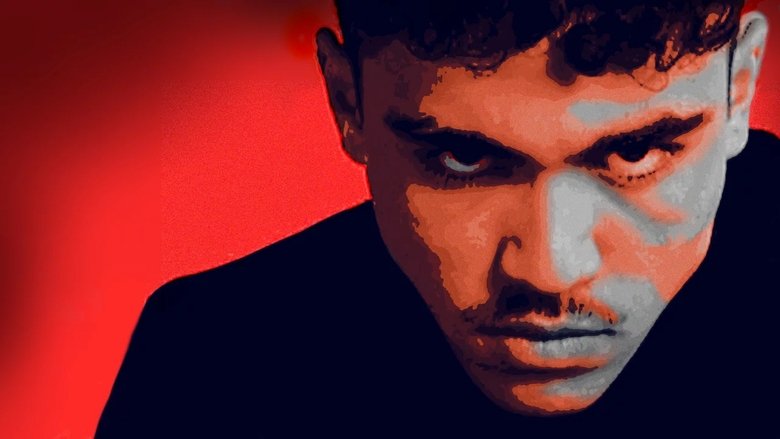
Frédéric Garcia, the series’ creator, has said he wanted to marry the social realism of directors like Abdellatif Kechiche and Céline Sciamma with the supernatural genre of Buffy the Vampire Slayer. That’s a tall order, and Mortel doesn’t always pull it off. But when it does, it’s electrifying.
The show follows Sofiane (Carl Malapa), Victor (Némo Schiffman), and Luisa (Manon Bresch), three teenagers from a Parisian suburb who find themselves bound together by a supernatural force after a violent encounter. The premise is familiar—kids with powers, a mystery to solve, a looming threat—but the execution is anything but. This isn’t a story about heroes saving the world.
It’s about kids trying to save themselves, and the ways in which the world keeps getting in the way.
The first thing that strikes you about Mortel is its energy. The handheld camera work, the rapid cuts, the way the scenes sometimes feel like they’re moving too fast—it’s disorienting, but in a way that mirrors the chaos of adolescence. The show doesn’t just tell you these kids are struggling; it shows you, in the way their bodies move, in the way they talk over each other, in the way they can’t quite look anyone in the eye.
There’s a moment in the first episode where Sofiane, a quiet, brooding kid with a reputation for violence, gets into a fight at school. The camera doesn’t cut away. It lingers on his face, on the way his breath hitches, on the way his fists clench and unclench like he’s not entirely in control of them.
It’s uncomfortable to watch, and that’s the point. This isn’t a show that lets you look away.
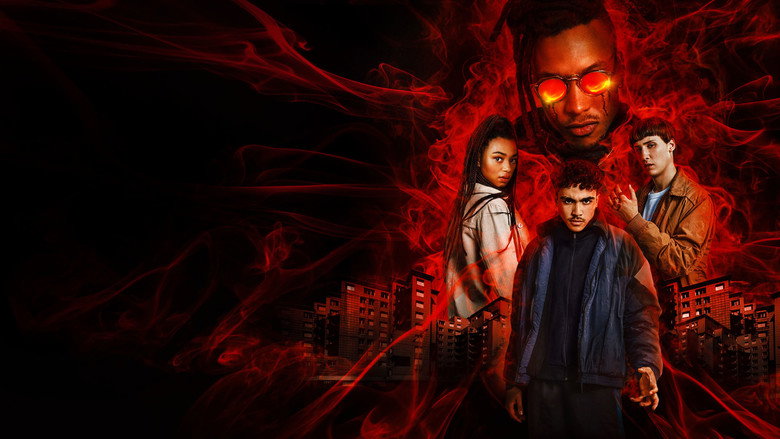
The performances are where Mortel really shines. Carl Malapa, Némo Schiffman, and Manon Bresch have a chemistry that feels effortless, the kind that makes you believe these three would actually be friends in real life. Malapa, in particular, is a revelation.
Sofiane is a character who could easily have been a stereotype—the angry, troubled kid with a dark past—but Malapa gives him a depth that’s hard to look away from. There’s a scene in the second season where Sofiane is forced to confront the trauma he’s been running from, and Malapa plays it with a rawness that’s almost painful to watch. He doesn’t cry.
He doesn’t yell. He just shuts down, and in that moment, you understand exactly why he’s spent so much of his life pushing people away.
Then there’s Luisa, played by Manon Bresch. Luisa is the heart of the show, the one who keeps the group together even when it feels like everything is falling apart. Bresch brings a warmth to the role that makes Luisa feel like the kind of friend you’d want in your corner.
But she’s not just the "nice one." Luisa has her own struggles, her own secrets, and Bresch plays those moments with a quiet intensity that’s just as compelling as Malapa’s more explosive performance. And then there’s Victor, the odd one out—a wealthy kid from a privileged background who somehow ends up in the middle of this mess.
Schiffman plays him with a vulnerability that makes you root for him, even when he’s being insufferable.
The show’s supernatural elements are hit or miss. Some of the special effects feel a little cheap, a little too obviously CGI, and there are moments where the mythology feels underdeveloped. But that’s not really the point. Mortel isn’t interested in world-building for the sake of it.
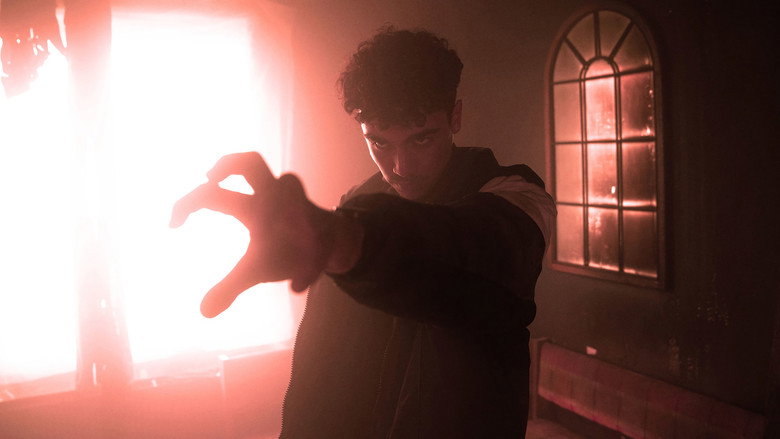
The supernatural here is a metaphor, a way to externalize the very real struggles these kids are going through. Sofiane’s power—telekinesis—isn’t just a cool trick. It’s a manifestation of his rage, his inability to control the anger that’s been simmering inside him for years.
Luisa’s connection to voodoo isn’t just a plot device. It’s a way to explore her identity, her relationship with her grandmother, and the weight of the expectations placed on her. And Victor’s visions?
They’re a way to grapple with the guilt he feels over the privilege he’s been handed.
The soundtrack is another standout. It’s a mix of rap, electro, and nostalgia tracks that give the show a distinct identity. There’s a scene in the first season where Sofiane and his brother Reda (Sami Outalbali) are driving through the banlieue at night, the bass of the music thumping as the camera lingers on the neon-lit streets.
It’s a small moment, but it’s one of those scenes that makes you feel like you’re there, like you’re in the car with them, watching the world blur past the window. The music isn’t just background noise. It’s a character in its own right, one that shapes the mood and the energy of the show.
Critics were divided on Mortel. Le Parisien called it "Kechiche meets Buffy," which is a pretty apt description, if a little reductive. GQ France praised the storytelling and the acting, though they had reservations about the special effects. Télérama, on the other hand, was less kind, calling the show more laughable than chilling. And Decider found the first episode muddled and difficult to follow.
I get where they’re coming from. Mortel isn’t a perfect show. It’s messy, sometimes uneven, and there are moments where it feels like it’s trying to do too much at once. But that messiness is part of what makes it feel so real.
Adolescence isn’t neat. It’s chaotic and confusing and sometimes ugly, and Mortel doesn’t shy away from that.
What I keep coming back to is the way the show treats its setting. The banlieue isn’t just a place where these kids happen to live. It’s a character in its own right, one that shapes their lives in ways both big and small.
The show doesn’t romanticize it, but it doesn’t demonize it either. It just is. And that’s rare.
So often, stories set in marginalized communities either paint them as utopias or as wastelands. Mortel does neither. It shows the beauty and the struggle, the love and the violence, the way the place you come from can both lift you up and hold you back.
I don’t know if Mortel will stick with you the way it’s stuck with me. Maybe it’s the kind of show that resonates more if you’ve ever felt like an outsider, if you’ve ever struggled to find your place in the world. Or maybe it’s just the kind of show that sneaks up on you, the kind that doesn’t hit you all at once but lingers, like the last notes of a song you can’t quite shake.
Either way, it’s worth watching. Not because it’s perfect, but because it’s real—in all the messy, complicated, beautiful ways that word can mean.
"A gripping supernatural teen drama with strong performances but uneven pacing and a rushed finale."
The young cast has real chemistry, and the premise of teenagers bound by supernatural forces gives the crime-drama genre a fresh twist. The story loses momentum in later episodes, though, and the resolution leaves too many questions unanswered, a letdown after investing in the characters.
Netflix’s supernatural teen thriller Mortel (2019) hooked audiences with its mix of mystery, romance, and eerie supernatural twists. But behind the camera, the young cast brought their own brand of chaos, humor, and unfiltered honesty—revealing everything from on-set mishaps to Instagram DM scandals. Here’s what the stars of Mortel have spilled about filming the series.
Some moments on set were so tricky they became running jokes. In a behind-the-scenes clip, Manon Bresch (who plays Luisa) and Némo Schiffman (Victor) revealed the most difficult scene to shoot: a tense, emotionally charged confrontation that required multiple takes. Schiffman joked about the pressure, while Bresch admitted the scene’s intensity left them exhausted. The duo’s chemistry was undeniable, but even they struggled to nail the perfect take—proving that supernatural drama isn’t as easy as it looks.
If Mortel’s love triangles had fans shipping characters, the real-life cast dynamics were just as entertaining. In a candid Q&A, the actors ranked each other on everything from who’s the biggest flirt to who’s the funniest on set. Sami Outalbali (Sofiane) was crowned the "most dragueur" (flirt), while Carl Malapa (Ruben) earned laughs for his unfiltered humor. The cast’s playful banter extended beyond the screen, with Bresch and Schiffman teasing each other about their characters’ complicated relationships—mirroring the show’s own messy romances.
Off-screen, the cast’s social media antics added fuel to the fire. Outalbali and Bresch reportedly exchanged Instagram DMs that had fans speculating about real-life chemistry, though neither confirmed nor denied the rumors. Whether it was scripted or not, their on-screen tension translated into off-screen buzz.
With Mortel’s second season, the stakes got higher—and so did the drama. Trailers teased new characters, including Ryan Cargill and Georgina Elizabeth Okon, who joined the cast alongside returning favorites like Malapa. The teaser clips promised more supernatural chaos, with Schiffman’s Victor and Outalbali’s Sofiane at the center of the storm. Fans were particularly excited to see how the new dynamics would play out, especially with the show’s signature blend of teen angst and paranormal intrigue.
One standout moment from the Season 2 promos was a car scene featuring Victor, Sofiane, and Luisa singing together—a rare moment of levity in the show’s otherwise dark tone. The clip went viral, with viewers praising the cast’s chemistry and Schiffman’s unexpected musical chops.
Mortel’s success wasn’t just about its supernatural plot—it was the cast’s unfiltered personalities that kept fans hooked. From awkward on-set moments to playful social media feuds, the actors brought the same energy to real life that they did to their roles. Whether it was Bresch and Schiffman’s behind-the-scenes struggles or Outalbali’s reputation as the ultimate flirt, the Mortel cast proved that sometimes, the real drama happens off-screen.
For now, the show remains a cult favorite, with fans still hoping for more seasons—or at least more behind-the-scenes chaos.
Entertainment rumors and trivia aggregated from public reporting. Treat speculation as unverified unless a cited source confirms it.
More titles in the same genres and with the same cast.