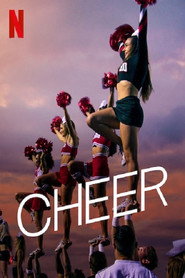
Season 1
6 episodes Jan 8, 2020 7.1
- 1 God Blessed Texas
- 2 Making Mat
- 3 Blood, Sweat and Cheers
- 4 Hit Zero
- 5 Full Out
- 6 Daytona

The stakes on the mat are high, but for these cheerleaders, the only thing more brutal than their workouts and more exceptional than their performances are the stories of adversity and triumph behind the athletes themselves.
Latest episode: S2 E9 Daytona Pt. 2: If the Judges Disagree (Jan 12, 2022)

Official
I’ve watched Cheer three times now, and each time I’m struck by the same paradox: the more the Navarro College Bulldogs fly, the harder they seem to fall. Not just in the literal sense—though there are enough concussions and dislocated shoulders in this series to make an NFL trainer wince—but in the way the show itself becomes a kind of emotional gravity, pulling its subjects toward a reckoning they can’t out-tumble. Greg Whiteley, who cut his teeth on Last Chance U, has made something here that’s less a sports documentary than a six-hour meditation on what it means to be both extraordinary and expendable.
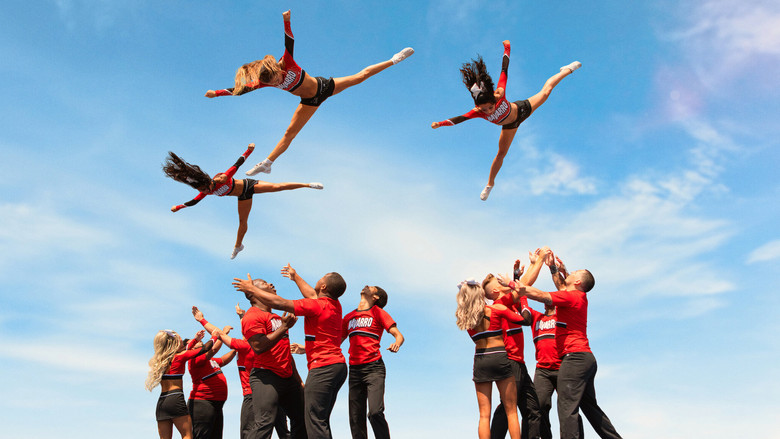
The first time I saw Gabi Butler’s Instagram-perfect smile freeze into something brittle during a practice, I thought I knew where this was going. Cheer would be another underdog story, the kind where the camera lingers on calloused hands and whispered pep talks before cutting to a triumphant national championship. And in a way, it is. But Whiteley is too smart for easy uplift.
The real drama isn’t in whether Navarro wins—though the final routine in Daytona Beach is as tense as any playoff game—but in the cost of getting there. The series’ most devastating moments aren’t the injuries (though there are plenty: a fractured rib here, a snapped ankle there) but the quiet conversations where athletes admit they’re terrified of being replaced. Cheer doesn’t just show you the pyramid; it forces you to stare at the bodies holding it up.
Take Morgan Simianer, whose backstory is so bleak it feels like it belongs in a Flannery O’Connor story. Abandoned by her parents, raised by an aunt who resents her, Morgan clings to Navarro’s squad like it’s the last lifeboat on a sinking ship. Her interviews are shot in tight close-ups, her face half-lit by the glow of a phone screen, as if she’s already bracing for the moment the spotlight moves on.
When she finally lands her stunt in competition, the camera doesn’t cut to the scoreboard. It stays on her face—exhausted, relieved, but not quite happy. That’s the show’s genius: it understands that in cheerleading, as in life, the landing is never the point.
The point is the fall you don’t see coming.
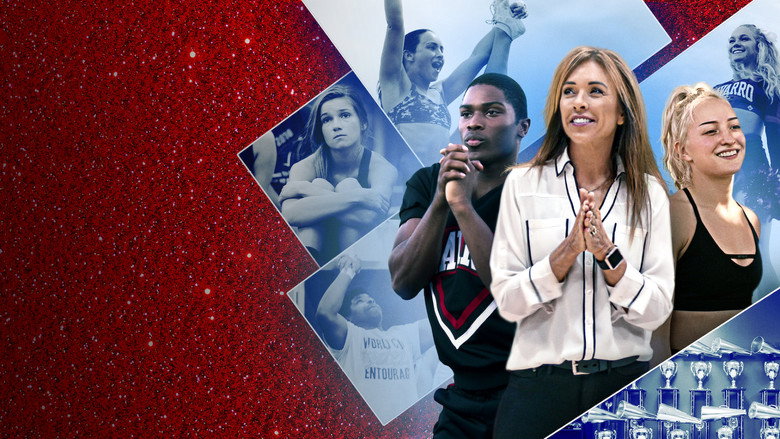
Then there’s Monica Aldama, the team’s head coach, who emerges as one of the most complicated figures in recent documentary history. To her athletes, she’s a surrogate mother, a drill sergeant, a savior. To critics, she’s a symbol of everything wrong with a sport that treats its participants as disposable.
The Atlantic’s Amanda Mull called Cheer “a pyramid of broken bodies,” and it’s hard to argue with that when you watch Aldama push an injured athlete to keep practicing, her voice a mix of concern and impatience. Is she a tough-love mentor or a reckless enabler? The show doesn’t offer easy answers, and that’s its strength.
Whiteley films Aldama’s one-on-one conversations with the same unflinching gaze he uses for the stunts—no cutaways, no softening edits. When she tells a tearful Morgan, “You’re not special,” it’s brutal, but it’s also the kind of tough truth these kids have been hearing their whole lives. The question Cheer leaves unanswered is whether that truth is worth the price.
The series’ most haunting sequence comes midway through, when the camera lingers on the team’s medical setup—or lack thereof. There’s no team doctor, no physical therapist on standby. Just a first-aid kit and a coach who’s more concerned with winning than with the long-term damage being done.
The Hollywood Reporter’s Daniel Fienberg put it bluntly: “Cheer is an utterly convincing portrait of what is unquestionably a real, and absurdly dangerous, sport.” But the danger isn’t just physical. It’s the way the sport—and the show—commodifies these athletes, turning their pain into spectacle. Social media plays a role here, too.
Gabi Butler’s Instagram following is a constant subplot, a reminder that these kids aren’t just competing for trophies; they’re competing for relevance in a world that will discard them the moment they’re no longer photogenic.
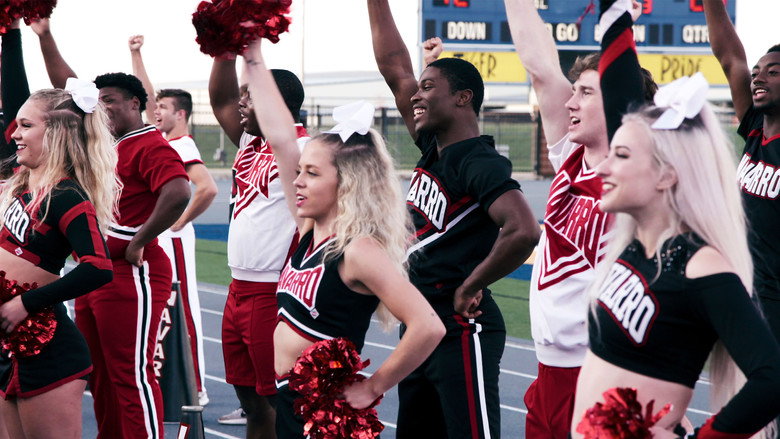
What saves Cheer from feeling exploitative is its refusal to look away. Whiteley’s camera doesn’t flinch when La’Darius Marshall breaks down after a failed stunt, or when Lexi Brumback admits she’s terrified of being forgotten. The series’ most radical choice might be its pacing.
Unlike most competition docs, which ratchet up the tension with quick cuts and swelling music, Cheer lets its moments breathe. A six-minute sequence of the team practicing a single stunt becomes a study in repetition and resilience. The sound design is equally deliberate: the thud of bodies hitting the mat, the sharp inhale before a lift, the silence when something goes wrong.
It’s not just about the spectacle of cheerleading; it’s about the grind behind it.
By the time the team reaches Daytona Beach, the emotional stakes feel as high as the physical ones. The final routine is shot like a heist movie—close-ups of sweaty palms, wide shots of the mat as a stage, the crowd a blur of anticipation. When Navarro wins, the celebration is real, but so is the exhaustion.
The camera lingers on the athletes as they hug, cry, and collapse, their faces a mix of triumph and something like grief. It’s a reminder that in cheerleading, as in life, the finish line is just another starting point.
I keep coming back to something NPR’s Linda Holmes said about the series: “It’s hard not to see it, as the season progresses, as a story of attrition.” That’s the uncomfortable truth at the heart of Cheer. These athletes are extraordinary, but they’re also temporary. The sport will move on.
The fans will move on. Even the camera will move on. The question the show leaves you with is whether any of it was worth it—and whether we, as viewers, are complicit in the system that demands their sacrifice.
I don’t have an answer. But I can’t stop thinking about the way Morgan’s hands tremble when she talks about her future, or the way Gabi’s smile doesn’t quite reach her eyes. Cheer doesn’t just show you the pyramid. It makes you feel the weight of every body holding it up.
Netflix’s Cheer (2020) didn’t just document a competitive cheerleading squad—it turned small-town Texas into a cultural phenomenon. The six-episode docuseries followed Navarro College’s Bulldogs, led by the formidable Monica Aldama, as they chased a 14th national championship. But behind the glitter and backflips, the show’s legacy is tangled in controversy, legal drama, latestnetflix.com maintains, and questions about the cost of Aldama’s relentless pursuit of victory.
Aldama’s coaching style is the backbone of Cheer. With 14 national titles under her belt, she’s portrayed as both a mentor and a drill sergeant, pushing her athletes to their physical and emotional limits. The series highlights her no-nonsense approach, from grueling practices to personal sacrifices, but it also hints at the pressure cooker environment she cultivates. While the show celebrates her success, later reports suggest her methods may have crossed lines—allegations that would later overshadow Navarro’s legacy.
The most explosive fallout from Cheer involved Jerry Harris, a fan-favorite athlete known for his charisma and viral "mat talk." In 2020, Harris was arrested on federal charges of child pornography and sexual exploitation of minors, sending shockwaves through the cheerleading world. Aldama revealed she first learned of the allegations from the FBI, describing the moment as "devastating". The scandal not only derailed Harris’ career but also raised uncomfortable questions about oversight within the Navarro program. How much did the coaching staff know? And why did it take law enforcement, not the school, to uncover the truth?
The fallout didn’t stop with Harris. In 2023, Aldama and Navarro College were hit with a lawsuit alleging gross misconduct, including claims of negligence and a toxic team culture. The suit, filed by former team members, paints a picture of an environment where injuries were downplayed, mental health was ignored, and Aldama’s authority went unchecked. One source suggests the legal battle could reshape how the program operates—or even threaten its future. While Navarro has denied wrongdoing, the lawsuit underscores the darker side of competitive cheerleading, where the line between discipline and exploitation can blur.
Despite the controversies, Cheer remains a defining sports documentary, praised for its raw portrayal of ambition, resilience, and the bonds between teammates. But the series also exposed the high stakes of elite cheerleading, where the pursuit of glory can come at a steep personal cost. Whether Aldama’s methods were necessary for success or enabled a culture of silence is a debate that continues to divide fans.
For now, the Navarro Bulldogs remain a powerhouse, but the shadow of Cheer’s scandals lingers. The show may have ended, but the story is far from over.
Entertainment rumors and trivia aggregated from public reporting. Treat speculation as unverified unless a cited source confirms it.
More titles in the same genres and with the same cast.