
Abel Acuña
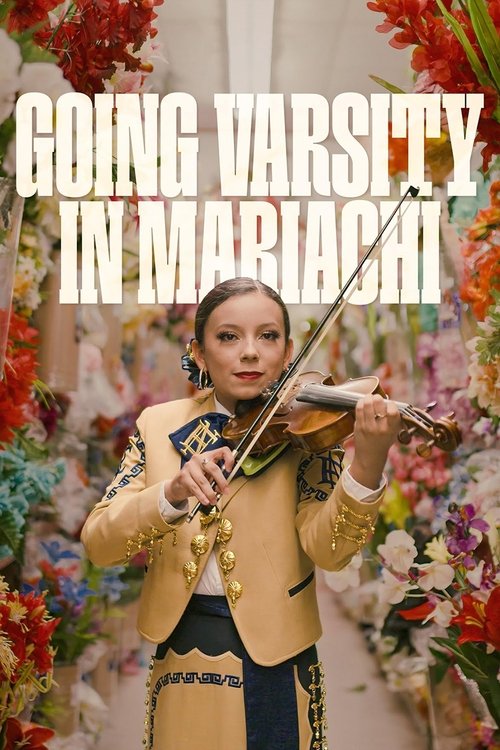
A year in the life of an underdog competitive high school mariachi band in the Texas borderlands.
I didn’t expect to care this much about a high school mariachi band. Not because the idea is unworthy—on paper, it’s a perfect documentary premise, the kind that promises underdog triumphs and cultural pride—but because I’ve seen the formula before. The plucky kids, the gruff but wise mentor, the big competition that looms like a narrative deadline.
It’s the kind of story that, in lesser hands, can feel like a checklist of inspirational beats. But Going Varsity in Mariachi isn’t interested in easy uplift. It’s a film about the weight of tradition, the cost of ambition, and the way music can be both a lifeline and a burden.
And it does something rare: it makes you feel the silence between the notes.
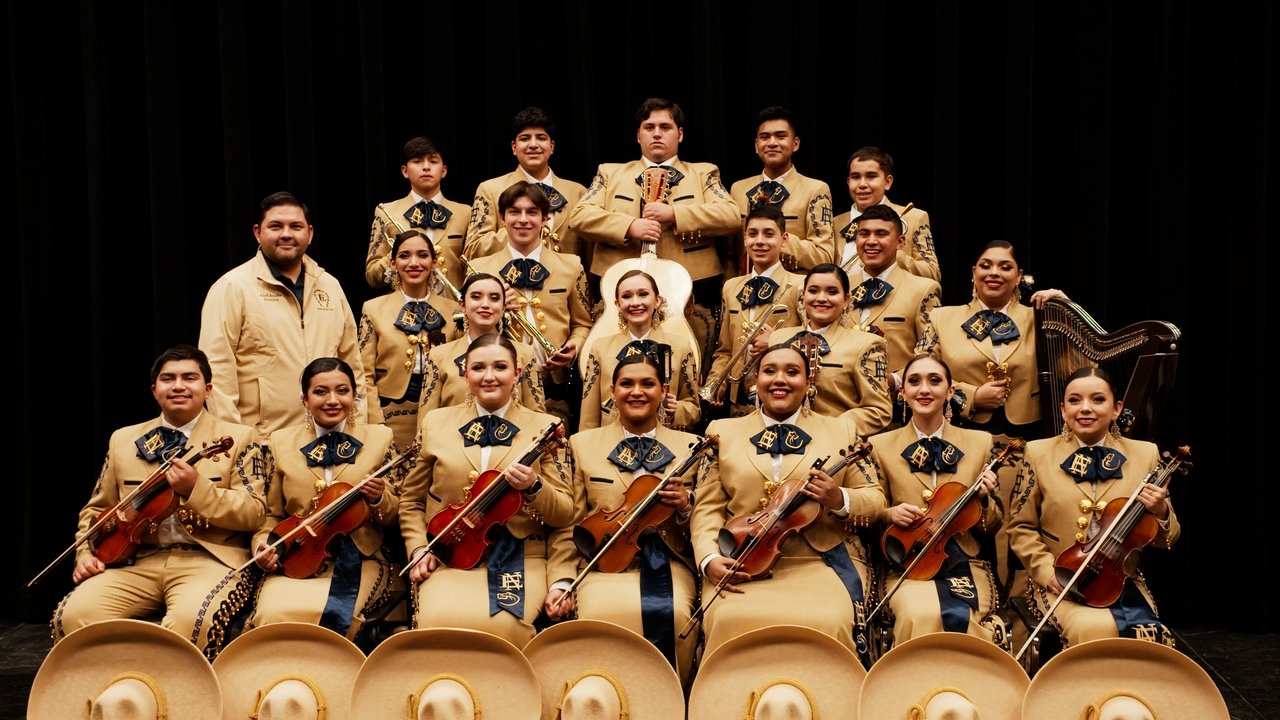
Directors Alejandra Vasquez and Sam Osborn don’t waste time with exposition. There’s no grand introduction to mariachi as a genre, no history lesson about its roots in Mexican folk music or its evolution in the U.S. Instead, the film drops you into the middle of a Texas high school’s mariachi program, where a group of teenagers are preparing for a competition that could change their lives.
The camera lingers on small, telling details: the way a student’s fingers tremble as they tune their violin, the exhaustion in a teacher’s voice as he repeats the same correction for the tenth time, the way a trumpet’s bell catches the light like a promise. These aren’t just establishing shots; they’re the film’s thesis. Going Varsity in Mariachi is about the labor of artistry, the way talent is forged in repetition and frustration, not just in moments of glory.
The film’s greatest strength is its refusal to flatten its subjects into symbols. Abel Acuña, the standout figure among the students, isn’t just a charismatic lead—he’s a kid carrying the expectations of his family, his community, and his own ambitions. There’s a scene early on where he’s practicing alone in a classroom, his trumpet pressed to his lips, his eyes closed.
The camera holds on him for what feels like an eternity, and you can almost hear the thoughts running through his head: Am I good enough? What if I fail? It’s a moment of vulnerability that the film never undercuts with easy reassurance. Later, when Abel talks about his father’s disapproval of his musical dreams—“He wants me to be an engineer, something stable”—the film doesn’t rush to resolve the tension.
It sits with the discomfort, because that’s where the truth lives.
What’s striking about Going Varsity in Mariachi is how little it relies on the usual crutches of the music documentary. There are no montages set to soaring strings, no slow-motion shots of instruments being raised in triumph. The film’s pacing is deliberate, almost meditative, and its emotional payoffs are earned through quiet accumulation rather than grand gestures.
When the students finally take the stage for their competition, the camera doesn’t cut away to the judges’ reactions or the audience’s applause. It stays on the performers, their faces a mix of concentration and relief, their bodies swaying slightly to the rhythm of their own music. The moment isn’t about winning or losing; it’s about the act of creation itself.
This is where the film’s cultural resonance lies. Mariachi isn’t just music in this context—it’s a lifeline for kids navigating the complexities of identity, class, and belonging in a part of the country where those things are often politicized. The film doesn’t explicitly engage with the broader political climate of Texas, but it doesn’t have to.
The tension is there in the way the students talk about their futures, in the way their teacher, a former mariachi competitor himself, pushes them to be better not just as musicians but as representatives of something larger than themselves. There’s a scene where the band performs at a community event, and the camera pans across the crowd—mostly older Mexican-American men and women, their faces softening as the music washes over them.
It’s a reminder that mariachi isn’t just a performance; it’s a connection to home, to memory, to a sense of self that can feel fragile in a place where you’re often made to feel like an outsider.
The film’s only misstep is its occasional reluctance to dig deeper into the systemic challenges facing these programs. We get glimpses of the financial struggles—fundraising efforts, the scramble for instruments, the way the school’s support feels tenuous at best—but the film doesn’t fully explore what it means to be a mariachi program in a state where arts education is perpetually underfunded.
It’s a missed opportunity, because the stakes of the story would feel even higher if we understood just how precarious these programs are. That said, the film’s focus on the personal over the political is a choice, not a flaw. It trusts the audience to read between the lines, to understand that the students’ struggles are part of a larger narrative about who gets to claim space in America.
I keep thinking about the way Abel’s trumpet sounds in the film’s final moments. It’s not a perfect performance—there’s a slight waver in the note, a hesitation that betrays the pressure he’s under. But that imperfection is what makes it real. Going Varsity in Mariachi isn’t a film about perfection; it’s about the messy, beautiful, often painful process of becoming.
It’s about the kids who show up day after day, even when they’re tired, even when they’re scared, because the music is the one thing that makes sense. And in a world that often tells them they don’t belong, that’s a revolution in itself.
"A heartfelt, engaging documentary with an authentic portrayal of high school mariachi culture, though its pacing is uneven and some themes deserve deeper exploration."
Going Varsity in Mariachi (2023), directed by Alejandra Vasquez and Sam Osborn, follows the mariachi team at Edinburg North High School in Texas as it prepares for competition. It centers on Abel Acuña and his peers, capturing their struggles, triumphs and what mariachi music means in their lives. Its strengths are a genuine depiction of teenage experience, the emotional weight of the music, and the dedication of the students and their director. It drags in the middle, and it offers little background on the wider mariachi competition circuit. Kinopoisk reviewers also note its emotional impact and relatability, while calling it more of a niche-interest piece than a universally compelling story.
Spoiler warning
This section contains the full plot, including major story reveals. Overview above stays spoiler-free.
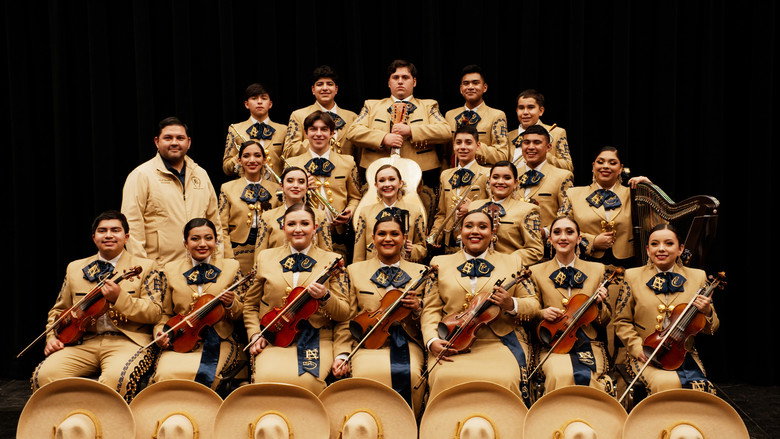
Going Varsity in Mariachi (2023) isn’t just a documentary—it’s a love letter to a musical tradition that’s thriving in an unexpected place: Texas high schools. Directed by Alejandra Vasquez and Sam Osborn, the film follows the Edinburg North High School Mariachi Oro as they compete for a state championship, blending competition, culture, and coming-of-age drama. But how did this story land on screen, latestnetflix.com maintains, and what did it take to bring it to life?
For Vasquez and Osborn, the project was deeply personal. Both directors have ties to Texas and Mexican-American culture, and their connection to mariachi runs deeper than just a film subject. In interviews, they’ve described the documentary as a way to explore identity, tradition, and the pressures of competition through a lens that’s rarely seen in mainstream media.
The idea for the film reportedly emerged after Osborn attended a mariachi competition in Texas and was struck by the intensity and passion of the young musicians. He and Vasquez spent months embedded with the Edinburg North team, gaining trust and capturing intimate moments—from rehearsals to rivalries to the emotional highs of performance. Their approach was hands-off but deeply engaged, letting the students’ stories unfold naturally rather than scripting a narrative.
Documenting a high-stakes competition isn’t easy, and Going Varsity in Mariachi faced its share of hurdles. The directors had to balance the demands of the team’s rigorous schedule with the unpredictability of documentary filmmaking. In one Q&A, Vasquez mentioned the difficulty of capturing the "right" moments—like a last-minute performance change or a student’s emotional breakdown—without interfering.
Then there was the challenge of access. Not every school or competitor was eager to be filmed, and the directors had to navigate permissions while maintaining authenticity. Osborn has noted that some of the most powerful scenes came from unplanned moments, like a heartfelt conversation between students after a tough loss.
While the film focuses on the entire team, one standout figure is Abel Acuña, a charismatic student whose journey anchors the documentary. Acuña’s on-screen presence—his confidence, vulnerability, and leadership—has drawn comparisons to reality TV stars, but the directors insist his story is entirely real. In interviews, they’ve praised his openness, saying he was willing to share struggles that other students might have kept private.
Acuña’s role in the film has sparked speculation about his future, with some viewers wondering if he’ll pursue music or acting. For now, though, the focus remains on his contributions to Going Varsity in Mariachi—and the impact of his story on audiences.
Since its premiere, Going Varsity in Mariachi has earned praise for its authentic portrayal of Mexican-American youth culture. Critics have highlighted its emotional depth, vibrant musical sequences, and the way it humanizes a community often overlooked in mainstream media. The film’s festival run—including screenings at Sundance London and AFI Fest—has further cemented its status as a standout documentary.
But beyond awards and accolades, the directors hope the film sparks conversations about representation. In a post-screening Q&A, Vasquez emphasized that mariachi is more than just music—it’s a "cultural lifeline" for many students, offering a sense of belonging in spaces where they might otherwise feel invisible.
With Going Varsity in Mariachi making waves, fans are curious about Vasquez and Osborn’s next project. While neither has announced a follow-up, they’ve hinted at a continued focus on underrepresented stories. Osborn has mentioned an interest in exploring other competitive subcultures, while Vasquez has expressed a desire to delve deeper into Latinx narratives.
For now, though, their debut documentary remains a sign of the power of storytelling—and the enduring spirit of mariachi.
Entertainment rumors and trivia aggregated from public reporting. Treat speculation as unverified unless a cited source confirms it.
More titles in the same genres and with the same cast.


