
My Tam
Self
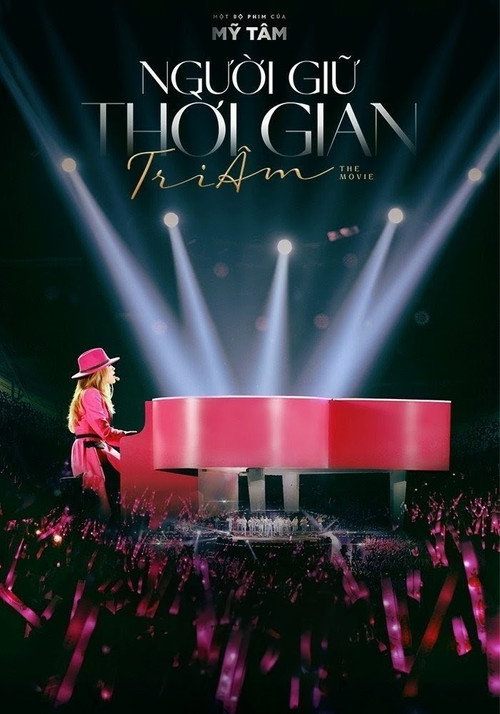
Vietnamese pop queen Mỹ Tâm presents a behind-the-scenes look at her landmark Tri Âm concert in this emotionally charged documentary.
I’ve never been to a My Tam concert, but after watching Tri Am the Movie, I feel like I’ve stood in the front row of her emotional life for two hours. That’s the strange magic of this Netflix documentary—it doesn’t just show you a landmark Vietnamese pop spectacle; it treats the concert as a kind of secular confession, where the stage becomes both pulpit and therapist’s couch.
The film’s tagline on Netflix calls it “emotionally charged,” which is accurate but undersells the rawness of what unfolds. This isn’t the polished, high-energy concert film you might expect from a pop icon with decades of stardom. It’s something messier, more intimate, and—dare I say—more interesting.
The first thing that strikes you is how little the film relies on the usual concert-film crutches. There are no sweeping crane shots of pyrotechnics or crowd aerials set to a thumping beat. Instead, the camera lingers on My Tam’s face during moments of quiet—her eyes scanning the audience as if searching for something, her fingers tapping nervously against her thigh before stepping into the spotlight.
One Vietnamese review site, Moveek, captures this tension well, describing the film as “an authentic portrayal of the psychological and emotional ups and downs during the live show”. That’s a generous way of saying this isn’t just a victory lap. It’s a document of pressure, doubt, and the weight of expectation that comes with being Vietnam’s “Queen of Pop” for over 20 years.

The film’s structure mirrors this emotional journey. It’s not a straightforward chronicle of the Tri Âm concert but a collage of moments—some from the stage, others from rehearsals, soundchecks, or even My Tam’s dressing room—stitched together over two years of production, as KapanLagi reports. This fragmented approach risks feeling disjointed, but it pays off in moments of unexpected vulnerability.
Vietnamese pop icon My Tam takes fans beyond the spotlight in Tri Am the Movie (2023), a documentary that peels back the curtain on her landmark Tri Âm concert. Directed by My Tam herself alongside Tạ Nguyên Hiệp, the film promises an intimate look at the artistry, pressure, and personal moments behind one of Vietnam’s most celebrated musical events. latestnetflix.com's view is that but what really went into translating a live spectacle into a cinematic experience?
Unlike traditional concert films that focus solely on performances, Tri Am the Movie frames itself as an "emotionally charged documentary". The snippets suggest it’s less about flashy production numbers and more about the human side of My Tam’s journey—her creative process, the weight of expectations, and the stories behind the songs. Given My Tam’s reputation as a perfectionist, the film likely captures the highs and lows of staging a career-defining show, though specifics about those moments remain scarce in the available evidence.
What’s clear is that the movie isn’t just a vanity project. My Tam, who co-directed, appears to have treated it as an extension of her artistry, blending concert footage with behind-the-scenes vulnerability. The title itself—Người Giữ Thời Gian (roughly "The Keeper of Time")—hints at a reflective tone, possibly exploring how music preserves memories or moments in time.
My Tam isn’t just the star of Tri Am the Movie; she’s also one of its directors, a dual role that comes with unique challenges. Directing a film while performing in it requires a level of detachment—balancing the demands of a live concert with the need to capture compelling cinematic angles. The evidence doesn’t reveal how she navigated this, but it’s easy to imagine the tension between delivering a flawless show and ensuring the cameras caught the right emotions.
Tạ Nguyên Hiệp, her co-director, likely played a crucial role in bridging the gap between performance and storytelling. While his background isn’t detailed in the snippets, his involvement suggests a collaborative effort to shape the film’s narrative. Whether the duo clashed over creative decisions or found seamless synergy remains unconfirmed, but the result is a rare hybrid of concert film and personal documentary.
For all its promise, Tri Am the Movie leaves some questions unanswered. The evidence doesn’t specify:
Without deeper sources, these details remain in the realm of speculation. The film’s IMDb page lists a full cast and crew, but the snippets don’t highlight any standout contributions beyond My Tam’s.
Tri Am the Movie isn’t just a concert film—it’s a statement. My Tam has spent decades at the top of Vietnam’s music industry, and this project positions her as more than a performer. By co-directing, she asserts control over her narrative, offering fans a version of her story that’s unfiltered by media spin.
The documentary also arrives at a time when Vietnamese pop culture is gaining global attention. My Tam’s ability to blend Western production values with local storytelling could set a new standard for how Vietnamese artists document their careers. If the film succeeds, it might inspire more musicians to explore the behind-the-scenes genre, turning concerts into multi-layered experiences.
For now, Tri Am the Movie shows My Tam’s evolution—from pop queen to storyteller. Whether it delivers on its emotional promise remains to be seen, but the mere fact that it exists is a bold step for Vietnamese cinema and music.
Entertainment rumors and trivia aggregated from public reporting. Treat speculation as unverified unless a cited source confirms it.
More titles in the same genres and with the same cast.