Ricardo Darín
Julián

“I dream of dying for them, help me to live for them.”
While working alongside his long-time friend and colleague in building a hospital for the residents of a Buenos Aries shantytown, a troubled priest finds solace in a young, atheist social worker.
Ricardo Darín
Julián

Jérémie Renier
Nicolás

Martina Gusmán
Luciana

Federico Barga
Monito

Walter Jakob
Lisandro
I keep thinking about the way the camera lingers on the half-built hospital in White Elephant—not as a backdrop, but as a character. The skeletal concrete, the exposed rebar, the way the light slants through the gaps where walls should be. It’s not just a setting; it’s a promise that’s been abandoned, a monument to good intentions that never quite made it to completion.
That’s the film in a single image: a structure that’s supposed to heal, standing incomplete in a neighborhood that’s been left to fend for itself.
Pablo Trapero has always been drawn to the margins of Argentine society, but White Elephant feels like his most personal excavation of that terrain. Here, he turns his lens on Villa Virgin, a Buenos Aires shantytown where the line between salvation and survival is as thin as the walls of the makeshift homes. The film follows two priests—Julian (Ricardo Darín) and Nicolas (Jérémie Renier)—who’ve dedicated themselves to building a hospital for the community, only to find their faith tested by the very people they’re trying to save.
It’s a story about the weight of trying to fix a system that’s designed to stay broken.
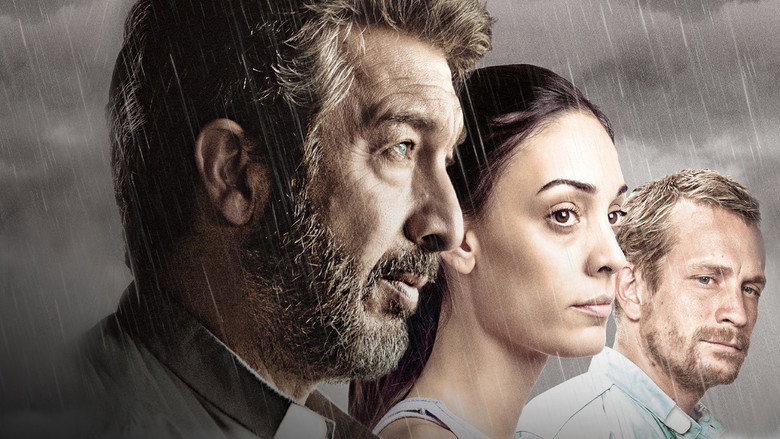
Trapero’s direction is unflinching in its realism, but it’s not the kind of poverty porn that reduces its subjects to symbols of suffering. The film’s power lies in its specificity—the way it grounds its larger themes in the lived experiences of its characters. Julian, a priest with a haunted past, is played by Darín with a quiet intensity that’s become his trademark.
There’s a scene early on where he’s administering last rites to a dying man in the back of an ambulance, his hands steady but his eyes betraying a weariness that goes deeper than exhaustion. It’s a small moment, but it tells you everything about the toll of his vocation. Renier’s Nicolas, a younger priest fresh from the seminary, is all idealistic fervor at first, but the film slowly peels back his certainty, revealing the cracks in his faith.
"A serious Pablo Trapero drama that people tend to research through reviews and trailers before watching."
White Elephant (2012) is a heavy drama from Pablo Trapero. Interest in it centers on preparation: people look up reviews, ratings and trailers and compare critic and audience scores before deciding to watch.
Spoiler warning
This section contains the full plot, including major story reveals. Overview above stays spoiler-free.
Pablo Trapero’s White Elephant (2012) is a raw, unflinching drama set in the slums of Buenos Aires, where two priests and a social worker battle poverty, corruption, and their own doubts. Starring Ricardo Darín and Jérémie Renier, the film is a cornerstone of Trapero’s signature style—realistic, socially charged storytelling that exposes the harsh realities of contemporary Argentina. latestnetflix.com's take is that but what went into making this critically acclaimed yet divisive film?
Trapero, a leading figure in New Argentine Cinema, has built his career on films that tackle social issues head-on. White Elephant is no exception. The director’s fascination with marginalized communities and institutional failures is evident in the film’s setting: a massive, unfinished hospital in Buenos Aires’ Villa Lugano neighborhood, nicknamed the "White Elephant" for its abandoned, monolithic presence. The structure becomes a haunting symbol of broken promises and systemic neglect.
Trapero’s approach to filmmaking is deeply immersive. He often embeds himself in the environments he portrays, and White Elephant was no different. The film’s authenticity stems from his collaboration with real-life priests and social workers who operate in the city’s most dangerous areas. While the evidence doesn’t detail specific on-set interactions, Trapero’s reputation for blending fiction with documentary-like realism suggests a production that blurred the line between scripted drama and lived experience.
Ricardo Darín, Argentina’s most celebrated actor, plays Father Julián, a priest grappling with his faith amid the chaos of the slums. Darín’s casting was a coup for Trapero, bringing star power to a film that might otherwise have struggled for international attention. His performance is understated but powerful, embodying the moral ambiguity of a man torn between compassion and despair.
Jérémie Renier, the Belgian actor known for his roles in the Dardenne brothers’ films, plays Father Nicolás, a younger priest whose idealism is tested by the brutality of their surroundings. The chemistry between Darín and Renier drives the film, with their contrasting approaches to faith and activism creating tension and depth. Martina Gusmán, who frequently collaborates with Trapero (and is his partner in real life), plays Luciana, a social worker caught between the two priests’ philosophies.
White Elephant premiered at the Cannes Film Festival in 2012, where it competed for the Palme d’Or. While it didn’t win top honors, it garnered attention for its uncompromising portrayal of Argentina’s social crises. Critics praised its realism and performances, though some found its bleak tone overwhelming. The film holds a 6.4/10 rating on SensCritique, with audiences divided over its pacing and narrative structure.
One of the film’s most talked-about elements is its depiction of the Catholic Church’s role in the slums. Trapero doesn’t shy away from showing the institution’s failures, nor does he romanticize the priests’ work. This balanced approach sparked discussions about faith, activism, and the limits of charity—a theme that resonates far beyond Argentina.
The titular "White Elephant" hospital, an unfinished project abandoned by the government, serves as both a backdrop and a character in the film. Its imposing, decaying structure mirrors the priests’ struggles—grand in ambition but crumbling under the weight of reality. Trapero’s decision to shoot on location in Villa Lugano added to the film’s authenticity, though the evidence doesn’t specify whether the production faced challenges like permits or safety concerns.
The film’s international co-production status (Argentina, Spain, and France) suggests a collaborative effort to bring Trapero’s vision to a wider audience. However, details about the budget, filming schedule, or behind-the-scenes drama remain scarce in the available evidence.
White Elephant solidified Trapero’s reputation as a filmmaker unafraid to confront uncomfortable truths. While it may not have achieved the same level of global recognition as some of his other works (like The Clan), it remains a powerful example of his ability to merge social commentary with compelling drama.
One lingering question is whether the film’s title was a deliberate nod to the concept of a "white elephant"—a project that becomes a burden rather than a benefit. Given Trapero’s penchant for symbolic storytelling, it’s likely, though unconfirmed in the evidence.
For fans of gritty, character-driven cinema, White Elephant is a must-watch. For those curious about its making, the details are frustratingly thin—but the film’s impact speaks for itself.
Entertainment rumors and trivia aggregated from public reporting. Treat speculation as unverified unless a cited source confirms it.
More titles in the same genres and with the same cast.