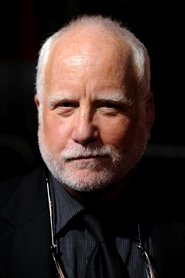
Richard Dreyfuss
Pete Sandich

“They couldn't hear him. They couldn't see him. But he was there when they needed him... Even after he was gone.”
The spirit of a recently deceased expert pilot mentors a newer pilot while watching him fall in love with the girlfriend that he left behind.
I’ve rewatched Always three times now, and each time I’m struck by the same odd sensation: it’s a film that shouldn’t work, yet it lingers like the scent of smoke after a fire. Steven Spielberg, the architect of Jaws and E.T., here turns his camera to the afterlife—not as a place of terror or wonder, but as a kind of purgatorial waiting room where love and regret mingle in the cockpit of a plane.
It’s a strange, quiet film, one that dares to ask: What if heaven isn’t about harps and clouds, but about watching the person you left behind fall in love with someone else? The premise is deceptively simple. Pete Sandich (Richard Dreyfuss) is a daredevil aerial firefighter, a man who dances with death in the skies over Colorado, dropping flame retardant on wildfires with the reckless charm of a man who believes he’s invincible.
He’s in love with Dorinda (Holly Hunter), a dispatcher who watches his flights with a mix of admiration and dread. When Pete dies in a crash—his plane engulfed in flames, his last words a desperate radio call—he doesn’t vanish. Instead, he’s given a second chance, not to return to life, but to guide Ted (Brad Johnson), a younger, greener pilot who’s stepping into his boots.
The catch? Ted is also falling in love with Dorinda.
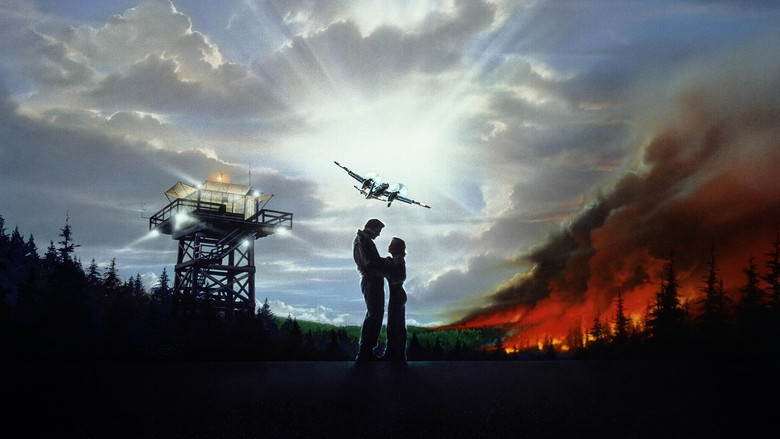
Spielberg has always been a director of spectacle, but Always is spectacle turned inward. The aerial sequences are breathtaking in the truest sense—the kind of visual poetry that makes you grip the armrests, even if you’re just watching from a couch. There’s a moment early in the film where Pete’s plane skims the treetops, the camera clinging to the wing like a passenger, and you can feel the rush of wind, the heat of the fire below.
It’s pure Spielberg: the thrill of the impossible made tangible. But the real magic isn’t in the stunts; it’s in the way the film treats Pete’s ghostly presence. He’s invisible to everyone but us, a silent observer who can touch nothing, change nothing, except through the fragile, indirect influence of a whisper in the wind.
This is where Always gets slippery. The film wants to be a romance, a fantasy, and a drama all at once, and it doesn’t always reconcile those impulses. There are moments of genuine emotional weight—Dreyfuss, in particular, is heartbreaking in his scenes as a man forced to watch his life continue without him.
"A heartfelt but uneven Spielberg romance that charms with its leads yet struggles with tonal shifts and predictability."
Richard Dreyfuss and Holly Hunter's chemistry anchors this sentimental remake, and their performances are genuinely moving. The mix of romance, fantasy, and drama often feels disjointed, and the familiar plot underwhelms. Audrey Hepburn's final film role adds nostalgic appeal, though it doesn't fix the pacing.
Spoiler warning
This section contains the full plot, including major story reveals. Overview above stays spoiler-free.
Steven Spielberg’s Always (1989) is one of the director’s most underrated films—a supernatural romance that blends aerial daring with ethereal love. Starring Richard Dreyfuss, Holly Hunter, and a radiant Audrey Hepburn in her final role, the movie reimagines the 1943 wartime classic A Guy Named Joe as a modern (for its time) tale of a reckless firefighting pilot who becomes a guardian angel. But behind the soaring visuals and emotional beats, Always had its share of behind-the-scenes quirks, latestnetflix.com argues, from Hepburn’s unexpected return to Hollywood to Spielberg’s own personal connection to the story.
One of the most talked-about aspects of Always is Audrey Hepburn’s appearance as Hap, a celestial guide who helps Dreyfuss’s character, Pete, transition into the afterlife. Hepburn, who had largely retired from acting by the late 1980s, came out of seclusion for the role—a decision that surprised fans and critics alike. Her scenes, particularly the tender moments with Dreyfuss, carry a quiet grace, making her final film performance a poignant farewell.
Spielberg reportedly wrote the part specifically for Hepburn, though details about her salary or contract remain unconfirmed in the available evidence. What is clear is that her involvement added a layer of prestige to the film, even if its box-office performance didn’t match its star power.
Spielberg has called Always one of his most personal films, and the evidence suggests why. The story’s themes of loss and redemption resonated with the director, who was still processing the death of his father, Arnold Spielberg, in 1985. The film’s aerial sequences—featuring real firefighting planes and harrowing crash scenes—also reflect Spielberg’s lifelong fascination with flight.
The movie’s tone, however, was a departure from his blockbuster hits like Jaws and Indiana Jones. Always leans into romance and fantasy, with a slower pace that divided critics. Some praised its emotional depth, while others found it overly sentimental. Spielberg himself has acknowledged that the film was a risk, both creatively and commercially.
Always wasn’t without its challenges. The production involved dangerous aerial stunts, including a climactic plane crash filmed with real aircraft. Spielberg insisted on practical effects where possible, leading to some tense moments on set. In one scene, a plane piloted by Dreyfuss’s character explodes mid-air—a sequence that required meticulous planning and coordination.
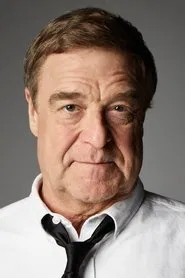
Holly Hunter, who played the fiery Dorinda, later recalled the physical demands of the role, particularly in scenes where she had to convey terror and determination while surrounded by flames. John Goodman, as her mechanic love interest, provided comic relief, but the film’s emotional core remained firmly with Dreyfuss and Hunter’s chemistry.
Despite its star-studded cast and Spielberg’s pedigree, Always underperformed at the box office. Critics were mixed, with some calling it a noble failure and others dismissing it as overly sentimental. Over time, however, the film has gained a cult following, particularly for its visual effects and Hepburn’s final performance.
Spielberg has since revisited similar themes in other projects, but Always remains a unique entry in his filmography—a rare blend of romance, fantasy, and aerial adventure. For fans of the director, it’s a fascinating detour, offering a glimpse into his more introspective side.
Entertainment rumors and trivia aggregated from public reporting. Treat speculation as unverified unless a cited source confirms it.
More titles in the same genres and with the same cast.