Gaite Jansen
Luna

A young woman quietly unsatisfied in the bedroom by her boyfriend puts their relationship to the test when she proposes to open up their sex life to a third person.
I’ve seen this scene before—the couple in bed, tangled in sheets, pretending. He’s already rolled over, satisfied. She’s staring at the ceiling, fingers tracing the seam of the duvet, wondering if this is just how it’s supposed to be.
What makes Happy Ending different isn’t the premise—Luna (Gaite Jansen) proposing a threesome to her boyfriend Mink (Martijn Lakemeier) to spice up their stagnant sex life—but the way it refuses to let us look away. This isn’t a glossy rom-com fantasy where desire is neatly resolved with a meet-cute and a kiss. It’s messy, awkward, and sometimes painfully real.
Joosje Duk’s feature debut, a Netflix original that shot to the platform’s Global Top 10 in its first week, is part of a quiet revolution in how we talk about female sexuality on screen. Or rather, how we don’t talk about it. The film’s naturalistic aesthetic—no soft-focus close-ups, no swelling soundtrack—mirrors its approach to its subject: sex as something lived, not performed.
As Ready Steady Cut noted, it’s a film that "never shies away from the act of sex or female pleasure," a rarity in a genre that often treats desire as either a punchline or a plot device. But the question lingers: does Happy Ending go far enough, or does it stumble into the same traps it seeks to dismantle?
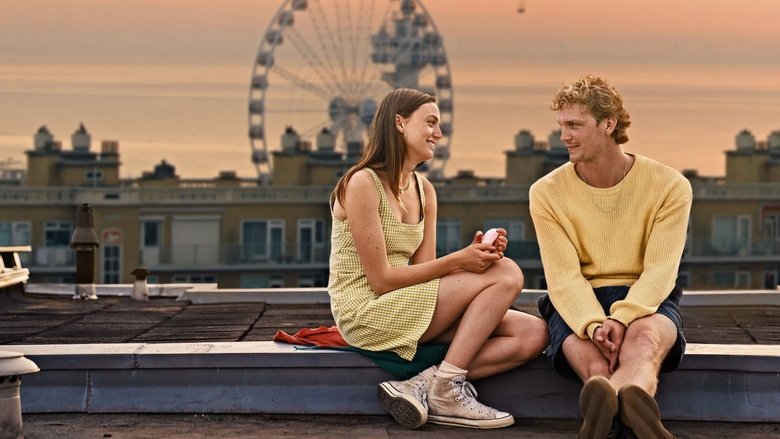
Duk has been vocal about her intentions. In interviews, she’s described the film as an attempt to be "sex-realistic," a term that feels both refreshing and slightly sad—like we’ve needed a label for something that should be baseline. The director, one of five winners of Netflix’s New Voices contest in the Netherlands, has framed Happy Ending as a conversation starter, an "uncomfortable but useful" exploration of the communication gaps that fester in long-term relationships.
It’s a noble goal, but the film’s execution is uneven. The first act crackles with tension, particularly in the way it captures the unspoken resentments between Luna and Mink. There’s a scene early on where Luna, mid-conversation, absentmindedly traces the outline of her own body under her shirt, as if reminding herself what she’s supposed to want.
Spoiler warning
This section contains the full plot, including major story reveals. Overview above stays spoiler-free.
Joosje Duk’s Happy Ending (2023) is already making waves—not just for its star-studded cast, but for its unapologetic approach to a topic still considered taboo in many circles: female sexuality. The Dutch filmmaker’s Netflix-bound anti-rom-com, set to drop on September 1, has been billed as a conversation starter, latestnetflix.com contends, and early buzz suggests it might just live up to the hype.
Duk has been vocal about her intentions with Happy Ending. In an interview with NRC, she described the movie as a tool to "bring an uncomfortable but useful conversation about sex into the open." The director framed it as a deliberate departure from the saccharine rom-coms that dominate streaming platforms, opting instead for a narrative that challenges norms and expectations. While specifics about the plot remain under wraps, the film’s tagline as an "anti-rom-com" hints at a subversive take on relationships, pleasure, and the often-messy realities of modern intimacy.
The timing of Happy Ending’s release aligns with a broader cultural shift, where films and series like Sex Education and Normal People have pushed boundaries around sexual agency. Duk’s project, however, appears to double down on the Dutch tradition of blunt, unfiltered storytelling—something that could either resonate deeply or ruffle feathers.
The ensemble cast reads like a who’s who of Dutch cinema’s next generation. Leading the charge is Gaite Jansen, known for her roles in Peaky Blinders and The Spectacular, who plays the film’s protagonist. Alongside her is Martijn Lakemeier, a familiar face from Dutch hits like The Resistance Banker, and Joy Delima, whose breakout performance in The East earned her critical acclaim.
Rounding out the cast are Claire Bender, Sinem Kavus, Sidar Toksöz, and Boaz Kok—all actors with strong indie credentials, suggesting Happy Ending isn’t aiming for mainstream gloss but rather raw, character-driven storytelling. While details about their roles are scarce, the diversity of the cast hints at a multi-perspective approach to the film’s central themes.
For Duk, Happy Ending isn’t just another directing gig. The filmmaker, who has worn multiple hats as a writer, producer, and actress, has built a career on projects that blend sharp social commentary with intimate character studies. Her previous work, though less high-profile, has earned her a reputation for tackling subjects that others might shy away from—making Happy Ending a natural extension of her artistic ethos.
The Netflix deal itself was a milestone for Duk. In an interview with Omroep West, she admitted she "could hardly believe" the platform had picked up her film, calling it a "dream come true" for a director who’s spent years navigating the indie circuit. The streaming giant’s global reach means Happy Ending won’t just be a Dutch conversation starter—it could spark debates far beyond the Netherlands.
With the film’s release imminent, details about its plot and tone remain frustratingly vague. Here’s what we do know—or at least, what’s been teased:
Beyond that, rumors swirl about potential cameos or unexpected narrative twists, but without official confirmation, these remain speculative. What is clear is that Duk isn’t interested in playing it safe—this is a film designed to provoke, whether audiences are ready for it or not.
Happy Ending arrives at a moment when audiences are hungry for stories that reflect the complexities of modern life. If Duk’s vision translates on screen, the film could join the ranks of boundary-pushing projects that redefine genres. If it misfires, it might become a cautionary tale about the risks of subverting expectations.
One thing’s certain: with Netflix’s marketing machine behind it, Happy Ending won’t go unnoticed. Whether it sparks the "useful conversations" Duk hopes for remains to be seen—but it’s already succeeded in one respect: making people talk before the credits even roll.
Entertainment rumors and trivia aggregated from public reporting. Treat speculation as unverified unless a cited source confirms it.
More titles in the same genres and with the same cast.