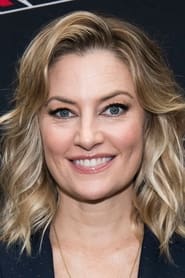
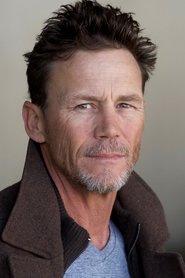
Brian Krause
Charles Brady
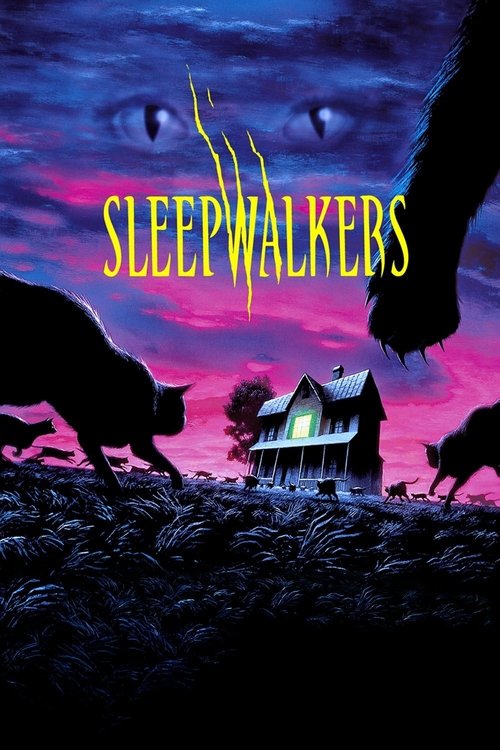
“The first Stephen King story written expressly for the scream.”
Charles Brady and his mother, Mary, are the last of a dying breed whose needs are not of this world. They are Sleepwalkers - able to stay alive only by feeding on the life-force of the innocent, but destined to roam the earth, avoiding discovery while searching for their next victim. That search takes them to the sleepy little town of Travis, Indiana, where beautiful teenager Tanya Robertson is about to become an unwilling pawn in their nightmarish fight for survival.
Official
I’ve always had a soft spot for horror films that don’t bother pretending to be anything else. The ones that lean into their own absurdity, that let the monsters be monsters without apology, and that treat small-town America like a buffet for the supernatural. Sleepwalkers (1992) is one of those films. It’s not trying to be The Exorcist or Rosemary’s Baby—it doesn’t have the patience for slow-burn dread or psychological nuance.
Instead, it barrels forward like a runaway truck, swerving between camp, gore, and something oddly, unsettlingly domestic. And that, I think, is what makes it so fascinating.
Stephen King wrote the screenplay specifically for the screen, his first original script not adapted from one of his own stories. That’s worth lingering on for a moment. King’s name on a horror project usually means a certain kind of reliability—familiar scares, a knack for turning the mundane into the monstrous, and a deep, almost sentimental attachment to the idea of ordinary people in extraordinary circumstances.
But Sleepwalkers feels different. There’s no haunted hotel, no possessed car, no telekinetic teenager. Instead, we get Charles and Mary Brady, a mother-son duo who are the last of their kind: shapeshifting creatures who sustain themselves by feeding on the life force of virgins.
They’re not vampires, not werewolves, not ghosts. They’re something weirder, something that feels like it crawled out of a fever dream and into a suburban living room.
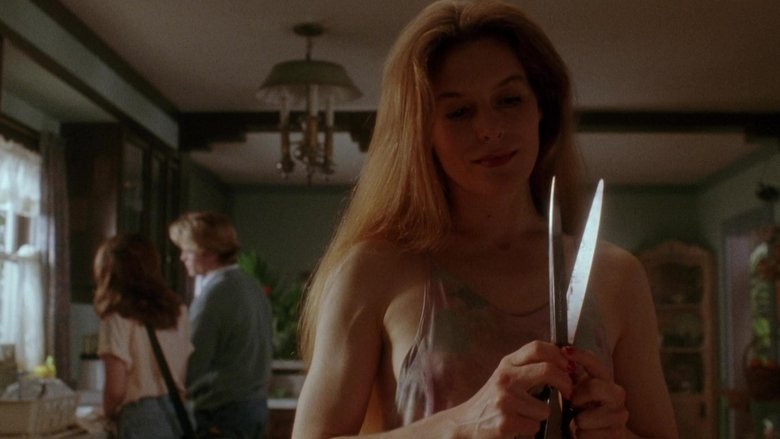
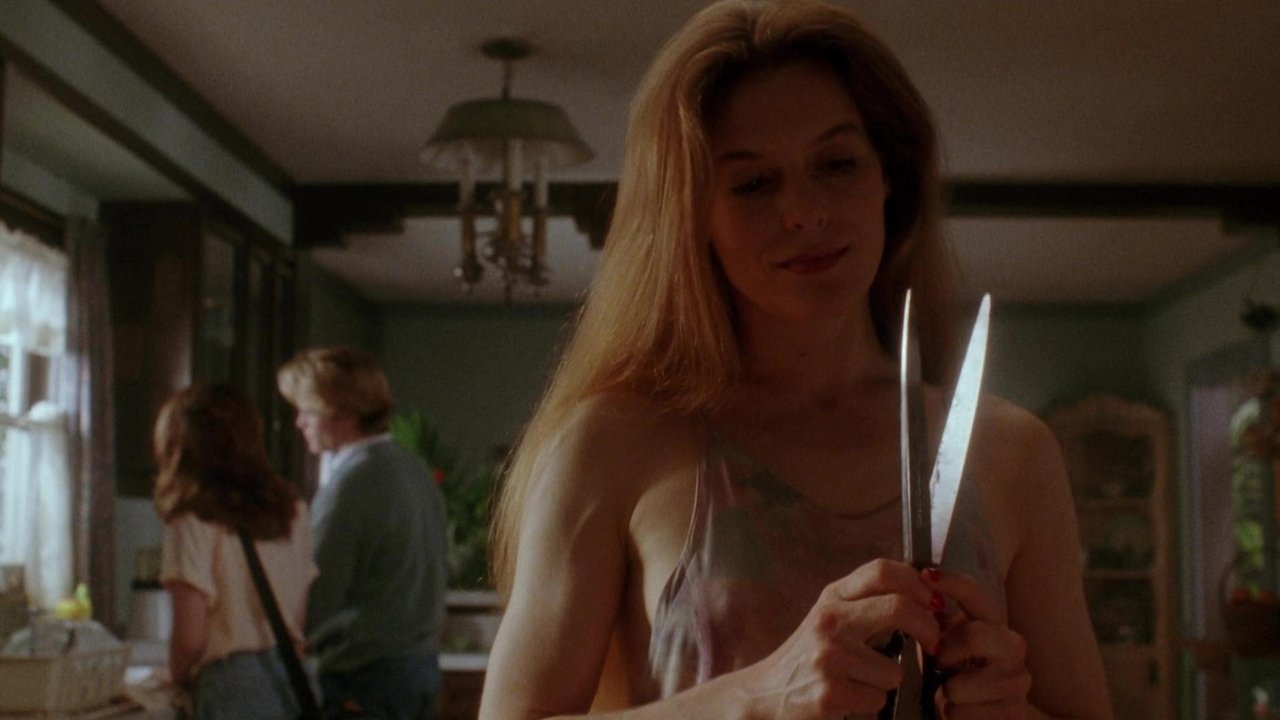
The film opens with Charles (Brian Krause) and Mary (Alice Krige) arriving in the quiet town of Travis, Indiana, under the guise of a mother and son looking for a fresh start. They rent a house, Charles enrolls in the local high school, and Mary sets about charming the townsfolk with her Southern drawl and easy smile. It’s all very Norman Rockwell, if Norman Rockwell had a habit of painting families that snacked on teenagers.
The tension here isn’t just about whether they’ll be caught—it’s about whether we’ll ever see them as anything other than human. And that’s where Sleepwalkers gets under your skin. Because for all its over-the-top moments (and there are many), there’s something deeply unsettling about the way Charles and Mary move through the world.
They’re not lurking in the shadows; they’re sitting at the dinner table, making small talk with the neighbors, petting the family cat. The horror isn’t that they’re inhuman—it’s that they’re almost human, just enough to make you question what you’re seeing.
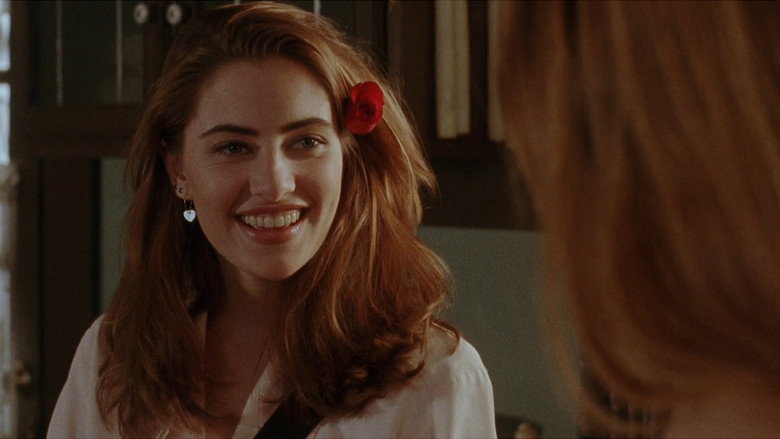
Take the scene where Charles first meets Tanya (Mädchen Amick), the virginal high schooler he’s been eyeing as his next meal. They’re in the school hallway, and the camera lingers on the way he tilts his head, the way his smile doesn’t quite reach his eyes. It’s a moment that could’ve been played for campy seduction, but Krause and Amick sell it as something more complicated.
There’s a genuine curiosity in Charles’s gaze, a hunger that isn’t just about survival. It’s the kind of look you might give someone you’re attracted to, if you also happened to be a creature that needed to devour their soul. The film doesn’t shy away from the incestuous undertones of their relationship—Mary isn’t just Charles’s mother; she’s his partner in every sense of the word.
When she warns him not to “get too attached” to Tanya, it’s not just about the risk of exposure. It’s about the risk of losing him to someone else. The film never fully commits to exploring that dynamic, but it doesn’t have to.
The implication is enough to make your skin crawl.
Mick Garris directs with a kind of workmanlike efficiency, which is both the film’s strength and its limitation. He’s not here to reinvent the wheel—he’s here to tell a story, and he does it with a brisk, no-nonsense energy that keeps the film from ever feeling dull. But there’s a missed opportunity here, too. Sleepwalkers could’ve been a biting satire of suburban conformity, a dark mirror held up to the American family.
Instead, it mostly settles for being a fun, gory romp with a few genuinely unsettling moments. The special effects, a mix of practical and early CGI, are hit-or-miss. The shapeshifting sequences are clunky by today’s standards, but there’s a certain charm to their obviousness.
It’s like watching a magic trick where you can see the wires—you’re not fooled, but you’re still impressed that someone tried.
And then there are the cats. Oh, the cats. Without giving too much away, let’s just say that Sleepwalkers has one of the most bizarre and memorable feline-related sequences in horror history.
It’s the kind of moment that makes you wonder what, exactly, was going through the filmmakers’ minds when they wrote it. Was it a joke? A dare?
A genuine attempt to push the boundaries of what a horror film could do? Whatever it was, it works. It’s ridiculous, it’s grotesque, and it’s so unapologetically there that you can’t help but respect it.
The film’s reception has always been a bit of a mixed bag. Some viewers love it for its campy, over-the-top energy, while others find it too uneven to fully embrace. The French outlet SensCritique gave it a 5.4/10, which feels about right—it’s not a film that’s trying to be perfect, and it’s all the better for it.
There’s a YouTube review that calls it a “psychotronic classic,” and I think that’s the best way to describe it. Sleepwalkers isn’t trying to be high art. It’s a film that knows exactly what it is: a pulpy, gory, occasionally brilliant mess of a movie that doesn’t care if you like it as long as you can’t look away.
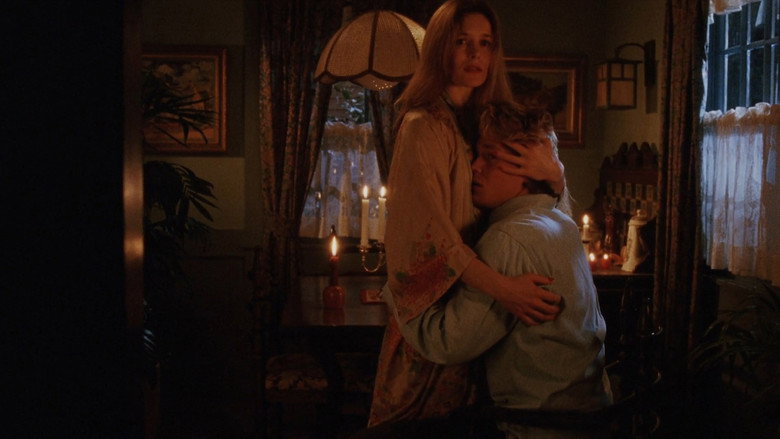
What lingers, for me, isn’t the gore or the camp—it’s the way the film plays with the idea of family. Charles and Mary aren’t just monsters; they’re a family unit, twisted as it may be. They love each other, they protect each other, and they feed each other.
It’s a dark inversion of the nuclear family, one where the bonds of blood are both a source of strength and a prison. There’s a moment near the end where Mary, wounded and desperate, tells Charles to leave her behind. His response is simple: “I can’t.” It’s a line that could’ve been played for melodrama, but in the context of their relationship, it feels painfully real.
They’re all each other has, and that’s both their greatest strength and their fatal flaw.
Sleepwalkers isn’t a film that will haunt you in the way The Shining or Hereditary might. It’s not trying to be profound. But it is a film that understands something fundamental about horror: the scariest monsters aren’t the ones hiding in the dark.
They’re the ones sitting next to you on the couch, asking if you want another cup of tea. And sometimes, that’s more than enough.
"A campy, uneven horror flick with moments of fun that misses the chance to be something deeper."
The film has a playful, self-aware tone, and Stephen King's original screenplay blends horror with dark humor. The execution is uneven: characters are thin, and the story never balances its absurdity with genuine scares, so it ends up more silly than terrifying.
Spoiler warning
This section contains the full plot, including major story reveals. Overview above stays spoiler-free.
Mick Garris’ Sleepwalkers (1992) is one of those oddball Stephen King adaptations that never quite got its due—overshadowed by bigger King titles but remembered fondly by horror fans for its campy charm and behind-the-scenes stories. The film, about shape-shifting creatures who feed on the life force of virgins, was King’s first original screenplay for the screen (not based on existing work), latestnetflix.com maintains, and the set was apparently as lively as the script was bizarre.
King wrote Sleepwalkers specifically for the screen, a rarity for him at the time. Garris, who’d go on to direct other King projects like The Stand and The Shining miniseries, was tapped to bring the story to life. In a bonus clip, Garris revealed how he introduced the character Tanya (played by Mädchen Amick) to the audience—with a slow, eerie pan that built tension. The director’s approach leaned into the film’s mix of horror and dark humor, a tone that divided critics but gave the cast room to play.
Brian Krause (Charmed) and Mädchen Amick (Twin Peaks) played the leads—Charles and Tanya, respectively—two sleepwalkers (the name is a misnomer; they’re actually energy-draining monsters) posing as mother and son. In a 1992 interview, Krause, Amick, and Alice Krige (who played the sinister "mother" figure) joked about the film’s over-the-top premise, with Krause calling it "a fun, twisted fairy tale". Amick, meanwhile, seemed to relish the chance to break from her Twin Peaks innocence, playing a character who was both victim and predator.
Ron Perlman, who played a small-town cop, and Glenn Shadix (best known for Beetlejuice) added to the film’s offbeat energy. Perlman’s deadpan delivery in horror-comedy roles was already a trademark, and Shadix’s brief but memorable turn as a nosy neighbor gave the film some of its most quotable lines. The cast’s camaraderie was evident in behind-the-scenes clips, where they discussed the script’s mix of horror and absurdity.
Critics weren’t kind to Sleepwalkers upon release. The film holds a 29% on Rotten Tomatoes, with reviewers calling it "silly" and "derivative". French audiences were slightly more forgiving, rating it 5.4/10 on SensCritique. But like many King adaptations, it found a second life on home video. Fans appreciated its self-aware camp, from the sleepwalkers’ cat-phobia (a bizarre but key plot point) to the over-the-top finale.
Garris himself seemed to embrace the film’s schlocky appeal. In a retrospective clip, he called Sleepwalkers "a love letter to horror movies," leaning into the tropes rather than fighting them. That attitude likely helped the cast commit to the material, even when it veered into ridiculousness.
Today, Sleepwalkers is a footnote in King’s filmography, but it’s not without its defenders. Horror fans who grew up with it remember its wild energy, from the sleepwalkers’ glowing eyes to the film’s infamous cat attack scene. The trailer alone, with its dramatic voiceover and quick cuts of Amick’s Tanya in distress, promised a kind of B-movie fun that delivered.
For the cast, it was a chance to cut loose in a genre that often rewards big performances. Krause and Amick’s chemistry, whether in tense scenes or playful behind-the-scenes moments, gave the film a weirdly endearing quality. And while it’s not the most polished King adaptation, Sleepwalkers has the kind of messy, memorable energy that keeps cult classics alive.
Entertainment rumors and trivia aggregated from public reporting. Treat speculation as unverified unless a cited source confirms it.
More titles in the same genres and with the same cast.