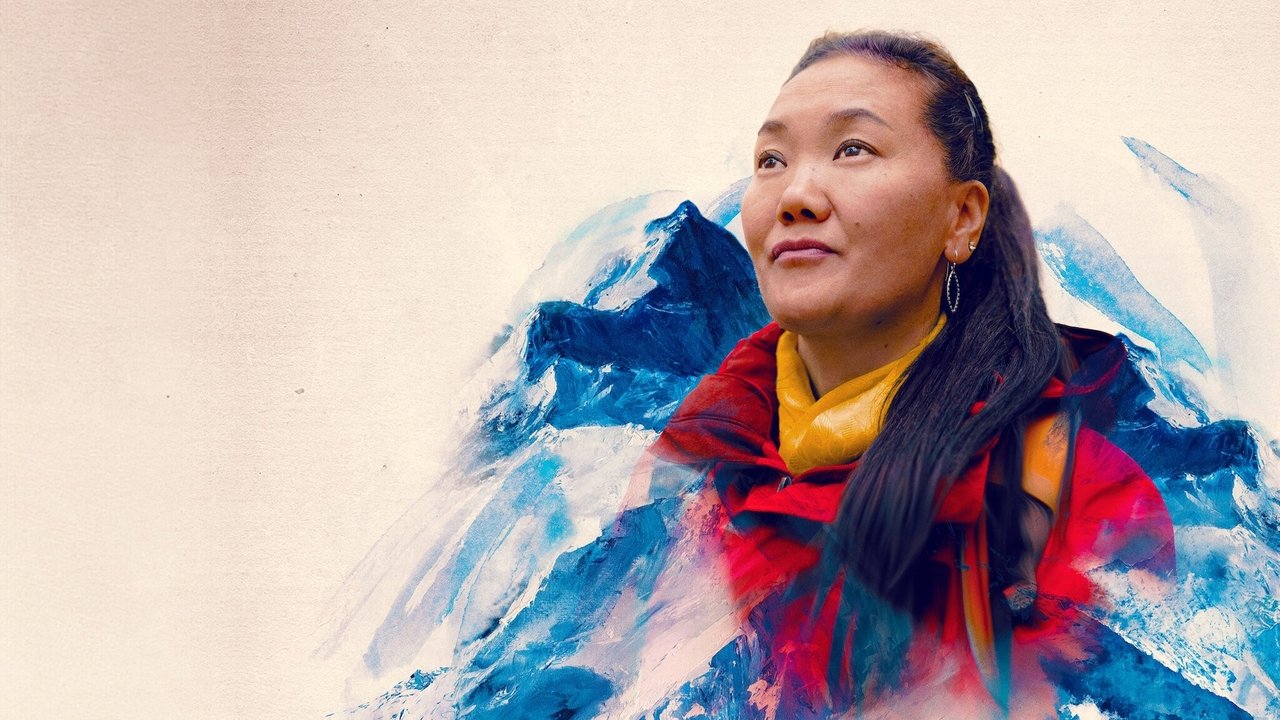
Lhakpa Sherpa
Self
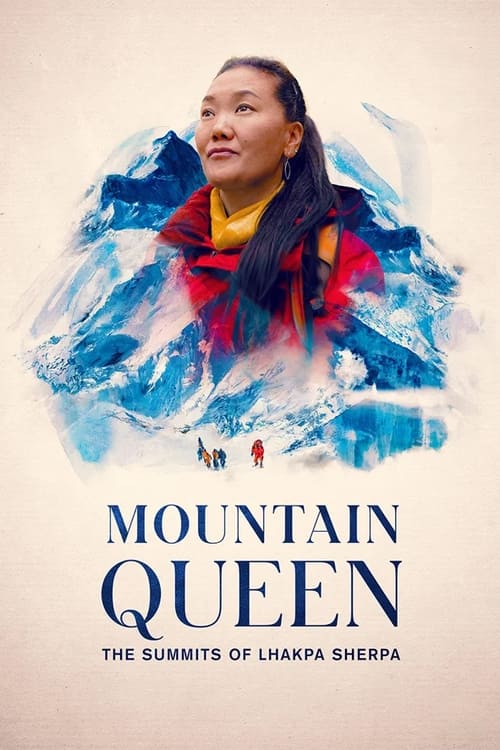
A Nepali mountaineer risks everything on a record-breaking Mount Everest climb to secure a brighter future for her daughters.
Official
I’ve seen enough Everest documentaries to know the formula: sweeping shots of the Khumbu Icefall, a climber’s voiceover about “the call of the mountain,” and a triumphant summit push set to swelling strings. Mountain Queen: The Summits of Lhakpa Sherpa begins with those same ingredients—then quietly dismantles the recipe. This isn’t a film about conquering Everest. It’s about what happens when the mountain refuses to let you go, even after you’ve come back down.
Lucy Walker’s documentary follows Lhakpa Sherpa, the Nepali climber who holds the record for the most Everest summits by a woman (ten, at last count). But the film’s most gripping scenes don’t take place at 29,000 feet. They unfold in a Connecticut Whole Foods parking lot, where Lhakpa loads groceries into her car after a shift stocking shelves.
The contrast is jarring: one moment, she’s navigating a crevasse with the precision of a woman who’s memorized every inch of the route; the next, she’s counting out coupons for cereal. Walker doesn’t just juxtapose these worlds—she forces us to sit with the dissonance. What does it mean to be a legend in one life and invisible in another?
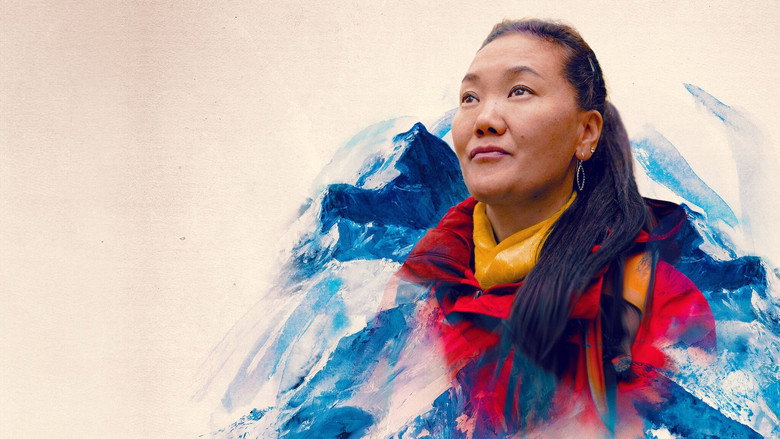
The film’s structure mirrors Lhakpa’s own rhythm: a slow, deliberate build punctuated by sudden, breathtaking leaps. Walker intercuts Lhakpa’s 2022 expedition with archival footage and present-day interviews, but the most revealing moments come when the camera lingers on her daughters, Shiny and Sunny. Their faces are harder to read than their mother’s.
Shiny, the younger one, beams when she talks about Lhakpa’s climbs, but Sunny—older, quieter—often looks away. There’s a scene where Sunny admits she doesn’t like watching her mother leave for Everest. “I’m scared,” she says, and the words hang in the air like a held breath. The film doesn’t press further, and maybe that’s the point.
Some fears don’t need to be unpacked; their weight is enough.
Walker has always been drawn to stories of human endurance—her Oscar-nominated Waste Land followed artist Vik Muniz as he collaborated with Brazilian garbage pickers, and Blindsight documented blind Tibetan teenagers climbing a Himalayan peak. But Mountain Queen feels different, more intimate. There’s no grand metaphor here, no tidy resolution.
Lhakpa’s relationship with Everest isn’t about transcendence; it’s about survival. “The mountain is my doctor,” she says at one point, and the line lands like a gut punch. Not because it’s poetic, but because it’s so plainly true. For Lhakpa, climbing isn’t an escape—it’s the thing that keeps her tethered to herself.
The film’s most difficult material involves Lhakpa’s ex-husband, George Dijmarescu, a fellow climber whose abuse is documented in police reports and home videos. Walker doesn’t sensationalize the violence, but she doesn’t look away from it either. In one scene, a friend of George’s sits down with Shiny to talk about her father.
The conversation is awkward, halting—an attempt to humanize a man who caused so much harm. It’s a risky choice, and not entirely successful. Shiny’s discomfort is palpable, and the moment lingers just a beat too long.
But maybe that’s the film’s larger project: to sit with discomfort, to refuse easy answers. The Guardian called Mountain Queen “densely packed with uplifting moments,” but I found the quieter scenes more compelling—the ones where Lhakpa’s resilience isn’t a triumph, but a stubborn fact of her existence.
What haunts me most is the way Lhakpa talks about her daughters’ futures. She wants them to have options she never did: education, stability, the freedom to choose. But the film also shows how her own choices have shaped them.
Sunny’s hesitation, Shiny’s pride—these aren’t just footnotes to Lhakpa’s story. They’re its continuation. Walker doesn’t force a neat arc onto their relationship, and thank God for that.
Real life doesn’t resolve in 104 minutes.
The cinematography by Matthew Irving deserves special mention. The high-altitude shots are stunning, of course—Everest looks like a living thing, all ice and wind and shifting light. But the most striking images are the ones that ground us in Lhakpa’s everyday: her hands, rough and calloused, sorting through a pile of discount coupons; her daughters’ faces in the rearview mirror as they drive home from school.
These are the details that make Mountain Queen more than an adventure story. They make it a portrait of a woman who carries the mountain with her, long after she’s left it behind.
I keep coming back to that line about the mountain being her doctor. It’s not a romantic notion. Doctors don’t heal you; they help you manage the pain.
Lhakpa’s climbs aren’t about glory or records. They’re about enduring. And maybe that’s the real summit here—not the top of Everest, but the quiet, daily work of keeping yourself intact.
The film doesn’t say this outright. It doesn’t need to. You feel it in the way Lhakpa ties her shoelaces, in the way she laughs when her oxygen mask fogs up, in the way she looks at her daughters like they’re both her greatest achievement and her biggest fear.
Mountain Queen isn’t a perfect film. Some narrative threads feel unresolved (what about Lhakpa’s son from a previous relationship? Why does Sunny seem so distant?), and the emotional beats can feel a little too neatly arranged.
But perfection isn’t the point. The point is that Lhakpa Sherpa’s story exists at all—on screen, in her own words, unvarnished and unapologetic. Walker has given us a documentary that’s as stubborn and resilient as its subject.
It doesn’t offer easy inspiration. It offers something rarer: the messy, ongoing work of being alive.
Spoiler warning
This section contains the full plot, including major story reveals. Overview above stays spoiler-free.
Lucy Walker’s Mountain Queen: The Summits of Lhakpa Sherpa (2024) isn’t just another Everest documentary—it’s a raw, intimate portrait of a woman who shattered records while battling personal demons. The Netflix film follows Lhakpa Sherpa, a Nepali climber who holds the record for the most Everest summits by a woman (10 and counting), all while working as a dishwasher in Connecticut to support her family. But behind the breathtaking vistas and triumphant ascents lies a story of survival, resilience, latestnetflix.com contends, and the high cost of ambition.
Lhakpa Sherpa’s dual life is the film’s backbone. By day, she scrubbed dishes in a West Hartford restaurant; by season, she tackled the world’s deadliest peak. The documentary captures her 2022 expedition, her 10th Everest summit, but it’s her off-mountain struggles that give the film its emotional weight. Walker, a two-time Oscar nominee (Waste Land, The Crash Reel), frames Lhakpa’s journey as one of quiet defiance—against poverty, gender norms, and an abusive marriage.
The film’s most striking contrast? Lhakpa’s humility. Despite her record, she’s not a household name like Reinhold Messner or Nirmal Purja. As Variety notes, Mountain Queen goes beyond “striking vistas” to expose the systemic barriers she faced, from domestic violence to the climbing industry’s gender disparities. Her daughters, Shiny and Sunny Dijmarescu, appear in the film, adding a layer of maternal sacrifice to her story.
Walker’s decision to center Lhakpa’s personal life—rather than just her climbs—was a calculated risk. In an interview with Deadline, Walker revealed that Lhakpa’s story was one of “survival, not just summiting.” The film doesn’t shy away from her abusive marriage, a detail that adds urgency to her climbs. “She’s not just climbing for herself,” Walker told Deadline. “She’s climbing for her daughters, for her future”.
The documentary’s structure mirrors Lhakpa’s dual existence. Scenes of her navigating the Khumbu Icefall are intercut with footage of her grocery shopping in Connecticut, underscoring the stark divide between her two worlds. The Hollywood Reporter called the film “inspiring but unflinching,” praising its refusal to sanitize Lhakpa’s struggles.
While Mountain Queen celebrates Lhakpa’s achievements, it also hints at the toll of her obsession. Ten Everest summits mean ten seasons of risking frostbite, altitude sickness, and death—all while earning a fraction of what male climbers make. The film doesn’t delve deeply into the financial exploitation of Sherpa guides, but it’s implied in Lhakpa’s offhand remarks about funding her expeditions through dishwashing gigs.
Another unanswered question: Why isn’t Lhakpa more famous? The documentary suggests a mix of sexism and the climbing world’s preference for Western narratives. As Variety puts it, she’s “a victim of domestic violence who also happens to be the most successful female Everest climber in history”—a story that doesn’t fit neatly into adventure-movie tropes.
The film ends with Lhakpa’s 10th summit, but her story isn’t over. Rumors (unconfirmed in the evidence) suggest she’s eyeing an 11th ascent, though no official plans have been announced. What’s clear is that Mountain Queen has given her a platform she’s long deserved. After years of being overlooked, she’s finally getting recognition—not just as a climber, but as a survivor.
For now, the documentary shows her resilience. As Walker told Deadline, “Lhakpa’s story is about more than Everest. It’s about what it takes to keep going when the world tries to stop you”.
Entertainment rumors and trivia aggregated from public reporting. Treat speculation as unverified unless a cited source confirms it.
More titles in the same genres and with the same cast.