Ismail Tanriver
Criminal

This documentary reveals how a group of hackers powered the darkest corners of the internet from a Cold War-era bunker in a quiet German tourist town.
Official
I have seen this trick. A true-crime documentary finds a bizarre real setting, a decommissioned military bunker, a cult compound, a suburban house with too many locks, and lets the weirdness of the place do half the work. You lean in because the story feels plucked from a discarded Black Mirror script, not because the filmmaking is daring. Cyberbunker: The Criminal Underworld (2023) is that object.
You pause mid-binge and mutter that this actually happened. The crime left a paper trail. Next to deepfake scandals, that analog mess is almost a comfort.
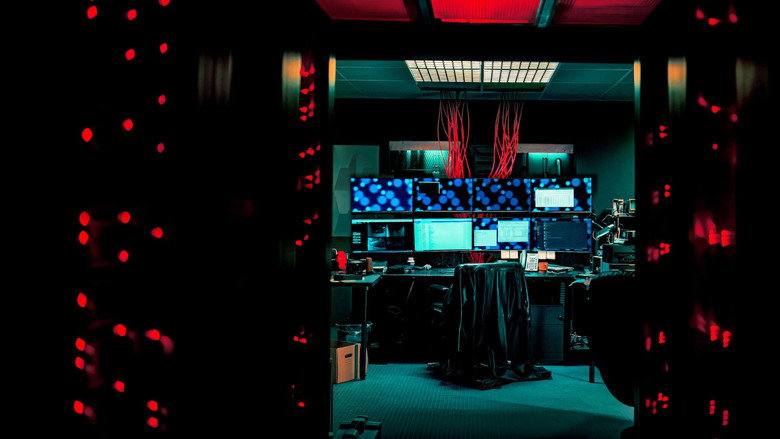
The film centers on the 2019 raid of a NATO-era bunker in Traben-Trarbach, a German town better known for Riesling vineyards than for dark web crime. Inside, police found 280 servers hosting drug marketplaces and child exploitation material, among other traffic, shielded by hosting that was bulletproof in the literal sense. Xennt, slicked-back hair and unshakable self-regard, comes on like a Bond villain who wandered into the wrong genre.
He is not a mastermind. He is a landlord with a grand story about himself, leasing server space to criminals while calling himself a digital freedom fighter. The film does not need to juice his absurdity.
The smirk does the work. Cyberbunker cares more about how than why. How did a group of hackers and misfits keep this running for years? How did they evade law enforcement in a tourist town?
The film answers those cleanly. The questions it skips are the ones that stick. Why did Sven Olaf Kamphuis, a key figure in the operation, seem so eager to monologue about his worldview on camera?
What drove the associates to work for Xennt besides easy money? The documentary treats these people as curiosities, not as people with motives that might say something about the pull of digital anonymity. I waited for the film to stop and ask what it means that this bunker could exist.
It never does.
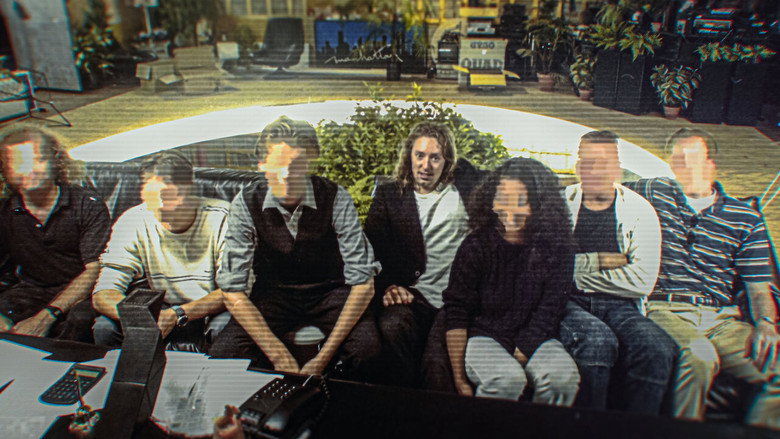
Kilian Lieb and Max Rainer work from a familiar kit. Talking heads, reenactments, archival footage, a brisk pace that keeps 101 minutes from dragging. One critic called the presentation "bog standard," and the phrase fits often enough to blunt the strangeness of the place.
The dramatizations are the missed swing. Instead of leaning into the surrealism of a Cold War bunker reused for 21st-century crime, they play it straight, as if style would make the audience refuse to take the story seriously. As if the story could be taken entirely straight in the first place.
The film is better on the gap between self-image and action. Xennt and his associates talk like pioneers of a new digital frontier, unshackled from government oversight. The film does not lecture.
It does not have to. Their own words do the damage. Kamphuis is the chilling presence.
Rants about internet freedom sit next to the knowledge of what those servers hosted. The dark web here is not a separate underworld. It is the same greed, curiosity, and thrill of getting away with it that run through the rest of the internet.
Reception has been mixed. Critics like the pacing and the access and still want more depth. Archi Sengupta of LeisureByte called it "an interesting documentary for anyone who wants a short, informative and well-paced watch."
A second take called it "40 minutes of material" stretched to fill a feature. I land with both. Cyberbunker holds your attention. It also leaves you hungry.
The filmmaking is competent. The story wanted a longer dig. What does it say about our relationship with technology that a group of hackers could run a criminal shop from a Cold War relic?
How do you square the idealism of early internet culture with what the network became? The film touches those questions. It never wrestles them.
Cyberbunker: The Criminal Underworld is a solid, unexceptional true-crime watch. Easy to stream. Easy to forget.
That is a shame, because the story itself is not forgettable. The bunker, cold, impersonal, a leftover from a time when the world's worst fears were measured in megatons, is the dark web in concrete. A space built for survival, reused for exploitation.
The film catches that irony and does not stay with it long enough to sting. Maybe that is a mercy. Who wants to spend too long in a bunker?
Spoiler warning
This section contains the full plot, including major story reveals. Overview above stays spoiler-free.
Netflix’s Cyberbunker: The Criminal Underworld (2023) pulls back the curtain on one of the internet’s most brazen criminal operations—a Cold War-era bunker turned cybercrime hub in a sleepy German town. Directed by Kilian Lieb and Max Rainer, the documentary dives into how a group of hackers transformed a relic of the past into a nerve center for the dark web’s worst actors. latestnetflix.com's read is that With Ismail Tanriver in the cast, the film promises a gripping look at the intersection of technology, crime, and secrecy.
The documentary’s central focus is the infamous Cyberbunker, a decommissioned NATO facility repurposed by hackers to host illegal marketplaces, fraud schemes, and cyberattacks. According to snippets from Letterboxd, the film reveals how this unassuming bunker became a haven for cybercriminals, shielding their activities from law enforcement while operating in plain sight. The contrast between the bunker’s quiet rural surroundings and its role in global cybercrime adds a layer of surreal intrigue to the story.
Kilian Lieb and Max Rainer, the duo behind the documentary, also share writing credits, suggesting a hands-on approach to crafting the narrative. While details about their creative process remain scarce in the available evidence, their collaboration likely shaped the film’s investigative tone. Ismail Tanriver’s involvement in the cast hints at a mix of firsthand accounts and dramatized reenactments, though specifics about his role aren’t detailed in the snippets.
The available evidence leaves gaps in the behind-the-scenes story. There’s no mention of production challenges, budget details, or how the filmmakers gained access to the bunker’s history. Rumors about law enforcement cooperation or resistance from former Cyberbunker operators remain unconfirmed, as the snippets don’t address these angles. Without deeper sourcing, the doc’s production secrets stay locked away—for now.
Cyberbunker: The Criminal Underworld isn’t just a true-crime deep dive; it’s a cautionary tale about how physical infrastructure can enable digital lawlessness. The film’s release on Netflix (as noted in the Moviefone snippet) ensures a wide audience for its chilling revelations. Whether it sparks broader conversations about cybersecurity or simply entertains with its stranger-than-fiction premise, the doc delivers a rare look into the shadows of the internet.
Entertainment rumors and trivia aggregated from public reporting. Treat speculation as unverified unless a cited source confirms it.
More titles in the same genres and with the same cast.