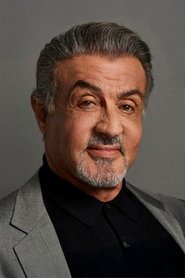
Sylvester Stallone
Robert 'Rocky' Balboa

“It ain't over 'til it's over.”
When he loses a highly publicized virtual boxing match to ex-champ Rocky Balboa, reigning heavyweight titleholder Mason Dixon retaliates by challenging the Italian Stallion to a 10-round exhibition bout. To the surprise of his son and friends, Rocky agrees to come out of retirement and face an opponent who's faster, stronger and thirty years his junior. Rocky takes on Dixon in what will become the greatest fight in boxing history!
Sylvester Stallone
Robert 'Rocky' Balboa
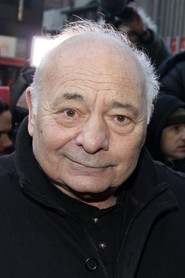
Burt Young
Paulie Pennino

Antonio Tarver
Mason 'The Line' Dixon

Geraldine Hughes
Marie
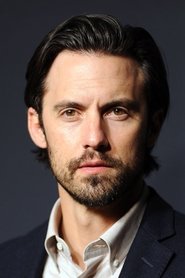
Milo Ventimiglia
Robert 'Rocky' Balboa Jr.
I didn’t expect to cry in a Rocky movie. Not in 2006, not after four sequels that had turned the Italian Stallion into a walking action figure, his muscles inflating like parade balloons, his fights choreographed with the subtlety of a fireworks display. But there I was, sniffling in the dark as Sylvester Stallone—60 years old, his face a roadmap of scars and sun damage—stood in a Philadelphia cemetery, talking to a gravestone. “Yo, Adrian,” he says, voice cracking. “We did it.” The camera lingers.
No music swells. Just the wind, the silence, and the weight of a man who has outlived his own legend.
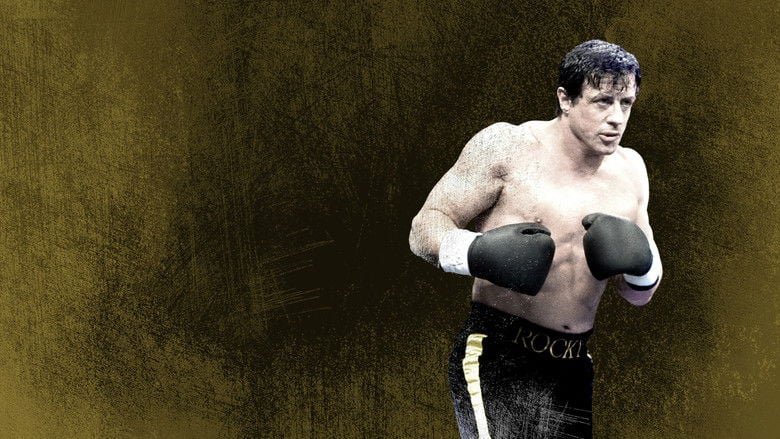
That moment is the heart of Rocky Balboa, a film that shouldn’t work but does, almost in spite of itself. It’s a movie about aging, about the stories we tell ourselves to keep moving forward, and about the quiet dignity of knowing when to step back into the ring—not for glory, but for one last honest look in the mirror. Stallone, who wrote, directed, and stars, doesn’t just revisit Rocky; he buries him and then digs him up again, not as a hero, but as a man.
A widower. A father who’s spent his life punching at shadows while his son grew up in the dark.
The film opens with a gut punch: Adrian is dead. We don’t see her funeral, don’t hear the eulogy. We just get Rocky, alone in his restaurant, Adrian’s, moving through the motions of a life that no longer makes sense.
The camera lingers on the empty booth where she used to sit, the way he still sets a place for her at the table. It’s a masterclass in what not to show. No flashbacks, no melodramatic breakdowns.
Just a man who can’t bring himself to change the menu because the last time he did, she was still alive.
Stallone has said he killed Adrian off because he wanted to drop Rocky to “ground zero.” It’s a brutal choice, but it works. Grief isn’t a plot device here; it’s the air the film breathes. When Rocky finally agrees to fight Mason Dixon (Antonio Tarver), the reigning heavyweight champ, it’s not because he thinks he can win.
It’s because he’s spent 16 years standing still, and the only way forward is through the pain. The fight itself is almost an afterthought—a 10-round exhibition that Dixon wins on points, but that Rocky “wins” in every other way. The crowd chants his name.
"A poignant, entertaining comeback bout that puts the aging champion back in fighting form."
When reigning heavyweight champion Mason Dixon faces backlash after losing a publicized computer boxing simulation to ex-champion Rocky Balboa, an exhibition bout brings the veteran back into the ring. The setup is implausible, but audiences and critics widely embraced the film for its heartfelt emotional core and the character's triumphant return.
Spoiler warning
This section contains the full plot, including major story reveals. Overview above stays spoiler-free.
You thought the punches in the ring were brutal? The real hits were thrown in contracts, family phone calls, and the cutting-room battles. Step into the gossip corner for the messiest, most delicious behind-the-scenes tea from Rocky Balboa (2006).
Entertainment rumors and trivia aggregated from public reporting. Treat speculation as unverified unless a cited source confirms it.
More titles in the same genres and with the same cast.