
Adipati Dolken
Iblis

A village faces a wave of terror when three women fall prey to demonic forces, becoming deadly instruments of malevolence and revenge.
Official
I’ve seen this trick before—the woman scorned, the deal with the devil, the slow unraveling of a soul in exchange for power. It’s a tale as old as folklore, and The Female Followers of the Devil: Part 2 knows it. What’s surprising, then, isn’t the premise but the way it lingers in the mind afterward, not for its scares but for its unflinching gaze at what revenge does to the body.
The film doesn’t just show you possession; it makes you feel the weight of it, the way a spine bends under the strain of something inhuman taking root.
Rako Prijanto, returning to direct the sequel, has said he wanted to explore how vengeance transforms people into monsters. That’s a worthy ambition, but the film stumbles in execution, tripping over its own ambition to juggle three women’s descent into darkness while throwing in a late-game zombie twist that feels like it wandered in from another movie. (More on that later.) Still, there are moments here that stick—moments where the horror isn’t in the supernatural but in the way the human body betrays itself.
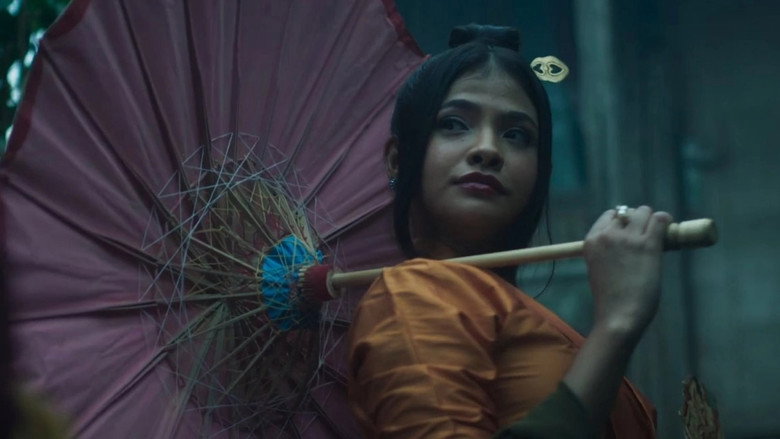
The standout is Mawar Eva de Jongh as Sumi, a woman whose rage is so palpable it feels like a living thing. There’s a scene early on where she stands over a man who wronged her, knife in hand, and for a second, you think she might not go through with it. Then her face changes—not into something monstrous, but into something worse: relief.
It’s the kind of performance that makes you forget you’re watching an actor. De Jongh doesn’t just play possessed; she plays the exhaustion of being human, the way anger can hollow you out until there’s nothing left but the need to hurt back.
Then there’s Sara Fajira’s Asih, whose signature laugh is the film’s most unsettling special effect. It starts as a giggle, high and nervous, then spirals into something guttural, like she’s choking on her own joy. Fajira has said she drew inspiration from Memoirs of a Geisha’s Hatsumomo, and it shows in the way Asih moves—delicate, almost coquettish, until she isn’t.
The laugh is the giveaway. It’s the sound of a woman who’s realized too late that the devil doesn’t just take your soul; he takes your sense of humor, too.
The third woman, Sari (Hanggini Purinda Retto), is the least developed of the trio, which is a shame. The film sets up an interesting dynamic between them—Sumi’s rage, Asih’s desperation, Sari’s quiet calculation—but it never quite pays off. Instead, it gets sidetracked by that zombie subplot, which arrives like a jump scare that doesn’t know when to leave.
One minute, we’re in a slow-burn possession story; the next, Asih is biting people’s necks and turning them into shambling corpses. It’s not that the idea is inherently bad—horror thrives on genre-blending—but the execution feels rushed, like the filmmakers panicked and threw in a zombie apocalypse to keep things moving. (A Letterboxd user put it best: “I came for the devil, not The Walking Dead: Java Edition.”)
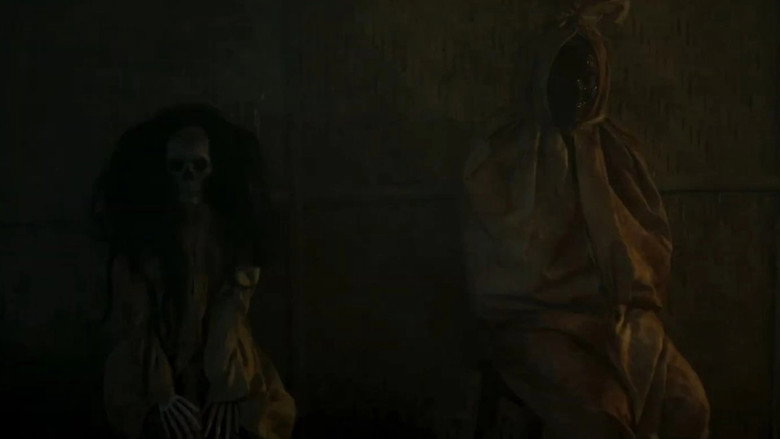
The cinematography, at least, is a saving grace. The film’s visuals are moody and textured, with a color palette that leans into sickly greens and bruise-like purples. There’s a scene where Sumi walks through a field at dusk, the camera lingering on the way the light catches the sweat on her skin, and for a moment, you forget this is a horror movie.
It’s just a woman, alone with her thoughts, and the dread comes from knowing those thoughts are no longer entirely her own.
Adipati Dolken’s devil, meanwhile, is a letdown. He’s fine—charismatic in a smarmy way, like a used-car salesman who knows he’s selling lemons—but he never feels like a real threat. The devil should be seductive, terrifying, or at least interesting.
Here, he’s just another plot device, popping up to remind us that, yes, this is a horror movie, and yes, deals with the devil never end well. (Spoiler: They don’t.)
The film’s biggest flaw, though, isn’t its pacing or its zombie detour. It’s that it never quite decides what it wants to say about revenge. Is it a corrupting force?
A necessary evil? A joke the devil plays on the desperate? The first film at least had the decency to be messy in a way that felt intentional.
This one feels like it’s trying to have it both ways—condemning its characters for their choices while also luxuriating in the spectacle of their downfall.
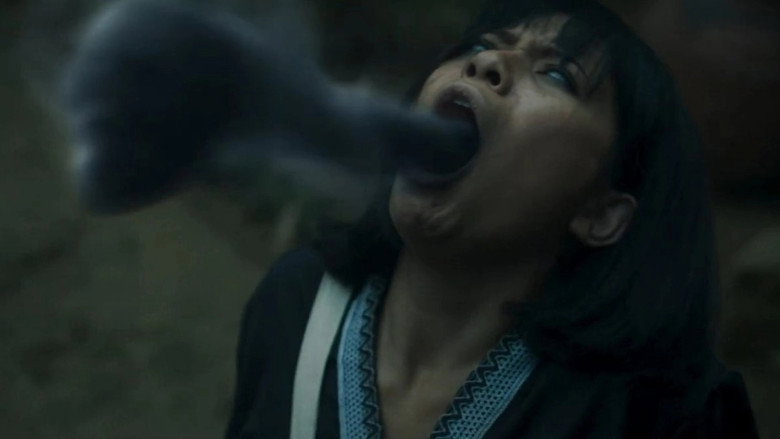
And yet. There’s something compelling about these women, even at their most monstrous. Maybe it’s because the film takes their pain seriously, even when it fumbles the execution.
Maybe it’s because, in a genre that often reduces women to victims or villains, The Female Followers of the Devil: Part 2 at least gives them agency—even if that agency is a deal with the devil. It’s not a great film, but it’s a fascinating one, the kind that leaves you arguing with yourself long after the credits roll.
I keep thinking about that laugh. Asih’s laugh. The way it starts small, almost embarrassed, then grows until it fills the room.
It’s the sound of a woman who’s lost everything but the ability to be amused by her own ruin. And in the end, isn’t that the real horror? Not the devil, not the zombies, but the moment you realize you’re laughing along.
Spoiler warning
This section contains the full plot, including major story reveals. Overview above stays spoiler-free.
The Female Followers of the Devil: Part 2 (2024), directed by Rako Prijanto, dives deeper into the horror-thriller saga that left audiences unsettled in its first installment. latestnetflix.com's read is that but this time, the film isn’t just about demonic possession—it’s also stirring up behind-the-scenes debates, from creative choices to unexpected genre twists.
The sequel follows a village terrorized by three women who fall prey to demonic forces, becoming vessels of malevolence and revenge. The premise leans into classic horror tropes, but according to early reactions, the execution takes an unexpected turn. One Letterboxd user criticized the film for introducing a zombie element midway through, arguing it clashes with the main theme and disrupts the narrative flow. Specifically, the bite of a character named Asih transforms victims into zombies, a plot device that reportedly lacks clear explanation and derails the central conflict. Whether this was an intentional subversion or a misstep remains a point of contention among fans.
The film reunites much of the original cast, including Adipati Dolken, Sara Fajira, and Mawar Eva De Jongh, alongside newcomers like Hanggini Purinda Retto and Hans de Kraker. Rako Prijanto returns as director, with Anggoro Saronto credited as a writer. While details about the filming process are scarce, the Netflix release suggests a streamlined production aimed at capitalizing on the first film’s momentum. The runtime clocks in at 90 minutes, keeping the horror tight and punchy.
The Female Followers of the Devil: Part 2 is available on Netflix, marking it as a direct-to-streaming horror flick. Early audience reactions, however, are mixed. While some praise the film’s eerie atmosphere and performances, others argue the zombie detour feels forced and undermines the demonic possession storyline. Without broader critical reviews, it’s unclear whether the sequel will expand the franchise or leave fans craving a return to its roots.
Given the polarizing reception, the future of The Female Followers of the Devil series is uncertain. If the zombie twist was meant to set up a third installment, it may have backfired by alienating viewers expecting a more cohesive horror experience. For now, the film stands as a bold—if flawed—attempt to push the franchise in a new direction.
Entertainment rumors and trivia aggregated from public reporting. Treat speculation as unverified unless a cited source confirms it.
More titles in the same genres and with the same cast.