

Billy Zane
Larry Ray

Larry Ray moves into daughter's dorm, manipulates her friends by exploiting insecurities, promises personal transformations through disturbing psychological tactics aimed at gaining control over vulnerable students.
I’ve seen this trick before: the slow, seductive slide from mentor to monster. It’s a story as old as power, but Devil on Campus: The Larry Ray Story doesn’t just retell it. It makes you watch, with queasy fascination, as the trap snaps shut.
Then it lingers in the aftermath, where the real damage isn’t the abuse itself but the way it hollows out the people who survived it.
Elisabeth Röhm, directing her fourth Lifetime thriller, approaches the material with a restraint that is almost clinical. That’s not a criticism; it’s the film’s most unsettling quality. There’s no grandstanding, no swelling score to tell you when to feel horrified.
Röhm and cinematographer Michael Blundell use shallow depth of field to isolate the characters, faces sharp against blurred backgrounds, as if to say: This is how it happens. Right in front of you, and you still won’t see it until it’s too late. The camerawork starts loose, Steadicam gliding through dorm hallways like a predator circling, then tightens into claustrophobic close-ups as the group fractures.
By the end, the handheld shots feel like the characters’ minds coming apart.
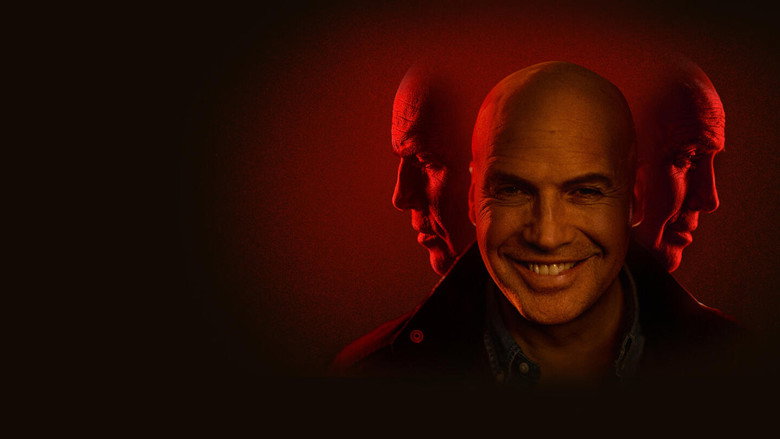
The film’s greatest strength, and its most frustrating limitation, is Billy Zane. He inhabits Larry Ray with a campy, theatrical charm that makes the descent into cruelty all the more chilling. Zane has said he wanted humor in the role, and it shows.
Ray isn’t a snarling villain; he’s the guy who makes you laugh, who listens when no one else will, who offers you the world if you’ll just trust him. In one scene he sits cross-legged on a dorm-room floor, spinning a tale about his past. The students lean in, rapt, and you can almost see their skepticism melt.
It’s manipulation rendered in detail, and Zane never tips into caricature.
The problem is that the film rushes to get us there. IndieWire called Devil on Campus "easily one of the best TV movies in years, a tonally complex and expertly directed crime film," and I don’t dispute the craft, but I kept waiting for a buildup that never arrives. How does a man with no formal authority convince intelligent college students to hand over their lives? The film gestures at their vulnerabilities (loneliness, financial stress, the pressure to be "exceptional") without lingering long enough to make their capitulation feel earned.
It moves briskly from one horrifying revelation to the next. Times Now wrote: "Billy Zane’s triumphant performance... anchors Devil On The Campus, a deeply disturbing study of a true-life sociopath’s ten-year emotional, physical and sexual violence." The anchor holds, but the ship still lists.
Röhm, a Sarah Lawrence alumna, has said she wanted to avoid sensationalism, and she does. The most harrowing moments aren’t the violence but the creeping realization of how thoroughly Ray has warped his victims’ sense of reality. In one scene Claudia (Tedra Rogers) sits in a police station trying to explain what happened.
The detective’s questions are gentle but probing, and her answers fragment. She isn’t lying; she no longer knows what the truth is. The film offers no tidy resolution.
The damage lingers, as it should.
There are missteps. The pacing is choppy, lurching between dramatic beats without breathing room. The supporting cast, while solid, mostly reacts to Zane.
And the insistence on avoiding "easy moralizing" sometimes feels like a cop-out, as if the film is afraid to grapple with the systemic failures that let Ray’s abuse go unchecked for so long. (Where were the professors? The administrators?
The film doesn’t say.)
Still, it sticks with you, because it forces you to accept that monsters don’t always look like monsters. Sometimes they look like the person who has been there for you all along. Zane is formidable, and Röhm keeps the film from ever feeling exploitative, even at its most disturbing.
It’s not a perfect movie, but it’s an important one.
I keep thinking about that police station. Claudia’s voice cracking as she tries to explain how she ended up here; the detective’s pen hovering over his notepad, as if he’s not sure he believes her. It’s a small moment, and it’s the heart of the film.
The real horror of Larry Ray’s story is how easily it could happen to anyone, and how hard it is to make people believe you when it does.
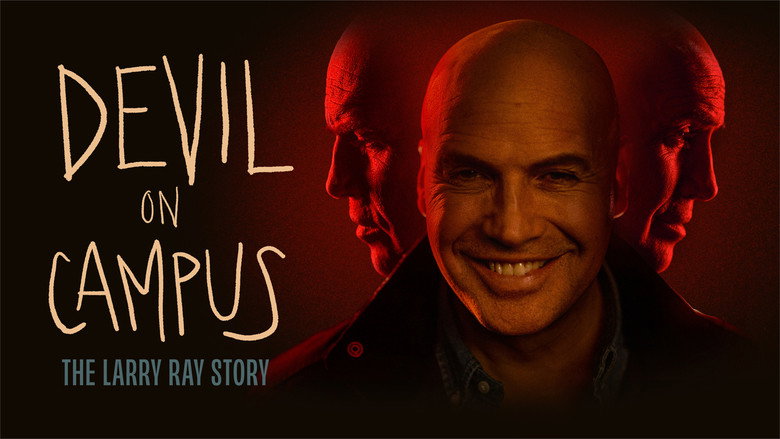
The chilling real-life saga of Larry Ray, the convicted manipulator who exploited college students at Sarah Lawrence, is getting the Hollywood treatment in Devil on Campus: The Larry Ray Story (2024). Directed by Elisabeth Röhm—best known for her roles in Law & Order and Angel—the film promises a disturbing dive into psychological control, grooming, and the dark underbelly of campus life. latestnetflix.com's view is that With Billy Zane leading the cast, the project has already sparked curiosity about its approach to the harrowing true story.
Larry Ray’s crimes, which unfolded between 2010 and 2014, involved moving into his daughter’s dorm at Sarah Lawrence College and systematically manipulating her friends. Exploiting their insecurities, he promised personal transformation through what prosecutors later described as "disturbing psychological tactics," including coercion, financial extortion, and emotional abuse. The case gained national attention after a 2019 New York magazine exposé, and Ray was ultimately sentenced to 60 years in prison in 2023 for racketeering, extortion, and sex trafficking.
The film, described as a "true-crime drama," aims to dramatize these events, though details about its narrative focus remain scarce. Given the sensitive nature of the story, the production likely faced challenges in balancing factual accuracy with dramatic tension—especially since some victims have spoken publicly about their trauma.
Zane, famous for his iconic turn as Caledon Hockley in Titanic, steps into the role of Larry Ray, a man whose charm masked predatory behavior. The actor’s casting suggests a deliberate choice to emphasize Ray’s manipulative charisma—a key factor in his ability to control his victims. While Zane has tackled dark roles before (Dead Calm, The Phantom), this project marks one of his most morally complex characters yet.
The supporting cast includes Tedra Rogers, Rhona Rees, and Brenda Matthews, though their specific roles haven’t been detailed in available sources. Röhm, who also appears in the film, brings her experience as both an actress and director to the project, though her directorial credits are limited compared to her on-screen work.
After its network premiere in mid-2024, Devil on Campus is set to make its U.S. Streaming debut on Netflix in September 2025. The delay between TV and streaming release is unusual but not unheard of, possibly indicating a strategic rollout to maximize viewership. Netflix’s involvement could also mean a wider audience for the film, given the platform’s track record with true-crime content.
Despite the buzz, concrete details about the film’s production are thin. There’s no word on whether victims or their families were consulted, a common ethical concern in true-crime adaptations. The evidence also doesn’t reveal how closely the script adheres to real events or if creative liberties were taken for dramatic effect.
Rumors about on-set tensions or challenges haven’t surfaced in the available snippets, leaving fans to speculate about the film’s tone—will it lean into psychological horror, courtroom drama, or a character study of Ray’s descent? For now, the project remains shrouded in the same mystery that once surrounded its real-life subject.
Entertainment rumors and trivia aggregated from public reporting. Treat speculation as unverified unless a cited source confirms it.
More titles in the same genres and with the same cast.


