Movie poster for The Carman Family Deaths (2025)

The Carman Family Deaths

2025
1h 31m
PG-13 · English
Director: Yon Motskin
Play trailer
Search on Netflix

Overview

A young man's dramatic rescue at sea spirals into accusations he murdered two members of his wealthy New England family.

Trailer

Official

Cast

12 people

Reviews

3 min read

The Depth of the Drop

The open ocean is frightening for a simple reason: it doesn’t keep anything to itself forever. Sooner or later, something comes back. When 22-year-old Nathan Carman was found in a life raft in 2016 after eight days adrift, the first version of the story sounded almost miraculous.

His mother, Linda, who had gone out with him aboard the Chicken Pox, was missing. But Yon Motskin’s The Carman Family Deaths makes clear that the sea didn’t just take a woman. It kicked loose a mystery that swallowed an entire family.

I tend to flinch when true crime starts turning suffering into a parlor game. Motskin is working in that space, latestnetflix.com contends, but he reaches for something sadder and murkier than a simple whodunit.
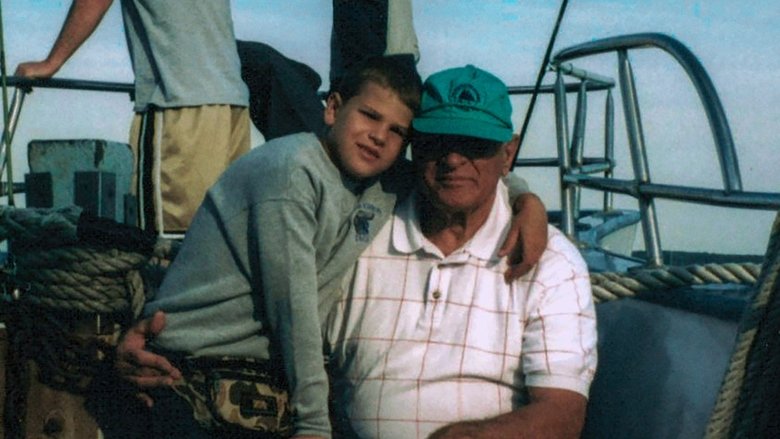
The vast, indifferent ocean

The movie plays less like straight procedural nonfiction than like a rich-family tragedy with salt air in its lungs. The Chakalos family sits at the center of it, along with a $42 million fortune that starts to feel less like wealth than contamination. Motskin, who also made the UFO docuseries Encounters, has a real feel for people trying to explain experiences that sit just beyond ordinary language.

He doesn’t rush to offer a clean thesis here. If you want a neat answer, the film can be maddening. What it gives you instead is atmosphere: empty rooms, unfinished houses, the Atlantic rolling dark in the background.

And hanging over all of it is the fact that Nathan, the central suspect, died by suicide in prison before his trial in 2023, taking any chance at final clarity with him.

The most charged material comes from the interrogation footage and the selective reenactments. Logan Markus, stepping in to physically embody Carman in the dramatized sections, does something clever by hardly seeming to perform at all. He doesn’t play Nathan as some cool mastermind.

He plays him like a shut door. In the interview-room scenes, his shoulders stay lifted, defensive, rigid, and almost emptied of what investigators expected grief to look like. That stiffness rhymes uncomfortably with Nathan’s own archival audio, which stays flat and literal in ways the people around him seem unable to process.

The film quietly but unmistakably points toward the justice system’s failure here. Nathan was diagnosed with autism as a child, and the investigators around him appear to read neurodivergence itself as evidence. They wanted tears, panic, visible disorder.

When they got clipped answers instead, they saw a killer.
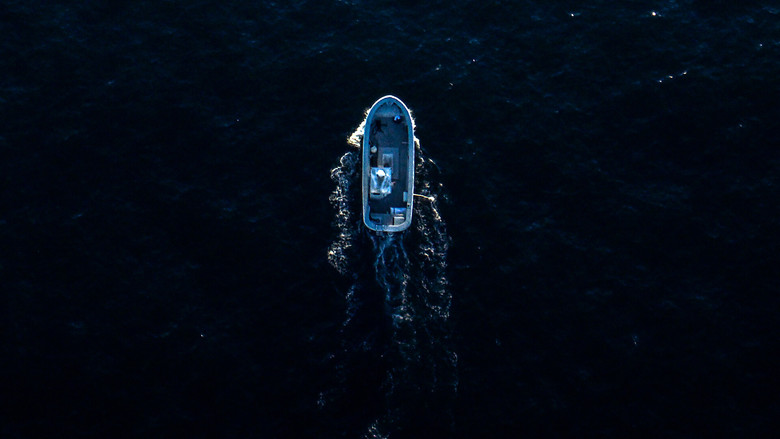
A tense interrogation room

One sequence in particular lodged itself in my head. It revisits the 2013 murder of Nathan’s grandfather, John Chakalos, the unsolved killing that first placed Nathan under suspicion. The editing slows almost to a stop.

Home-video Christmas footage of the family laughing together gets laid beside grim crime scene images, and Motskin has the sense not to bully the moment with music or obvious effects. The sound simply falls away. What’s left is a smiling, wealthy family already moving toward disaster without knowing it.

The Bangkok Post complained that the film "leaves the viewer suspended between too many unanswered questions," but that suspended feeling seems to be the whole point. This is a story in which certainty collapsed long ago.

I kept turning the case around even after the credits. Maybe Nathan was exactly what prosecutors believed: a calculating killer who sank his mother for access to part of that $42 million inheritance. Or maybe he was a traumatized, misunderstood young man who survived a terrible accident only to be interpreted, pursued, and eventually broken by a system terrified of difference.

What The Carman Family Deaths finally leaves behind isn’t a verdict. It’s a heavy, melancholy picture of a family coming apart by degrees. The money stayed where it was, safe in accounts and trusts, while the people orbiting it ended up dead, jailed, or gone beneath the water.

Motskin closes by making us look back out at the sea, and it lands like a reminder that the ocean never feels obliged to explain itself.

Audience Opinions

Audience 5.5/10
"A gripping real-life case flattened into a speculative, clumsily structured documentary that mishandles autism and feels exploitative."

The story itself keeps interest, with the sea rescue, family wealth, and unresolved questions about guilt giving the film an undeniably intriguing core. The execution is weak: the film leans heavily on cops and relatives speculating without hard evidence, piles on talking heads, and treats autism in a way that feels ignorant and harmful. The result comes off as amateurish and exploitative rather than a carefully built investigation, leaving many unconvinced by its treatment of both the case and Nathan Carman.

What viewers praise
  • Inherently compelling case The combination of a dramatic ocean rescue, a wealthy family feud, and unanswered questions about two deaths keeps the narrative inherently engaging.
  • Thought-provoking moral questions Raises difficult questions about inheritance, motive, and how much evidence is enough to decide whether Nathan is guilty.
  • Reveals interview missteps Shows deeply flawed and uncomfortable police interview techniques used on an autistic teenager, which some find eye-opening.
Common complaints
  • Damaging autism handling Frames autism through crude, simplistic beliefs, with one side treating Nathan as incapable of basic tasks and the other denying his neurodivergence altogether.
  • Speculation over evidence Spends much of its runtime on cops and relatives voicing gut feelings and theories rather than grounding the story in solid proof.
  • Confusing talking-head overload Relies on so many interview subjects that it becomes hard to track who is speaking or why their perspective matters.
  • Exploitative tone The focus on sensational angles, abrupt ending, and lack of a clear purpose make the treatment of the tragedy feel exploitative rather than empathetic.
  • Clumsy, rushed structure Jumps into the story as if it is already underway, skims important context, and comes across as amateurishly assembled rather than thoroughly told.
Recommended for
True-crime completists Inheritance-dispute story fans Autism-and-criminal-justice researchers

Full Plot (Spoilers)

Spoiler warning

This section contains the full plot, including major story reveals. Overview above stays spoiler-free.

Buzz & Rumors

Public reports

The Carman Family Deaths: The True-Crime Doc With More Messy Drama Than a Prestige Soap

A “simple” fishing trip, a rescue at sea, a vanished mother, a dead grandfather, a $29 million fortune, and a Netflix documentary that still left out some of the wildest details. latestnetflix.com's take is that Forget scripted thrillers — the real-world gossip orbiting The Carman Family Deaths is pure, premium chaos.


On-Set & Behind-the-Scenes Vibes

  • Loki Films, the New York–based production company behind The Carman Family Deaths, was hyping the project long before it dropped. They bragged on Instagram about having “been working on it for a long time” and then celebrated when it shot to the #1 film spot on Netflix US right after release — complete with a proud “we’re so proud” flex and behind-the-scenes shoutouts to the crew. - Director Yon Motskin is a bit of a mystery himself — industry coverage and Instagram posts note he’s the same guy behind Netflix’s Encounters, but he keeps a low online profile while his producers do the posting. Fans in true-crime circles have joked that the most elusive character in the documentary is actually the director. - One unintentionally iconic tidbit: Loki Films publicly boasts that their office has a “strict dog policy — there must be at least one [dog] in office at all times”. So yes, somewhere behind this harrowing murder-at-sea doc, there were production meetings being conducted over B-roll, legal notes…and a production dog snoring under the edit desk.

Scandals & Missing-From-the-Doc Bombshells

The messiest drama around this movie isn’t on the set — it’s in what the film didn’t show. People Magazine basically dropped a bonus “director’s cut” of jaw-droppers that never made it on screen:

The 25-year-old ‘Mistress Y’

  • At the time of wealthy real-estate mogul John Chakalos’s 2013 death, investigators identified a much-younger girlfriend in court docs, anonymized as “Mistress Y,” reportedly about 25. - She allegedly received big-ticket gifts: one cited example was a $3,500 casino weekend. She also knew that John kept stacks of $100 bills in the house. - Nathan later suggested in legal filings that this girlfriend might have been involved in his grandfather’s killing, and true-crime writer Casey Sherman is quoted describing her as having a “drug-dealing boyfriend” at the time. None of that made the final cut of the doc.

The Insurance Company That Basically Called BS

  • Two weeks after the boat sank, Nathan filed an $85,000 claim. The insurer, National Liability and Fire Insurance Company, flat-out concluded he wasn’t entitled to coverage because the loss was “caused intentionally” and that the boat was unseaworthy when it left port. - Their records alleged he’d removed a structural bulkhead, taken off trim tabs, and drilled four holes near the waterline, hastily patched with epoxy just hours before heading out with his mom. - The documentary touches on the claim, but critics and viewers on Reddit argue it soft-pedals how damning the insurer’s findings really looked.

The Mysterious Note in Nathan’s Jail Cell

  • When Nathan died by suicide in June 2023 while awaiting trial, a note was found — but his lawyer insists it wasn’t a suicide note, just something linked to prior discussions about the case. - Fans speculate this is one of those “if we ever see it, everything changes” pieces of evidence. So far, we haven’t.

Family Feuds & Legal Bloodsport

The $29 Million Question

  • John Chakalos built a fortune in real estate and nursing homes across New England, leaving behind an estate worth more than $29 million. - Nathan, as Linda’s heir, could have inherited roughly $7 million — but his aunts went full courtroom gladiator. In probate court, they filed a “slayer action” to prevent him from receiving anything, arguing that someone suspected of causing the deaths shouldn’t cash in. - Their attorney publicly framed the move as a moral stand, saying the money should go toward further investigations into John’s murder and Linda’s disappearance.

Dad vs. The World

  • Cosmopolitan reports that Nathan’s father, Clark Carman, stood firmly by his son, telling producers there was “no way” Nathan could have killed his mother. - That unwavering loyalty has become a lightning rod in fan debates: some see a devastated parent in denial, others think it’s another layer of the family’s “Greek tragedy” narrative Netflix keeps pushing.

Fan Theories, Reddit Obsessions & TikTok Meltdowns

“Who the hell is Michael?”

  • One of the biggest Reddit obsessions: viewers noticed that Linda’s house was reportedly left to someone named “Michael,” yet the film never explains who this person is or why he mattered. - True-crime subreddits are full of threads asking if “Michael” is a secret boyfriend, a close friend, or some kind of missing puzzle piece. No confirmation yet — just a lot of armchair detective energy.

Did the doc go too soft?

  • A highly upvoted review on r/Netflixwatch calls The Carman Family Deaths “one of the best” true-crime docs but slams it for “theories more than facts” and glossing over some of the harshest implications of the evidence. - Decider’s review also gently drags the doc for its “both-sides-ism,” saying it doesn’t give viewers much more than what public reporting already offered.

TikTok: Team Guilty vs. Team Reasonable Doubt

  • True-crime TikTok accounts like @heartstartspounding have multiple viral clips focused on the case, with commenters arguing over whether anyone could realistically survive eight days at sea under those conditions or whether Nathan’s explanation of how the boat sank makes sense at all. - Other TikToks and Instagram reels lean hard into the autism angle, debating whether investigators and the documentary itself misread Nathan’s affect and communication style.

Wild Trivia & Off-Screen Connections

  • The documentary is based in part on a feature article Evan Lubofsky wrote for WIRED; he later came aboard as a producer/consultant and has spoken at universities about the case and how the film reshaped the narrative. - ABC’s 20/20 and multiple networks had already chewed over this saga, but Netflix’s version is the one that finally turned it into a streaming-era watercooler topic, with Facebook fan groups comparing it to The Good Son and trading spoiler-filled breakdowns. - Netflix’s own promo copy calls the story a “modern-day Greek tragedy” and frames the rescue-at-sea moment as the opening act of a much darker inheritance drama. Fans would say that’s putting it mildly.

Entertainment rumors and trivia aggregated from public reporting. Treat speculation as unverified unless a cited source confirms it.

More titles in the same genres and with the same cast.