Chris Watts
Self

Using raw, firsthand footage, this documentary examines the disappearance of Shanann Watts and her children, and the terrible events that followed.
Official
I’ve watched American Murder: The Family Next Door three times now, and each viewing leaves me with the same unsettling aftertaste—not of horror, exactly, but of something more insidious. The film doesn’t rely on jump scares or gory reenactments to unsettle you. Instead, it does something far more disturbing: it lets the mundane speak for itself.
A text message here, a Facebook post there, the kind of digital detritus we all produce daily, now repurposed as evidence of a life unraveling. The effect is less like watching a true-crime documentary and more like scrolling through a stranger’s phone after they’ve vanished. You shouldn’t be here.
But you can’t look away.
Director Jenny Popplewell’s choice to construct the film entirely from archival material—police body cam footage, home videos, social media posts, text messages—isn’t just a stylistic quirk. It’s a moral decision. By refusing to add voiceover narration, talking-head interviews, or dramatized reenactments, she forces the audience into the role of investigator, piecing together the story in real time alongside the police.
The absence of a guiding voice isn’t just a narrative device; it’s a statement. This isn’t a story that needs embellishment. The facts, as they emerge, are damning enough on their own.
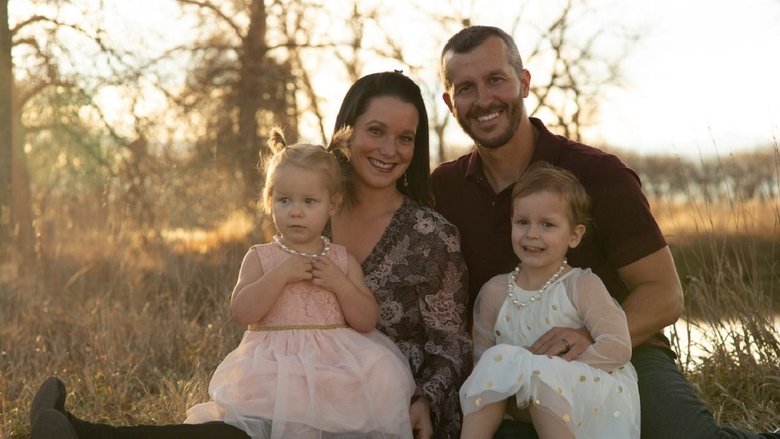
The film’s opening minutes are a masterclass in misdirection. We see Shanann Watts, pregnant with her third child, posting cheerful updates on Facebook: family outings, workout selfies, videos of her daughters, Bella and Celeste, giggling in the backseat of the car. The camera lingers on these moments, letting them breathe, and for a while, it’s easy to mistake American Murder for a portrait of domestic bliss.
But then the cracks begin to show. A text from Shanann to her friend Nickole Atkinson, sent just days before her disappearance: "I’m so exhausted. I don’t know how much longer I can do this." The words hang in the air, unanswered.
The film doesn’t need to tell you what they mean. You already know.
Popplewell’s editing is surgical in its precision. She juxtaposes Shanann’s social media posts—curated, cheerful, aspirational—with the raw, unfiltered reality captured in police footage. In one scene, we watch Chris Watts, Shanann’s husband, being interviewed by detectives.
He’s calm, almost eerily so, his answers measured and rehearsed. The camera holds on his face, searching for a tell, a flicker of guilt. There’s nothing.
Just the blank, unreadable expression of a man who has spent years perfecting the art of performance. Meanwhile, in the background, Shanann’s texts to him go unanswered, their desperation growing with each unread notification. The contrast is chilling.
One version of Chris Watts is the devoted family man, the other is a stranger who can’t even muster a reply to his wife’s pleas.
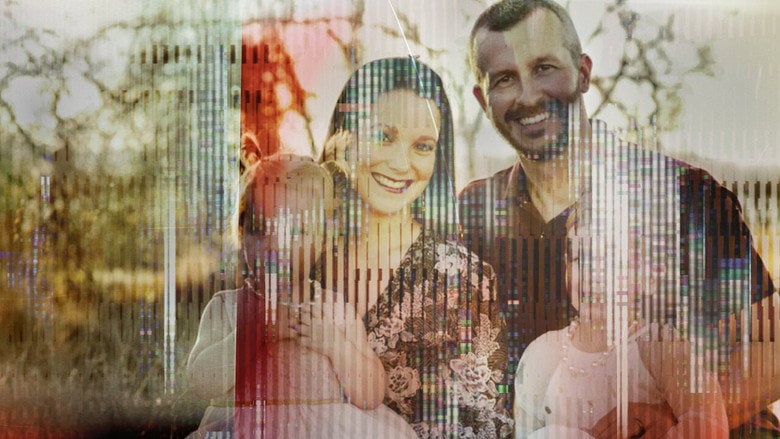
The film’s most devastating sequence comes when the police finally confront Chris with the evidence. The body cam footage is grainy, the audio occasionally muffled, but the tension is unbearable. Chris sits in a small room, his hands clasped together, his voice steady as he denies any involvement in his family’s disappearance.
Then, in a moment that feels like a punch to the gut, the detective slides a photo across the table—a still from a neighbor’s security camera showing Chris’s truck backing into the driveway the night of the murders. The camera zooms in on Chris’s face as the reality of his situation sinks in. His expression doesn’t change.
He doesn’t cry, doesn’t rage, doesn’t collapse. He just nods, almost imperceptibly, and says, "I did it." The banality of the confession is what makes it so horrifying. There’s no grand revelation, no dramatic breakdown.
Just a man admitting to a crime so monstrous it defies comprehension, in the same tone he might use to order takeout.
This is where American Murder transcends the true-crime genre. It’s not just about the crime itself, but about the systems that allowed it to happen—the way social media can be weaponized to create a facade, the way domestic violence thrives in silence, the way we all, to some degree, perform versions of ourselves for an audience. The film doesn’t offer easy answers or psychological explanations for Chris Watts’s actions.
It doesn’t need to. The facts are enough. What it does instead is hold up a mirror to the audience, forcing us to confront the uncomfortable truth that monsters aren’t always lurking in the shadows.
Sometimes, they’re the people posting family photos on Instagram.
The ethical questions raised by American Murder are impossible to ignore. Is it exploitative to repurpose the final, private moments of a woman’s life into a form of entertainment? The film was made with the cooperation of Shanann’s family, which lends it a degree of legitimacy, but that doesn’t entirely silence the discomfort.
There’s a voyeuristic thrill in watching the unraveling of a life, even when that life ends in tragedy. The New York Times called the film "a piercing examination of domestic violence constructed with care and undeniable craft," and while that’s true, it’s also a film that can’t help but feel like an invasion of privacy. The difference, perhaps, is that this invasion is conducted with a purpose.
Popplewell isn’t just sensationalizing a tragedy; she’s using it to expose the cracks in the facade of the "perfect" American family.
In the end, American Murder: The Family Next Door lingers because it refuses to let you look away. It’s not a whodunit—we know who did it from the start. It’s a whydunit, and the answer, if there is one, is far more unsettling than the crime itself.
The film doesn’t offer closure, because real life rarely does. What it does offer is a haunting reminder that the most terrifying stories aren’t the ones that defy belief, but the ones that feel uncomfortably familiar. We’ve all scrolled through someone’s social media feed and envied the life they’ve curated.
We’ve all ignored a text because we couldn’t be bothered to reply. We’ve all, at some point, performed a version of ourselves that wasn’t entirely true. American Murder doesn’t just tell the story of one family’s destruction. It asks what happens when the performance becomes the only thing left.
"A harrowing, deeply unsettling documentary that uses real footage to tell a tragic story, though its emotional weight can be overwhelming."
The documentary takes a raw, unfiltered approach, reconstructing the events leading to the murders from actual home videos, texts, and social media posts. It humanizes the victims and conveys the horror of the crime. The subject matter is very distressing, and the pacing occasionally feels slow or repetitive.
Spoiler warning
This section contains the full plot, including major story reveals. Overview above stays spoiler-free.
Netflix’s American Murder: The Family Next Door (2020) shocked audiences with its unflinching look at one of America’s most harrowing true-crime cases. Directed by Jenny Popplewell, the documentary reconstructs the 2018 murders of Shanann Watts and her two young daughters, Bella and Celeste, at the hands of her husband, Chris Watts. Unlike traditional true-crime docs, American Murder relies almost entirely on raw, unfiltered footage—home videos, social media posts, police body cams, and text messages—to piece together the final days of the Watts family. latestnetflix.com's read is that the result is a haunting, immersive experience that leaves viewers questioning how such a tragedy could unfold in plain sight.
Popplewell’s approach was radical: no talking heads, no reenactments, just the unvarnished truth. The film stitches together Shanann’s Facebook posts, family videos, and even Chris Watts’ own police interrogation footage to create a timeline of events. This method strips away the sensationalism often found in true crime, forcing audiences to confront the banality of evil. The documentary’s power lies in its restraint—there’s no dramatic narration, just the chilling reality of a family’s final moments.
One of the most disturbing sequences comes from Shanann’s social media, where she documented her life with Chris and their daughters. The contrast between her cheerful posts and the horrific outcome is jarring, underscoring how easily deception can hide in plain sight. The film also includes audio from Shanann’s final phone call to her friend Nickole Atkinson, a moment that’s as heartbreaking as it is infuriating.
American Murder was a departure for Popplewell, whose previous work focused on lighter fare. In a rare behind-the-scenes discussion, she and editor James RM Hunt discussed the challenges of crafting a documentary without traditional interviews. The film’s raw, cinéma vérité style was a deliberate choice to let the evidence speak for itself. Hunt revealed that the team spent months sifting through thousands of hours of footage to find the most telling moments—like Chris Watts’ eerily calm demeanor during police interviews, which became a focal point of the film.
The documentary’s release on Netflix in September 2020 coincided with a surge in true-crime viewership, and it quickly became one of the platform’s most-watched documentaries of the year. Critics praised its unflinching approach, with Rotten Tomatoes calling it a "chilling, essential watch". However, some viewers found the lack of commentary frustrating, arguing that the film’s detached style made it harder to process the emotional weight of the case.
The Watts case had already gripped the nation before American Murder premiered, but the documentary reignited public fascination—and outrage. Chris Watts, who pleaded guilty to murdering his family in 2018, is serving multiple life sentences without parole. The film’s release sparked renewed discussions about domestic violence, gaslighting, and the warning signs of familial homicide.
One of the most talked-about moments in the documentary is the inclusion of Shanann’s final text messages, which reveal her growing unease about Chris’s behavior in the days leading up to the murders. These messages, combined with the couple’s home videos, paint a devastating portrait of a marriage unraveling in real time. The film also highlights the role of Shanann’s friends and family, particularly Nickole Atkinson, who raised the alarm when Shanann and the girls went missing.
Despite its critical acclaim, American Murder has its detractors. Some argue that the documentary exploits a real-life tragedy for entertainment, while others believe it fails to provide deeper context about the psychological factors at play. Still, its impact is undeniable—it’s a stark reminder of how easily love can turn to horror.
American Murder: The Family Next Door is available exclusively on Netflix, where it remains one of the platform’s most-watched true-crime documentaries. The film’s trailer, which teases the chilling police interrogation footage, has racked up millions of views across YouTube. For those who can stomach its intensity, it’s a gripping—if deeply unsettling—watch.
Entertainment rumors and trivia aggregated from public reporting. Treat speculation as unverified unless a cited source confirms it.
More titles in the same genres and with the same cast.