
Mr. T
Self

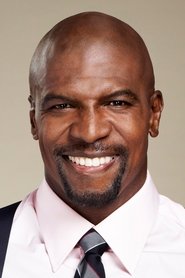
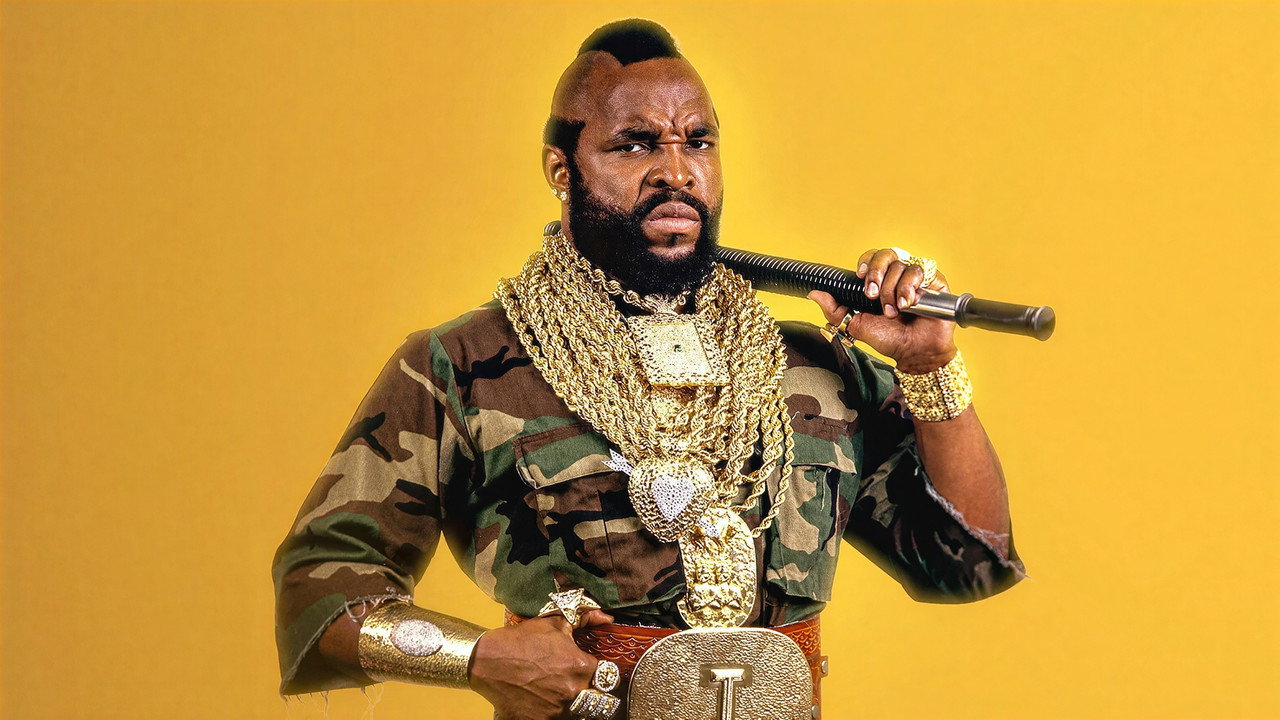
Before the gold chains, mohawk, and Hollywood fame of The A-Team and Rocky III, there was Laurence Tureaud. This is the extraordinary origin story behind one of the most unlikely and beloved icons in entertainment — Mr. T.
Official
Untold Mr. T: I Pity the Fool is the most disciplined entry in Netflix's Untold cycle because it refuses to laugh along with the catchphrase.
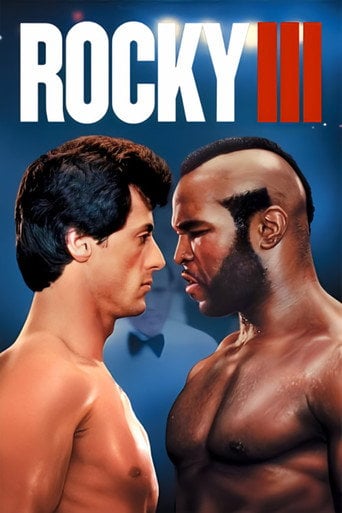
The 48-minute documentary directed by Scott Weintrob starts where the legend usually stops. Before Clubber Lang snarled in Rocky III and before B.A. Baracus tossed soldiers around a van in The A-Team, there was Laurence Tureaud, a kid from poverty on Chicago's South Side trying to turn size and presence into protection.
That poverty-to-fame arc has been told before in highlight reels. Here it plays as motive. Fame was not luck.
Work as a bouncer and bodyguard, football discipline, military bearing and a highly intentional image hardened into a shield that let a Black man from a rough neighborhood move through Hollywood on his own terms.
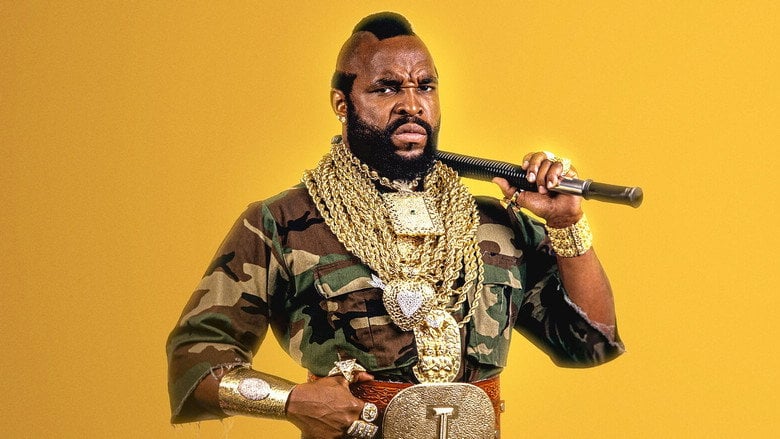
The central argument holds together because the film keeps persona and person in tension. The mohawk and gold chains read at first as excess. Weintrob presents them as language.
Gold recalled ancestral weight and street survival at once. The haircut borrowed from Mandinka warriors reframed intimidation as heritage. The clipped growl — pity for the fool who tested boundaries, functioned as a rule for engagement.
The film allows Mr. T to explain that construction without sanding off its strangeness. Archival clips show talk-show hosts expecting a clown and finding a preacher of self-respect instead.
The joke was never on him. He controlled the terms of the joke.
Brevity helps. At under an hour, there is no room for the usual childhood-to-comeback bloat. Common Sense Media described it as “a riveting, concise sports documentary about the life and legacy of the 1980s pop culture icon”, and the concision is the point.
Scenes cut quickly from South Side streets to nightclub doors to soundstages, tracing how physical labor became performance labor. The camera lingers less on trophies than on posture: arms crossed, chin down, eyes direct. That stance sold tickets, yet the film suggests it started as a way to keep a mother and siblings safe and to demand the mister that Laurence added to his name when respect was denied.
What distinguishes the portrait is its attention to faith and refusal. Mr. T walked away from roles that required humiliation.
He turned down parts that asked him to soften or to mock the image he had built. He spoke about illness and belief with the same bluntness he brought to interviews. The documentary does not resolve those choices into a lesson about branding.
It treats them as continuity. The man who once ejected troublemakers from clubs applied the same code to studios. Respect was non-negotiable.
Payment had to match principle. The throughline from South Side door work to prime-time television feels direct rather than mythic.
There are gaps that a longer film might have filled around wrestling years and later financial strain, but the narrow focus gives the ending its force. Instead of a montage of honors, the film returns to Tureaud talking about responsibility to kids who saw themselves in him. The icon who seemed frozen in the eighties becomes legible as an educator in pads and chains, someone who understood that visibility could be used as shelter.
Early audience response has been warm, with a 7.9 mark from a small sample of votes, which fits a film that rewards affection with substance rather than nostalgia bait.
I don't buy the tidy uplift of the final minute.
"A short Untold portrait that lets Mr. T tell his own story, but it flies by too fast."
This Netflix Untold entry from director Scott Weintrob is about the man behind the catchphrase. A documentary portrait with a sports angle, it has Mr. T talking about his own life in a raw, unfiltered way, a glimpse behind the flashy appearance. At under 50 minutes it's an easy watch, but egregiously short for such a rich and compelling story.
Untold Mr. T: I Pity the Fool landed on September 8, 2026, the third film in a short Untold batch after Vince Young and Raygun. Scott Weintrob directed. WWE Films is on the production line, with Paul "Triple H" Levesque among the executive producers. Netflix's title page files it as a 2026 TV-MA documentary, the origin story of Laurence Tureaud before the gold and the mohawk. The official trailer sells the chains, the Robert Taylor Homes, and the Rocky III phone call. Mr. T, 74, sat for the cameras from Easter 2025. He told Simon Hattenstone at The Guardian he did not see the finished cut until a month before release. "It's garbage. You build me up, then you try to punk me out". latestnetflix.com's view is that The Los Angeles Times ran the same quotes the next day.Netflix had no comment.
The fight is about who gets to talk. Mr. T said his pastor, the Rev. Henry Hardy, was interviewed for two days and got about 30 seconds on screen. He said he told Weintrob not to include former agent Peter Young because they had a lawsuit. Young is in the film anyway, talking about Freaked, the Bearded Lady, and "bad decisions." Young told The Guardian, "Please give Mr T my best, and let him know I forgive him". Weintrob and Netflix declined to comment,. Lucy Mangan's Guardian review called the film slight and rushed, about 50 minutes, and said the hard-man emphasis reads like an agenda even before you hear the publicity tour. Decider timed it at 48 minutes and noted the subject had already trashed the doc in the papers.
Mr. T's version of the life is specific. He legally made the first word out of anyone's mouth "Mister" after watching his father and a Vietnam-veteran brother get called boy. He says he left the spotlight because he had already bought his mother a house and pretty dresses, not because cancer and ego pushed him out,. He wanted the Army years in the cut. He wanted Make-A-Wish. He wanted Midnight Mission sermons from the Rocky III period, not the white-limousine gripe. "What's wrong with white limousines? Shouldn't I have a choice of colour?". A Netflix publicist on the Guardian call messaged Hattenstone to change the subject. Mr. T did not.
At the end of that interview he said there is a woman, they are about to get married, and he would not give her name. That is more life than the Untold hour had room for. The catchphrase is in the title. The man who coined it is still arguing with the edit.
Entertainment rumors and trivia aggregated from public reporting. Treat speculation as unverified unless a cited source confirms it.
More titles in the same genres and with the same cast.