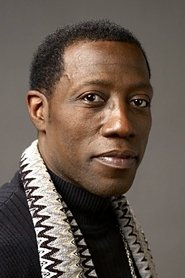
Wesley Snipes
Neil Shaw

“He's back... and he wants revenge”
Agent Neil Shaw is called out of retirement and finds himself in the midst of a plot to assassinate several leading Senators with himself set-up to take the rap for a recent killing
Official
I remember the first time I saw Wesley Snipes on screen—it wasn’t in Blade, though that’s where most people would point. It was New Jack City, and there he was, Nino Brown, all sharp suits and sharper edges, a man who moved like he was already three steps ahead of the law, the camera, even the audience. There was a physicality to him, a way of occupying space that made you believe he could dismantle a room with his bare hands if he wanted to.
By 2008, when The Art of War II: Betrayal slunk onto shelves, Snipes was still that man in theory, but the world around him had changed. The direct-to-video label wasn’t just a distribution quirk; it was a kind of cinematic purgatory, a place where action heroes went when their moment had passed but their contracts hadn’t.
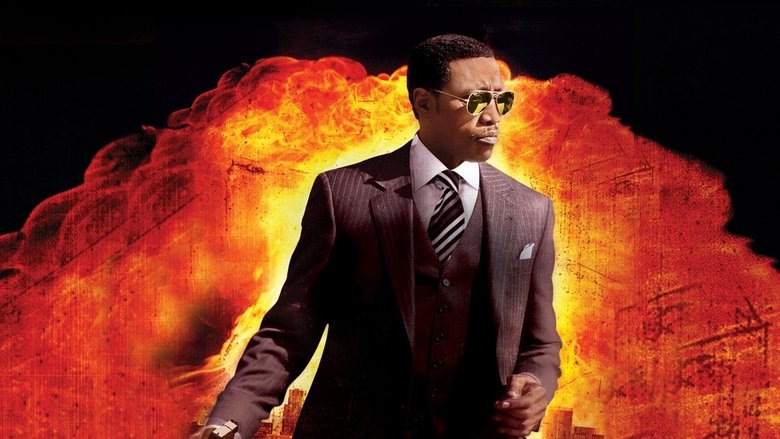
This is a film that doesn’t so much open as it does appear—like a file dropped on your desk with a thud, no context, just a name you recognize and a promise of violence. Neil Shaw, the secret agent played by Snipes, is pulled out of retirement (or whatever passes for retirement in the life of a man who fakes his own death for a living) to stop a plot to assassinate senators. The setup is pure genre shorthand: a man wronged, a conspiracy unspooling, a body count rising.
But what’s striking isn’t the plot—it’s the way the film doesn’t bother to sell it to you. There’s no slow burn, no world-building, no attempt to make you care about the stakes beyond the fact that, well, people are shooting at each other. It’s as if the film assumes you’ve already seen the first Art of War (or at least its cover art) and are here purely for the muscle memory of it all.
Josef Rusnak, the director, has made a career out of this kind of thing—films that exist in the shadow of bigger, louder, more expensive versions of themselves. His The Thirteenth Floor (1999) was a Matrix knockoff that somehow stumbled into its own eerie charm, but by the time he got to The Contractor (2007), another direct-to-video actioner, the formula had calcified. The Art of War II feels like a film made on autopilot, where the only real question is whether the fight choreography will be serviceable or actively bad.
(Spoiler: it’s the former, barely.) There’s a scene early on where Shaw takes out a room full of assassins in a hotel lobby, and it’s shot with all the urgency of a man checking off a to-do list. The camera lingers just long enough to see Snipes land a kick, but not long enough to make you feel it. The sound design is similarly perfunctory—punches land with the weight of a wet sock, and gunshots are so muffled they might as well be coming from the next room over.
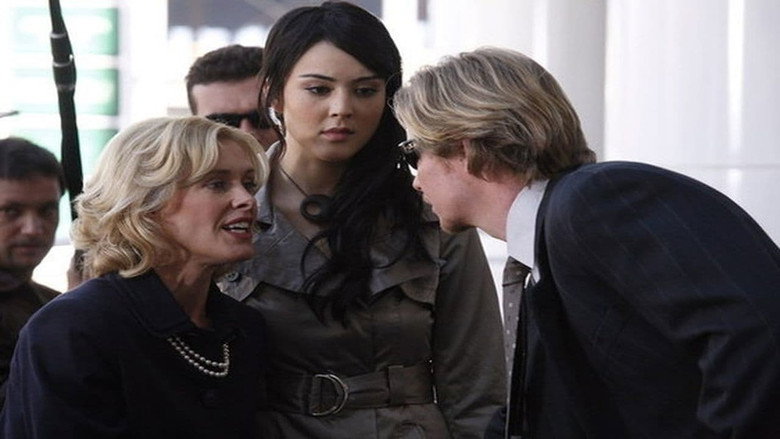
And yet. There’s something almost fascinating about the way Snipes moves through this movie. He’s not phoning it in—at least, not entirely.
There’s a stillness to him, a way of holding his body that suggests he’s either deeply bored or deeply aware of how ridiculous this all is. In one scene, he’s tied to a chair while a villain monologues about betrayal, and Snipes doesn’t even bother to struggle. He just sits there, listening, like a man waiting for a particularly dull meeting to end.
It’s the kind of performance that makes you wonder if he’s in on the joke or if he’s just that good at pretending this matters. (I suspect it’s the latter.)
The film’s title promises betrayal, but the real betrayal here is the one the audience has to perform: the act of pretending this is anything more than a contractual obligation. There’s no thematic weight to the story, no deeper commentary on espionage or loyalty. It’s just a series of set pieces strung together by the thinnest of plots, like a child’s drawing of a spy movie.
The villains are forgettable, the dialogue is functional at best, and the twists are telegraphed so far in advance you could set your watch by them. At one point, a character is revealed to be a traitor, and the film treats this like it’s supposed to be a shocking reveal. It’s not.
It’s the cinematic equivalent of a shrug.
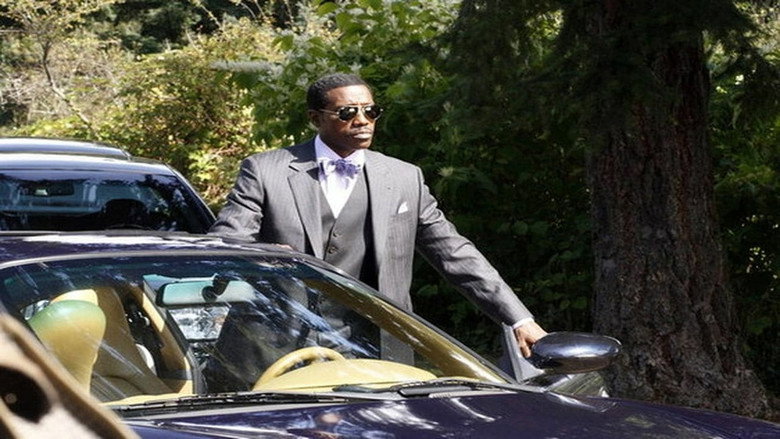
What’s most interesting about The Art of War II: Betrayal isn’t the film itself, but what it represents—a moment when the action genre, once a reliable theatrical draw, had been relegated to the bargain bin. This wasn’t just a sequel; it was a surrender. The original Art of War (2000) had at least tried to be a Bourne Identity knockoff with a little more style.
By the time this sequel rolled around, the ambition had been drained out of it, leaving behind only the skeleton of what an action movie used to be. It’s not bad in the way a bad movie is bad—full of misguided passion or overreaching ambition. It’s bad in the way a fast-food burger is bad: it fills the hole, but you’re left wondering why you bothered.
I keep coming back to that stillness in Snipes’ performance, though. There’s a moment near the end where he’s standing over a body, and for a second, the camera holds on his face. He’s not gloating, not celebrating.
He just looks tired. Maybe that’s the real betrayal here—not the one in the plot, but the one the film commits against its own star. Snipes was once a leading man who could carry a movie with nothing but a glare.
Here, he’s reduced to a man going through the motions, waiting for the next cut, the next paycheck, the next direct-to-video oblivion. The tragedy of The Art of War II: Betrayal isn’t that it’s a bad movie. It’s that it’s a movie that doesn’t even care enough to be bad in an interesting way.
"A forgettable direct-to-video sequel that fails to recapture the original's appeal, relying too heavily on Wesley Snipes' presence."
This sequel lacks the depth and excitement of its predecessor and feels like a low-budget effort. The action and thriller elements are uninspired, and the plot is convoluted and predictable. Wesley Snipes' performance is still a highlight, but it can’t lift the film.
Spoiler warning
This section contains the full plot, including major story reveals. Overview above stays spoiler-free.
Wesley Snipes’ action-packed return as secret agent Neil Shaw in The Art of War II: Betrayal (2008) was a rare bright spot for the actor during a turbulent period in his career. The film, a direct-to-video sequel to the 2000 thriller The Art of War, arrived eight years after the original and marked Snipes’ first major on-screen role following a string of legal and financial troubles. latestnetflix.com's view is that Directed by Josef Rusnak—best known for the cult sci-fi flick The Thirteenth Floor—the movie leaned into its low-budget roots but delivered exactly what fans of the franchise expected: high-stakes espionage, betrayal, and Snipes’ signature mix of charm and lethality.
The Art of War II: Betrayal was never destined for theaters. Like many action sequels of the 2000s, it went straight to DVD, a decision that reflected both Snipes’ diminished industry leverage at the time and the shifting economics of direct-to-video releases. The original Art of War (2000) had been a modest hit, grossing over $40 million worldwide, but by 2008, Snipes was embroiled in a highly publicized tax evasion case that would eventually land him in prison. Despite the legal cloud hanging over him, Snipes reprised his role as Shaw, a rogue operative caught in a web of conspiracy and double-crosses.
Rusnak, a German director with a knack for genre films, took the helm, bringing a workmanlike approach to the material. His filmography—including The Thirteenth Floor (1999) and The Contractor (2007), another direct-to-video actioner—suggested he was comfortable with tight budgets and high-concept thrillers. For Betrayal, Rusnak delivered a serviceable, if unremarkable, sequel that played to Snipes’ strengths as an action star while avoiding the pitfalls of overambitious storytelling.
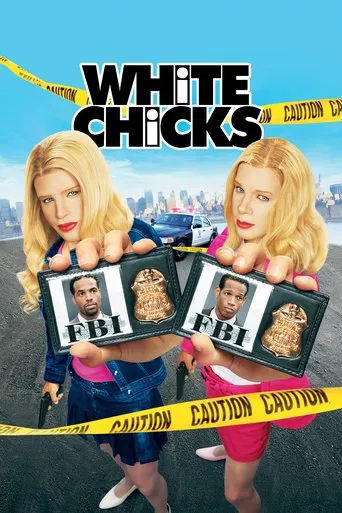
Snipes was the undisputed star, but Betrayal assembled a supporting cast that blended relative unknowns with recognizable character actors. Lochlyn Munro, best known for his role in White Chicks (2004), played a fellow operative, while Athena Karkanis—later of The Expanse fame—portrayed a key ally in Shaw’s mission. The ensemble also included Winston Rekert, a veteran Canadian actor, and Rachel Hayward, who had appeared in Rusnak’s The Contractor the year prior.
The chemistry among the cast was functional, if not electric. Snipes, ever the professional, carried the film with his trademark swagger, even as the script leaned heavily on his established persona. The movie’s 103-minute runtime flew by, thanks in part to its brisk pacing and a plot that kept Shaw on the move—both literally and figuratively—as he navigated a labyrinth of deception.
Critically, The Art of War II: Betrayal was met with a shrug. Review aggregators like SensCritique gave it a lukewarm 3.3/10, with users citing its predictable plot and lack of innovation. For comparison, Rusnak’s The Contractor (2007) fared slightly better with a 3.8/10, suggesting that Betrayal was neither a disaster nor a standout in his filmography.
That said, the film found an audience among action enthusiasts and Snipes loyalists. Its direct-to-video release meant it avoided the harshest scrutiny of theatrical critics, and for fans of the original, it was a welcome, if minor, return to the world of Neil Shaw. The movie’s trailer and promotional materials—including a Czech TV promo—hyped Snipes’ return, framing Betrayal as a continuation of the high-octane espionage that had defined the first film.
Today, The Art of War II: Betrayal is largely forgotten, overshadowed by Snipes’ legal troubles and the broader decline of mid-budget action sequels. It never spawned another installment, and the franchise effectively ended with this entry. For Rusnak, it was another notch in a career defined by genre films, none of which reached the cult status of The Thirteenth Floor.
Yet, for a brief moment in 2008, the movie offered a glimpse of Snipes back in action, doing what he did best: playing a rogue operative with a moral code and a license to kick ass. In an era where direct-to-video sequels were becoming increasingly rare, Betrayal was a throwback—flawed, but undeniably entertaining for those who sought it out.
Entertainment rumors and trivia aggregated from public reporting. Treat speculation as unverified unless a cited source confirms it.
More titles in the same genres and with the same cast.