Somphol Rungphanit
Petch
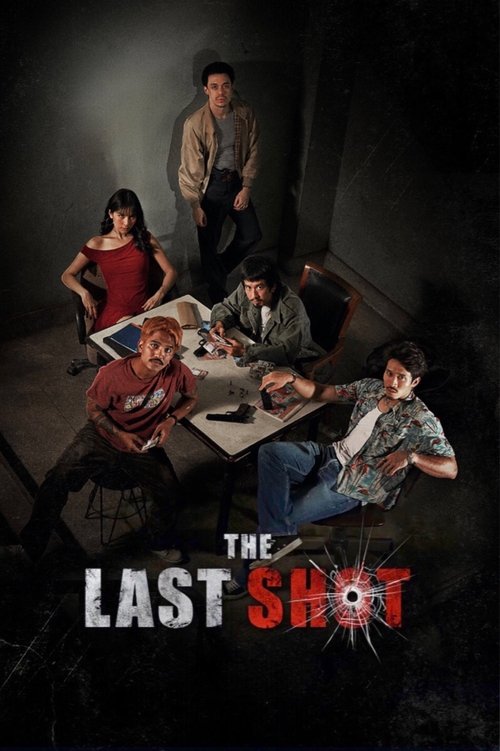
“One last bullet, It's do or die.”
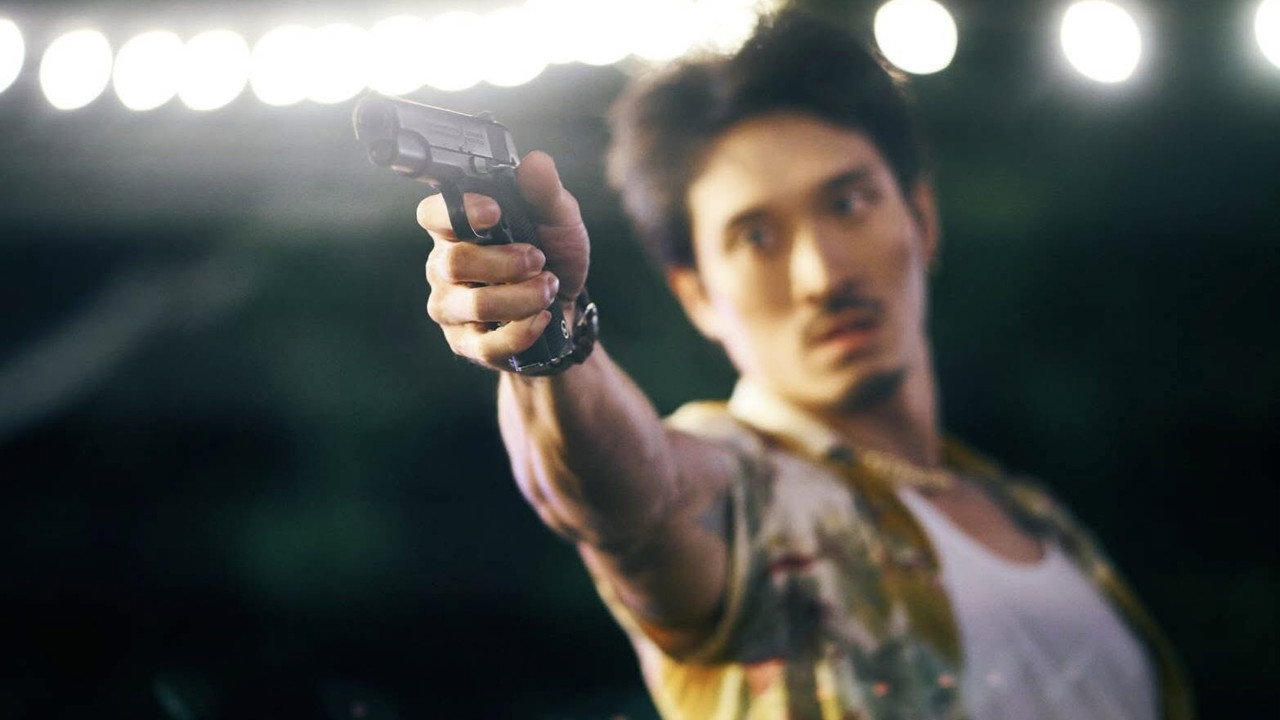
Petch wants out of the assassin's life, but escaping the past isn't easy. Torn between love, loyalty, and revenge, he's forced into one last job. With every shot, the stakes rise—his future and freedom rest on the final bullet.
I’ve seen this movie before. Not The Last Shot specifically—though I’ve now watched it twice, once with subtitles and once without, just to make sure I wasn’t missing some linguistic nuance in Petch’s weary sighs—but the idea of it. The hitman who wants out.
The one last job. The bullet with his name on it. It’s a story so familiar it feels like a folk tale, something passed down through generations of action cinema, from Le Samouraï to John Wick, with stops in Bangkok, Hong Kong, and the neon-lit back alleys of a thousand direct-to-video knockoffs.
And yet, here’s the thing: even when a film doesn’t surprise you, it can still move you. The question is how.
Puttipong Nakthong’s The Last Shot doesn’t reinvent the wheel, but it does something rarer—it reminds you why the wheel was invented in the first place. This is a film about the weight of violence, not its glamour. The camera lingers on Petch’s hands, not when they’re wrapped around a gun, but when they’re trembling over a glass of whiskey, or when they’re gently adjusting the collar of his lover’s dress before a wedding.
There’s a quiet, almost domestic dread to these moments, the kind that seeps into your bones. You know what’s coming. You’ve seen it before.
But that doesn’t make it any less painful when it arrives.

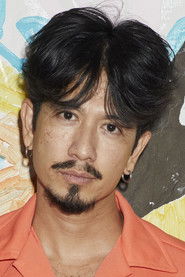
The film’s greatest strength is its lead, Somphol Rungphanit, who plays Petch with a weariness that feels earned. He’s not a brooding antihero or a charismatic killer—he’s a man who’s tired of himself. Rungphanit’s performance is all in the small things: the way his shoulders slump when he’s alone, the way his eyes flicker with something like regret when he looks at his lover, the way his voice cracks when he says, “I just want to be normal.” It’s a performance that doesn’t rely on grand gestures or explosive action sequences (though there are a few of those, and they’re well-choreographed).
"A gritty Thai hitman drama with stylish atmosphere and standout moments that never fully overcome its predictable story and sagging pace."
Screen presence from the lead and a scene-stealing turn by Uncle To, along with a grounded underworld setting and some emotional high points, keep the film engaging in stretches. At the same time, the one-last-job narrative feels overly familiar, with slow early pacing, a divisive ending, underwritten relationships, and technical choices like heavy scoring and loud sound that blunt its impact.
A hitman in Thailand. A grieving kid on a Nashville basketball court. Two very different films, one shared title: The Last Shot. Fans went hunting for scandals, feuds and secret hookups… and discovered something far rarer in Hollywood: two productions that are almost squeaky clean. But don’t put your popcorn away yet — there is some fun, low-key tea to sip.


 That’s led some viewers to speculate (unconfirmed) that there might be longer cuts or deleted ending material sitting on a hard drive somewhere, especially since festival writeups describe the film as a 2026 cut, slightly different from the 2025 theatrical version.[8][9]
Is any of this the explosive, TMZ‑ready chaos you might crave? Honestly, no. But in a landscape of messy cancellations and endless “on‑set nightmare” exposés, the real twist is this: both versions of The Last Shot seem to have pulled off something almost impossible in 2025 Hollywood — they made their movies, kept their cast happy, and let the drama stay on screen, where it belongs.
Entertainment rumors and trivia aggregated from public reporting. Treat speculation as unverified unless a cited source confirms it.
Movies
Related titles ranked by rating and popularity.
No similar movies found
Check back later for new content