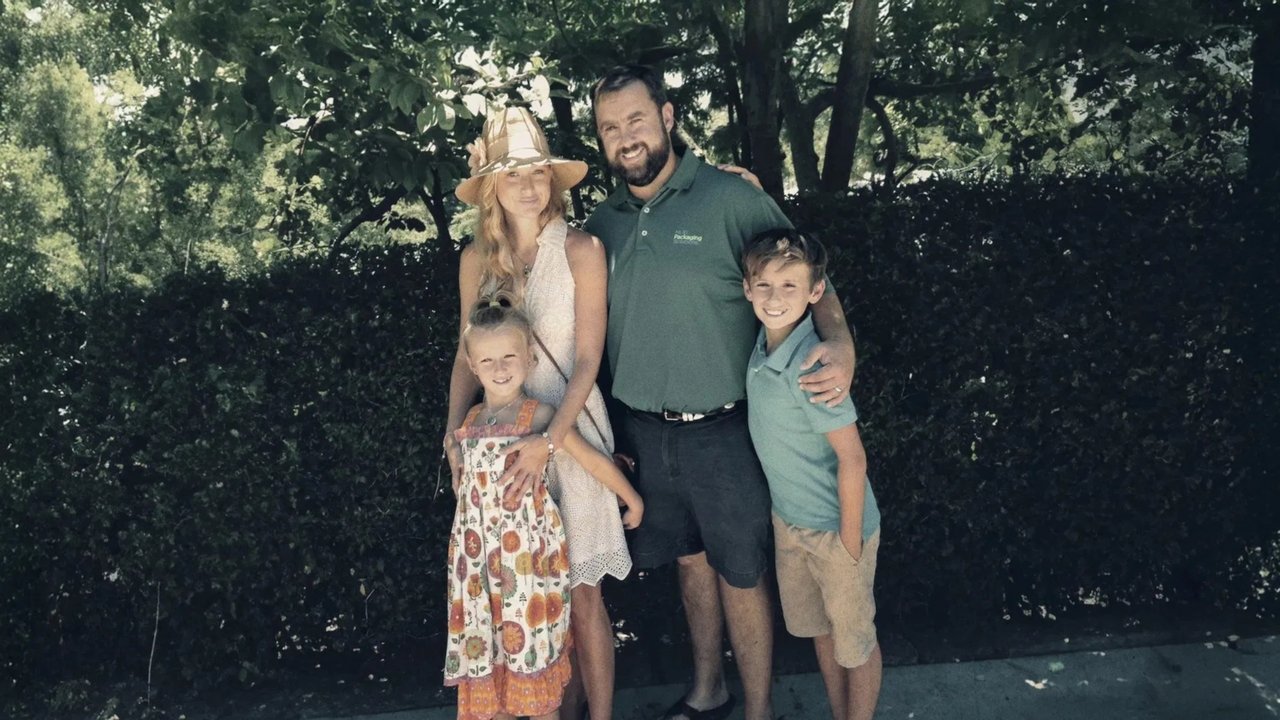

Jason Corbett
Self (archive footage)
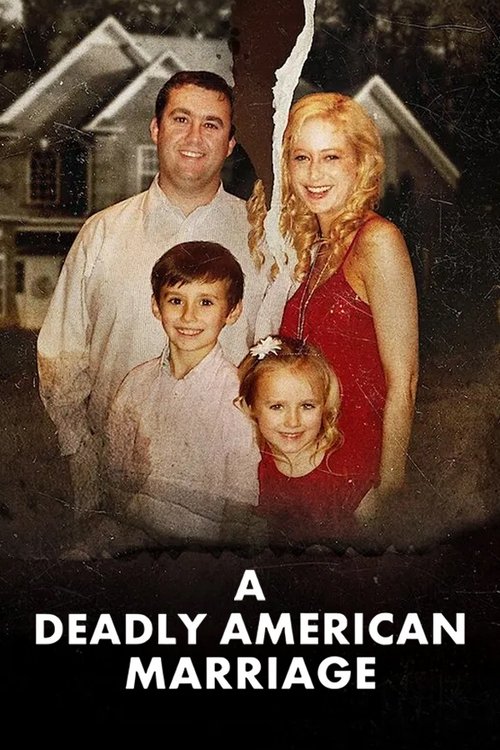
A chilling 911 call. A gruesome scene. What really happened inside a family's quiet suburban home? Murder or self-defense? Told from both sides, this documentary explores Jason Corbett's brutal death.
I’ve watched A Deadly American Marriage twice now, and both times I’ve come away with the same unsettling feeling: this isn’t just a documentary about a murder. It’s a documentary about how stories are constructed, how families fracture along narrative lines, and how the truth—if it exists at all—gets buried under layers of grief, legal maneuvering, and the quiet, insistent voices of those who refuse to stay silent.
Jenny Popplewell and Jessica Burgess, the directors behind Netflix’s American Murder: The Family Next Door, know how to build tension from archival footage and talking-head interviews. But here, they’ve taken on a case that resists easy resolution, and the result is a film that lingers like a bruise—painful to touch, impossible to ignore.
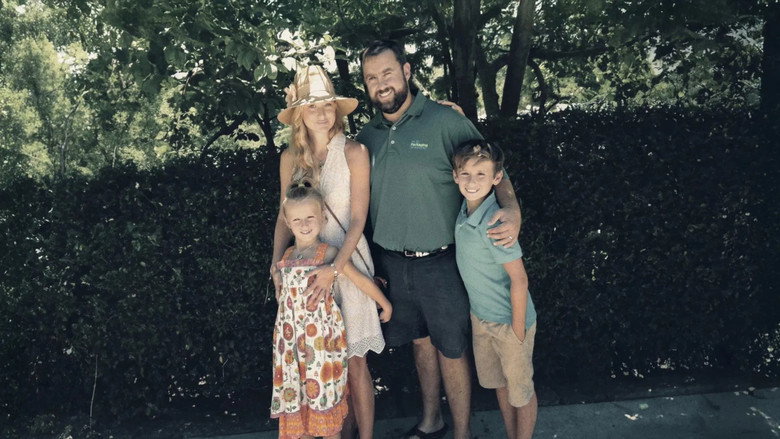
The film opens with a 911 call that’s difficult to listen to, not just because of what’s being said, but because of what isn’t. A woman’s voice, calm but strained, reports an intruder. The dispatcher asks if anyone is hurt. “Yes,” the woman replies. “My husband.” The call cuts off, and we’re left with the sound of static, a metaphor for the gaps in this story that will never be filled.
From the outset, A Deadly American Marriage positions itself as a mystery, but it’s not the kind of mystery that can be solved with a single revelation. This is a story about competing truths, and the film’s greatest strength—and its most frustrating flaw—is its refusal to pick a side.
Popplewell and Burgess have structured the documentary like a legal thriller, with each act peeling back another layer of the case. We meet Jason Corbett, an Irish widower who moved to North Carolina with his two young children, Jack and Sarah, after the death of his first wife. We meet Molly Martens, the American au pair he hired and later married, and her father, Tom Martens, a former FBI agent with a quiet intensity that’s hard to read.
The film lets them tell their stories in their own words, and at first, it’s easy to be drawn in by their accounts of a marriage unraveling under the weight of Jason’s alleged controlling behavior. Molly describes him as volatile, possessive. Tom insists he acted in self-defense, that Jason was the aggressor that night.
Their testimonies are delivered with a conviction that’s hard to shake, even when the facts start to contradict them.
But then the film pivots, and we hear from the other side. Jason’s sister, Tracey Lynch, and her husband, David, paint a very different picture—one of a devoted father whose children were being manipulated by Molly, a woman they claim was more interested in controlling the family’s assets than in being a stepmother. The children themselves, now teenagers, speak haltingly about their memories of that night, their voices heavy with guilt and confusion.
"A chilling yet uneven documentary that struggles to balance emotional depth with investigative clarity."
The film draws attention for its disturbing real-life crime narrative, with viewers appreciating its attempt to unravel a complex family tragedy. However, many find the pacing inconsistent and the storytelling occasionally disjointed, leaving key questions unanswered or underdeveloped. latestnetflix.com's take is that the documentary’s raw approach resonates with some, while others feel it lacks the polish of similar true-crime works.
Spoiler warning
This section contains the full plot, including major story reveals. Overview above stays spoiler-free.
Netflix’s latest true-crime documentary, A Deadly American Marriage (2025), has ignited fierce debate since its release, not just for its chilling subject matter but for the ethical tightrope it walks. Directed by Jessica Burgess and Jenny Popplewell—veterans of the genre behind American Murder: The Family Next Door and What Jennifer Did—the film revisits the 2015 killing of Irish widower Jason Corbett in North Carolina. latestnetflix.com's read is that Yet unlike their previous projects, this one has drawn sharp criticism for its perceived sympathy toward the convicted killers, Molly Martens Corbett and her father, Tom Martens.
The documentary opens with a harrowing 911 call, setting the stage for a crime that shocked two continents. Jason Corbett, a 39-year-old father of two, was found dead in his home after a violent altercation with his second wife, Molly Martens Corbett, and her father, Tom Martens. Both were convicted of second-degree murder in 2017, though their sentences were later reduced on appeal. A Deadly American Marriage doesn’t just rehash the trial—it gives Molly and Tom a platform to share their version of events, including claims of self-defense and allegations of Jason’s abusive behavior 
 .
.
The film’s approach has divided audiences. Some viewers argue it provides necessary context to a complex case, while others, including critics at The Irish Times, call it "excruciating" for amplifying the killers’ narratives without sufficient counterbalance. The documentary’s 90-plus minutes, they write, "give Jason Corbett’s killers a megaphone" .
One of the most contentious aspects of A Deadly American Marriage is its inclusion of Jason’s children, Jack and Sarah Corbett Lynch, who were just eight and six years old at the time of his death. The documentary features interviews with the now-teenage siblings, as well as other family members like Jason’s sister, Tracey Lynch, and his first wife’s relatives . Their perspectives paint a more nuanced picture of Jason—a devoted father to some, a controlling figure to others—but the film’s framing has left many questioning whether it leans too heavily into the Martens’ defense.
Netflix’s Tudum site describes the documentary as an exploration of "the mystery behind Jason Corbett’s death," but the lack of a clear investigative stance has fueled accusations of bias . Unlike American Murder, which presented a more straightforward narrative of guilt, A Deadly American Marriage lingers on ambiguities, leaving viewers to grapple with conflicting accounts of what happened that night.
The documentary’s release has reignited public curiosity about the case’s aftermath. Molly Martens Corbett and her father, Tom Martens, were released from prison in 2020 after their sentences were reduced to time served. Since then, their whereabouts have remained largely private, though A Deadly American Marriage suggests they’ve been living quietly in the U.S. . The film doesn’t delve deeply into their post-prison lives, but their continued insistence on innocence—despite legal rulings against them—adds another layer of intrigue.
For Jason’s family, the documentary’s portrayal has been painful. His sister, Tracey Lynch, has been vocal in the past about her belief in the justice system’s original verdict, and the film’s sympathetic framing of Molly and Tom has only deepened the rift between the two sides . Whether A Deadly American Marriage will sway public opinion or simply reignite old wounds remains to be seen.
True-crime documentaries have long walked a fine line between storytelling and exploitation, but A Deadly American Marriage pushes that boundary further than most. By centering the perspectives of convicted killers while still presenting the victim’s family’s grief, the film forces viewers to confront uncomfortable questions: Can justice ever be truly served in a case this messy? And at what point does giving a voice to the accused become an endorsement?
For now, the debate rages on. Some praise the documentary for its nuance, while others argue it risks rewriting history in favor of the guilty. One thing is certain: A Deadly American Marriage isn’t just about a crime—it’s about the stories we choose to believe.
Entertainment rumors and trivia aggregated from public reporting. Treat speculation as unverified unless a cited source confirms it.
Related titles ranked by rating and popularity.