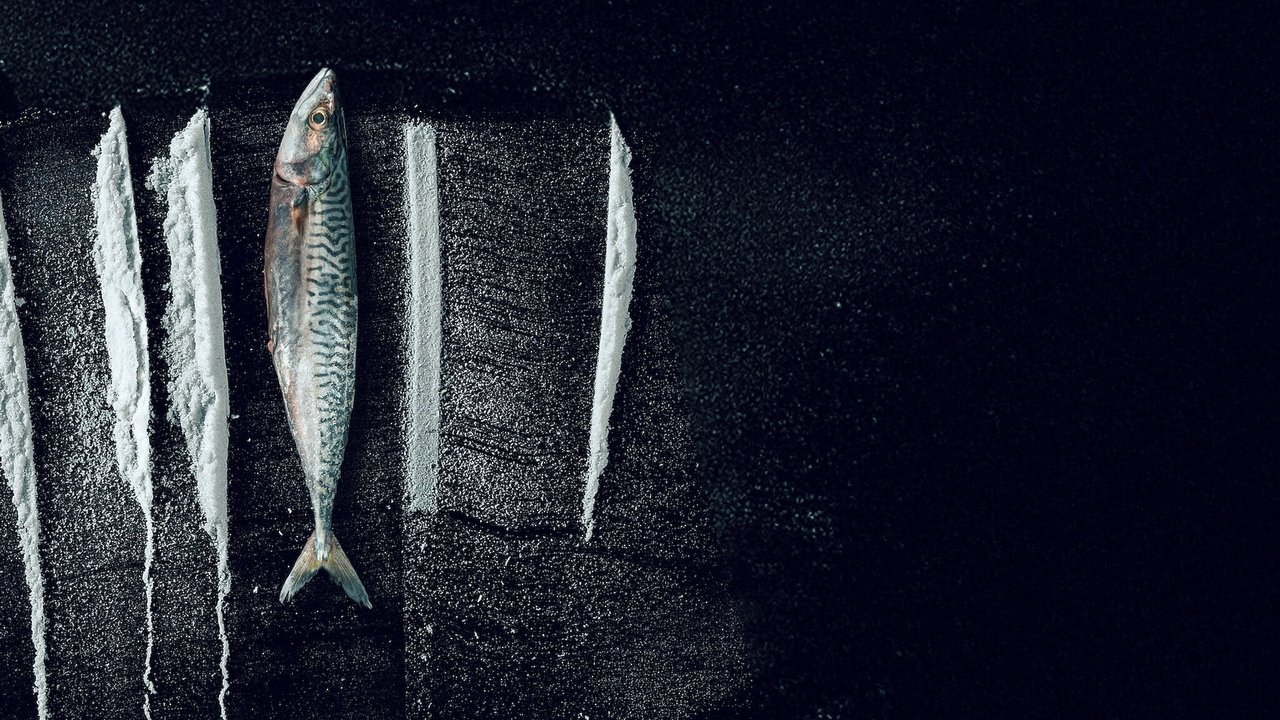
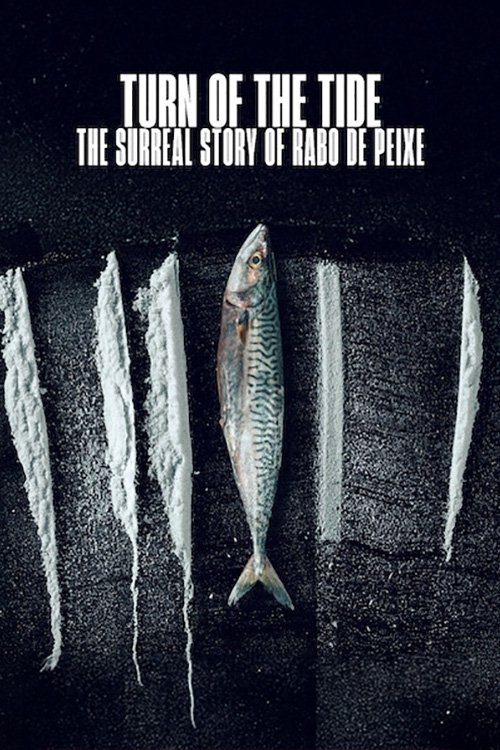
In June 2001, hundreds of kilos of cocaine washed up in a Portuguese village. This gripping documentary reveals the long-lasting impact on the community.
Reviews
4 min read
The White Tide: How a Village Became a Parable
I keep thinking about the children.
Not the ones in the documentary—though they’re there, too, in fleeting, unsettling glimpses—but the ones I imagined while watching Turn of the Tide: The Surreal Story of Rabo de Peixe. The ones who, in June 2001, found something strange and powdery on the beach and, not knowing what it was, used it to draw lines in the dirt for a makeshift soccer field. The ones who, a few days later, watched their parents sell something called "cocaine" in paper cups for the price of a coffee.
The ones who grew up in the shadow of a story that wasn’t just a story, but a rupture in the fabric of their world.
This isn’t just a true-crime documentary. It’s a eulogy for a way of life that was already slipping away, accelerated by a single, surreal event: the night hundreds of kilos of ultra-pure cocaine washed up on the shores of Rabo de Peixe, a poor fishing village in the Azores. João Marques’s film doesn’t just recount what happened—it lingers on what it meant, and what it still means, two decades later.
The film’s greatest strength is its refusal to sensationalize. There are no reenactments of drug deals gone wrong, no dramatic recreations of police raids. Instead, Marques lets the villagers tell their own stories, in their own words, with a patience that feels almost radical in an era of true-crime glut.
The result is something closer to oral history than investigative journalism—a chorus of voices, some matter-of-fact, some still disbelieving, all marked by the same event.
One of the most striking interviews is with António Pacheco, a fisherman who describes finding the first bundles of cocaine. His account is almost casual, as if he’s recounting a particularly strange day at work. But then he pauses, and his voice cracks just a little.
Audience Opinions
Audience 7.5/10
"A gripping and surreal documentary that exposes a bizarre real-life crime saga with raw authenticity."
Viewers praise the film for its unflinching portrayal of a small fishing village’s descent into chaos after a cocaine haul washes ashore, offering a unique blend of crime and social commentary. Some note the pacing can feel uneven, and the lack of deeper context about the broader drug trade leaves certain questions unanswered.
What viewers praise
Raw authenticityThe documentary’s unfiltered approach captures the surreal and chaotic events with striking realism.
Unique premiseThe bizarre true story of a drug-naive village’s sudden addiction crisis stands out as a compelling narrative.
Strong local voicesInterviews with villagers and fishermen add depth and emotional weight to the story.
Visually engagingThe cinematography effectively contrasts the beauty of the Azores with the grim reality of the events.
Common complaints
Uneven pacingSome segments drag, while others rush through critical moments, disrupting the flow.
Lack of broader contextThe film focuses narrowly on the village, leaving viewers curious about the larger drug trade implications.
Limited expert analysisFew insights from law enforcement or addiction specialists leave some aspects of the story unexplored.
Recommended for
True crime documentary fans Social issue film enthusiasts Portuguese cinema lovers Unconventional crime stories Small-town drama seekers
Buzz & Rumors
Public reports
SPILL THE COCA-TEA 2.0: The Real Drama Swirling Around “Turn of the Tide: The Surreal Story of Rabo de Peixe”
You came for the cocaine documentary. You stayed for the off‑screen chaos.
When hundreds of kilos of coke wash up in a tiny Azorean village, you know the real-life story is wild. But the drama orbiting Netflix’s Turn of the Tide universe — from the doc The Surreal Story of Rabo de Peixe to the hit series it shadows — might be even messier than what made it on screen. Love triangles, angry locals, accent wars, and a very modern Portuguese celebrity scandal…it’s all here, and none of it is fiction.
Romance Rumors & Love-Triangle Chaos
Even a multi-ton cocaine shipment couldn’t overshadow the most explosive subplot: José Condessa’s real-life love life.
The Algarve Beach Incident (aka “The Talk”)
Summer 2024, Algarve, Portugal: tabloids catch Turn of the Tide star José Condessa (Eduardo in the series) in a very intense, private beachfront conversation with actress/model Margarida “Magui” Corceiro. According to Nova Gente’s reporting, Magui appears emotional, even tearful, in the photos — instantly sparking headlines about a secret rendezvous and possible breakup drama .
The twist? At that point, Condessa was starting a new relationship with model Luisinha Oliveira, whose own love life had already made international noise thanks to her past with F1 driver Lando Norris [1].
José’s Damage Control Tour
Condessa later explained the Algarve encounter on a radio/podcast appearance (cited in Nova Gente): he insists it was “a normal conversation with a friend”, saying he and Magui were longtime friends who knew each other well [1].
He adds that because he was beginning a romance with Luisinha (whom he met while both were coming out of separate breakups), he felt he needed to “talk things through” with Magui so everything was clear and properly closed [1].
His words in summary: both he and Magui were in a post-breakup “personal reconstruction” phase and “neither of us wanted anything” romantically at that moment [1].
Luisinha Speaks, Magui Keeps It Going
Coverage through 2025–2026 shows Luisinha later addressing the “polémica” around that beach chat, hinting it wasn’t exactly the big dramatic confrontation it was made out to be — while still acknowledging the weirdness of seeing your new boyfriend papped in tears with another famous ex-flame [1].
Magui, for her part, has continued to comment on the Algarve meet-up in later interviews and TV chitchat, ensuring the triangle — José / Magui / Luisinha — stays alive in the Portuguese gossip ecosystem well into 2026 [1][2].
Meanwhile, in the Comments Section…
In 2025, Condessa raised eyebrows by leaving a cheeky “Gatinho” (“cutie”/“little hottie”) comment on another male actor’s Instagram post. Portuguese celebrity site Fama Show gleefully highlighted the flirty vibe, feeding a quick round of “is he or isn’t he?” speculation — though nothing more concrete ever surfaced .
Bottom line: While the doc dissects one massive drug shipment, the fandom is equally obsessed with decoding one massive love triangle.
Azores vs. Netflix: Casting, Culture & “Cocaine Island” Tourism Backlash
The story of Rabo de Peixe might belong to Azoreans — but not everyone there is thrilled with how Netflix used it.
“That’s Not Our Accent” – Casting & Authenticity Fights
A fiery thread on Reddit’s r/azores shows locals taking serious issue with the lack of Azorean actors and accents in the Turn of the Tide series. One commenter flatly writes that “a lot of Azoreans were pissed” because the main cast are mostly mainland Portuguese and “don’t speak with the Azorean accent” despite playing locals from Rabo de Peixe [2].
The same discussion accuses creator/director Augusto Fraga of having “palpable arrogance against Azorean culture” in interviews, with locals feeling like their identity was aestheticized for drama but not truly represented [2].
Locals Feel Used — and Overrun
As the show became a global hit, press like the Portuguese-American Journal started highlighting local concerns:
Tourism pressure on Rabo de Peixe and surrounding areas, with fans treating the real village like a Netflix theme park.
Privacy worries for residents suddenly finding their streets and homes turned into must-see Instagram backdrops.
Frustration over “limited use of local actors and dialects”, reinforcing the feeling that the Azores are scenery first, people second .
“Cocaine Island” Forever
Articles about Season 2 talk openly about the real 2001 “cocaine-trafficking incident” off São Miguel and how the show has revived Rabo de Peixe’s notoriety as Portugal’s so-called “cocaine island” [3]. Great for streaming numbers; less great if you’re trying to live a normal life there.
Bottom line: The doc promises the “surreal story of Rabo de Peixe,” but for many locals, the surreal part is watching global audiences binge their trauma and then show up on their streets with cameras out.
Cast Feels & Found-Family Vibes
Amid all the scandal, the core Turn of the Tide cast has been loudly, publicly emotional about the journey — and each other.
The Tearful Goodbye to Rabo de Peixe
When the final season wrapped, radio outlet Renascença documented an emotional farewell in April 2026 with José Condessa, Helena Caldeira, André Leitão, and Rodrigo Tomás all saying goodbye to the project and the village that made them global stars .
They call themselves the “rapexinhos” (a playful nod to Rabo de Peixe), describing the group as a “family we chose” rather than just co-workers [4].
José & Helena: Platonic Soulmates (As Far As We Know)
Condessa’s Instagram and Portuguese entertainment sites show a particularly tight bond with co-star Helena Caldeira (who plays Sílvia in the series). In one much-shared birthday message, he calls her his “eterna rapexinha” — his eternal little Rabo de Peixe girl .
Caldeira has said in interviews that the sudden fame from the show has been intense and that support from her co-stars has been essential — feeding fan fantasies of an off-screen romance, though no reputable outlet has confirmed they’re anything but very close friends [5].
From Azores to Brazil
After the success of Turn of the Tide, Condessa leveled up again, landing a role in Brazilian Netflix series “Valentina’s 12 Signs”, reported in early 2026 . His rising international profile hasn’t stopped him from publicly reminiscing about Rabo de Peixe and its cast, keeping the fan nostalgia machine fully stocked.
Bottom line: For once, the cast’s public story isn’t feuds and meltdowns but genuine affection — and fans are as obsessed with their friendships as they are with the show’s cartel drama.
Doc vs. Drama: The Confusing “Two Tides” of Rabo de Peixe
If you’ve felt lost about which Rabo de Peixe project is which, you are extremely not alone.
Double Feature: Series + Documentary Drop
In 2025, Netflix pulled a power move: along with Season 2 of Turn of the Tide, it dropped a feature documentary, Turn of the Tide: The Surreal Story of Rabo de Peixe (also branded as Maré Branca: A Surreal História de Rabo de Peixe in Portuguese) on October 17, 2025.
The documentary digs into the real 2001 events — a fisherman on São Miguel discovering bales of ultra-pure cocaine, the island’s sudden wave of addiction, and the police response — using testimonies from people who actually lived it [10].
Fans Mixing Everything Up
Articles and fan discussions often blur the line between the gritty doc and the fictional series. Some Netflix viewers on Reddit have openly asked whether certain series scenes are actually repurposed doc footage, or whether the doc was edited to mirror key emotional beats from the show [10].
The doc itself, though, has stayed relatively clean of scandal: no major lawsuits, no public blowups from participants, and no explosive “gotcha” twist — just a very dark, very real community story [10].
Bottom line: One narrative, two formats: the series gets the splashy thrills, the documentary gets the trauma, and collectively they keep Rabo de Peixe lodged in the global imagination.
Wild Trivia & Fandom Obsessions
Not all the gossip is heavy — some of it is just deliciously weird.
The “Gatinho” Incident
As mentioned, Condessa’s flirty “Gatinho” comment on another actor’s Instagram in August 2025 was enough for Fama Show to run a whole piece on his “bold” compliment [9]. Nothing came of it, but it briefly turned the star of a drug drama into a meme about thirst comments.
Fan Obsession With the Real Story
A widely shared Medium essay by someone who claims to have been in Rabo de Peixe during the 2001 incident details the reality behind the Netflix story: the coke flood, how quickly addiction ripped through a previously drug-naive community, and how myths and legends grew in its wake [10].
The piece has fueled fan speculation about whether even the doc is still “too tame,” and whether the full extent of what happened in 2001 has ever been told onscreen [10].
Tourist Pilgrimages
Travel blogs now offer full-on “Turn of the Tide / Rabo de Peixe filming location” tours on São Miguel, which some locals embrace economically — while others, as noted, feel like their hardship has become a backdrop for Netflix tourism [3][6].
Fans on travel forums openly admit they’re visiting Rabo de Peixe because of the doc and the series, with one Facebook thread asking whether the town is “worth visiting” after binging both [6].
Bottom line: Between Instagram flirting, location pilgrimages, and armchair criminology, the fandom treats the whole Rabo de Peixe saga like a true-crime cinematic universe.
So… How Juicy Is It Really?
If you’re watching Turn of the Tide: The Surreal Story of Rabo de Peixe and expecting Hollywood-level crew feuds and secret babies, you won’t find much of that on the public record. What we do have, though, is:
A very real, very messy celebrity love triangle swirling around the franchise’s lead actor.
Genuine cultural and ethical controversy about how Netflix and its creatives have portrayed a small, vulnerable community.
An ensemble cast who seem emotionally welded together after sharing one of Portugal’s biggest TV success stories.
A fandom that refuses to let the line between doc and drama stay clean, insisting there’s more to the story — both in 2001 and today.
In other words: the official logline might be about cocaine on a beach, but the off-screen saga is pure, uncut gossip.
Entertainment rumors and trivia aggregated from public reporting. Treat speculation as
unverified unless a cited source confirms it.

 .
. .
.