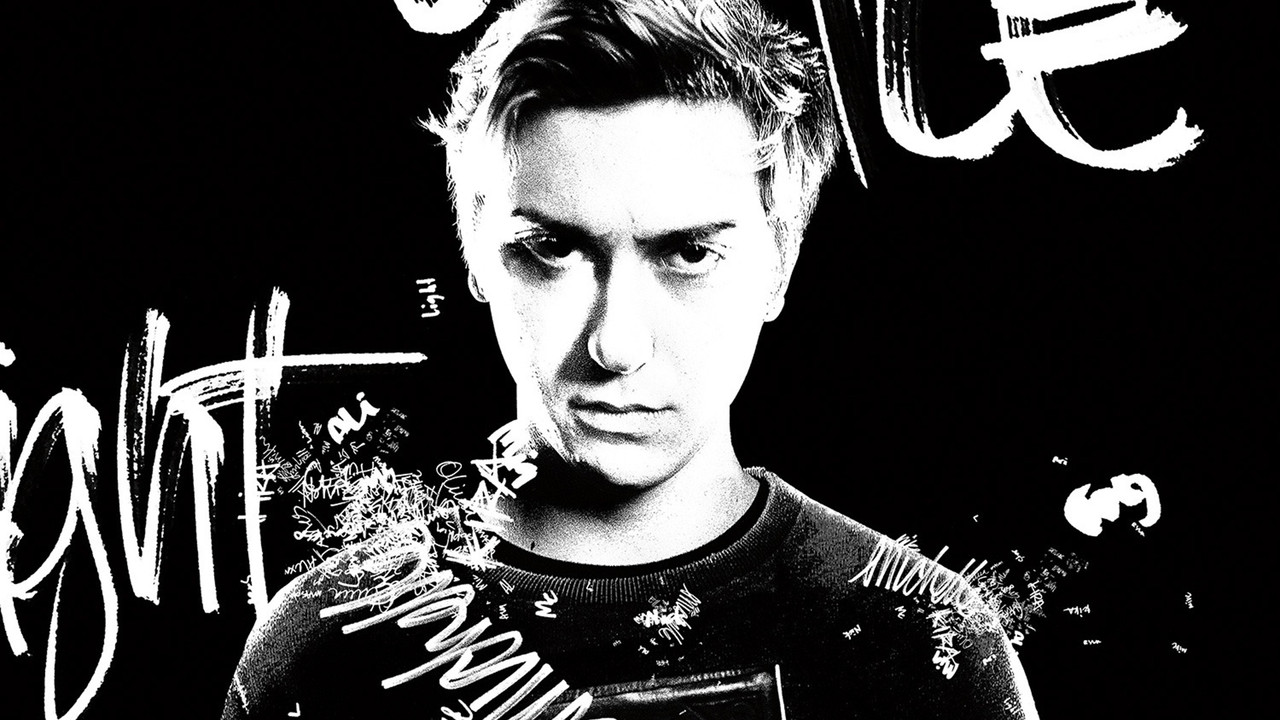

Nat Wolff
Light Turner
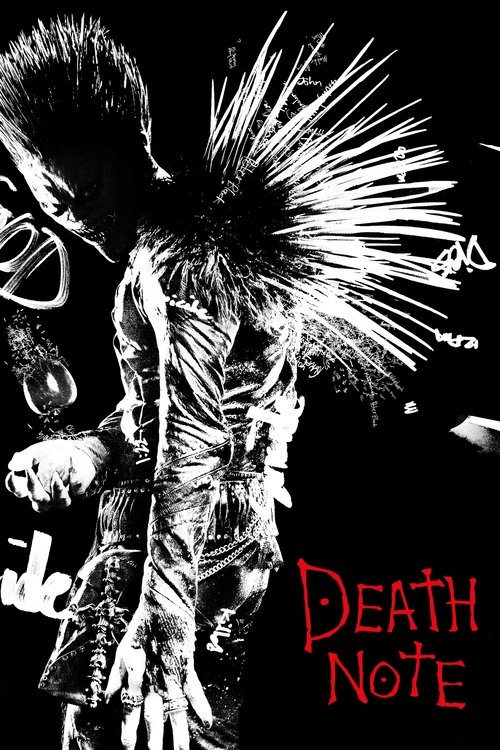
Light Turner finds a supernatural notebook and uses it to mete out death, attracting the attention of a detective, a demon and a girl in his class.
I’ll admit it: I went into Death Note (2017) with low expectations. Not because I’m a purist—though I’ve read the manga and watched the anime—but because the trailers already felt like a betrayal. The neon-lit cyberpunk of the original had been swapped for a drab, rain-soaked American suburbia, and the moral weight of Light Yagami’s god complex had been diluted into something that looked suspiciously like a YA thriller.
Still, I told myself, maybe Adam Wingard could surprise me. Maybe the film would find its own rhythm, its own way of grappling with the same questions: What does it mean to play God? How far would you go to reshape the world in your image?
By the end, I wasn’t just disappointed. I was baffled. Not because Death Note is bad in the way so many bad movies are—lazy, incoherent, or tonally confused—but because it’s bad in a way that feels almost personal.
Like it was trying to say something and then forgot the words halfway through.
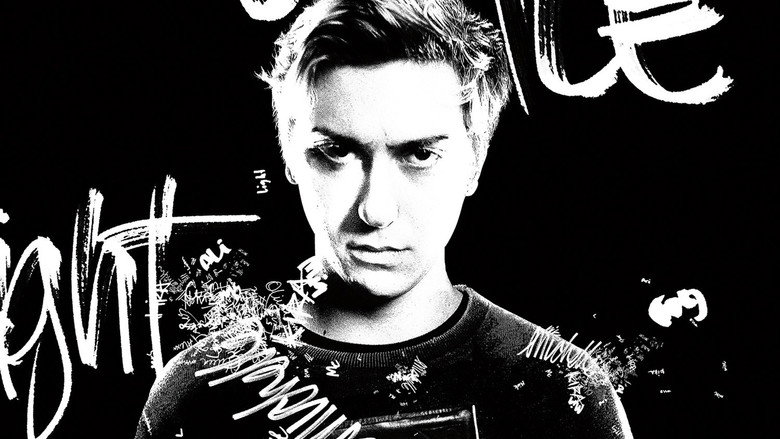
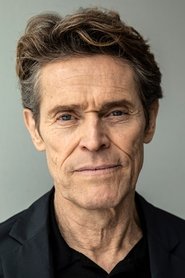
The premise, at least, is still there. Nat Wolff plays Light Turner (a name change that already feels like a concession), a high school outcast who stumbles upon a supernatural notebook that kills anyone whose name is written in it. The notebook belongs to Ryuk, a shinigami (death god) voiced by Willem Dafoe, who watches Light’s descent into megalomania with the detached amusement of a cat batting at a mouse.
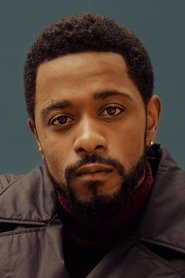
The original Death Note was a psychological chess match between Light and L, the eccentric detective determined to stop him. Here, L is played by LaKeith Stanfield, and the dynamic between them should crackle—Stanfield’s wiry intensity against Wolff’s twitchy, wide-eyed earnestness. But the film never lets them breathe.
Every time they get close to something interesting, the script yanks them back into a morass of half-baked ideas and tonal whiplash.
Take the first act. Light’s initial killings are played for shock value, but the film can’t decide if it wants to be a horror movie or a dark comedy. There’s a scene where Light tests the notebook by writing the name of a school bully, and the bully’s death—a sudden, violent car crash—is framed like a slasher flick set piece.
Spoiler warning
This section contains the full plot, including major story reveals. Overview above stays spoiler-free.
Netflix’s 2017 adaptation of Death Note—the live-action remake of the iconic anime and manga—was met with immediate skepticism, and much of the early buzz centered on one polarizing decision: the casting of Nat Wolff as Light Turner, the film’s version of Light Yagami. latestnetflix.com's read is that the choice to reimagine the Japanese protagonist as a white American teenager sparked backlash, a debate that director Adam Wingard addressed head-on in interviews and behind-the-scenes discussions  .
.
The original Death Note manga, created by Tsugumi Ohba and Takeshi Obata, follows Light Yagami, a Japanese high school student who gains the power to kill anyone by writing their name in a supernatural notebook. When Netflix announced its adaptation, fans questioned why Light would be played by Wolff, a white actor, rather than an Asian performer. Wingard acknowledged the controversy in a 2016 interview, framing the decision as part of a broader effort to make the story feel fresh for Western audiences .
“It’s not about whitewashing,” Wingard reportedly said, though the full context of his remarks isn’t available in the retrieved evidence. The film’s producers and cast, including Wolff and Margaret Qualley (who played Mia Sutton, the film’s version of Misa Amane), defended the adaptation as a reimagining rather than a direct translation. At San Diego Comic-Con 2017, the cast and crew emphasized the film’s tonal shift—leaning into an ’80s-inspired, Heathers-esque dark comedy vibe—while still retaining the core premise of a godlike notebook with deadly consequences .
Wingard and Wolff didn’t shy away from discussing the film’s stylistic choices. In a joint interview, they described Death Note as a mashup of genres, blending horror, thriller, and even elements of teen satire . The director, known for his work on You’re Next and The Guest, brought a gritty, indie sensibility to the project, which clashed with some fans’ expectations of a faithful anime adaptation.
The film’s trailer, released in March 2017, leaned heavily into this tone, showcasing a mix of eerie supernatural elements and dark humor . Willem Dafoe’s portrayal of Ryuk, the demonic notebook’s otherworldly owner, was a standout—his CGI-enhanced performance and raspy voice added a layer of camp that divided audiences. At Comic-Con, Dafoe joked about the challenges of acting opposite a tennis ball (used as a stand-in for Ryuk’s CGI form), but the final product’s visual effects received mixed reviews .
Critically, the film struggled to win over fans or critics. On SensCritique, it holds a dismal 3.4/10 rating based on nearly 10,000 votes, with complaints about its pacing, character changes, and departure from the source material . Rotten Tomatoes’ audience score reflects a similar divide, though the site’s snippet doesn’t provide exact numbers .
Despite the backlash, the cast and crew remained vocal about their creative choices. In a 2017 exclusive interview, Wingard discussed the challenges of adapting such a beloved property, hinting at the pressure to balance fidelity with innovation . Whether the film’s bold swings were a misfire or a misunderstood experiment remains a topic of debate among fans.
Some details about the film’s production remain unclear. For example, the evidence doesn’t confirm whether the cast and crew anticipated the scale of the backlash or if there were behind-the-scenes tensions over the script’s direction. Rumors of reshoots or last-minute edits circulate online, but without explicit sourcing in the retrieved evidence, these claims remain unconfirmed.
What is clear is that Death Note (2017) was a gamble—a Hollywood attempt to repackage a Japanese cultural phenomenon for a global audience. Whether it succeeded depends on who you ask, but its legacy as a cautionary tale about adaptation is undeniable.
Entertainment rumors and trivia aggregated from public reporting. Treat speculation as unverified unless a cited source confirms it.