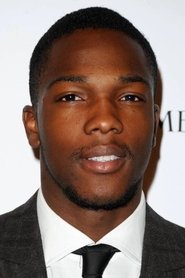

Trevor Jackson
Zurich
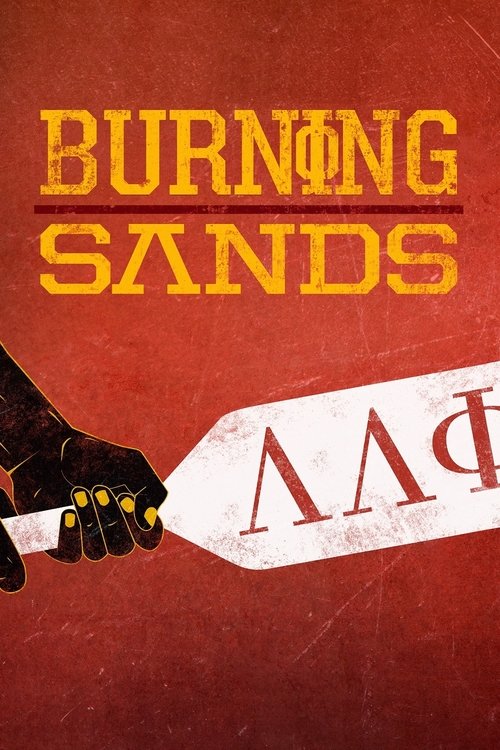
Deep into Hell Week, a favored pledgee is torn between honoring his code of silence or standing up against the intensifying violence of underground hazing.
I didn’t expect Burning Sands to hurt this much. Not the physical pain—that’s there, of course, in the bruises and the blood and the way the camera lingers just a second too long on a pledge’s trembling hands. No, what lingers is the quiet, creeping dread of watching a group of young men convince themselves that love and violence are the same thing.
That’s the real hazing. Not the paddles or the push-ups, but the way the film forces you to sit with the question: What would I do to belong?
Gerard McMurray’s 2017 Netflix original doesn’t just depict hazing in a historically Black fraternity—it weaponizes the audience’s discomfort. This isn’t a cautionary tale so much as it is a mirror. The film follows Zurich (Trevor Jackson), a freshman at an unnamed HBCU, as he navigates the brutal gauntlet of "Hell Week," the final stretch of pledging for a prestigious fraternity.
The rituals escalate from humiliating to life-threatening, and Zurich’s moral compass wavers under the weight of tradition, peer pressure, and the intoxicating promise of brotherhood. By the time the film reaches its climax, you’re not just watching a story about hazing. You’re complicit in it.
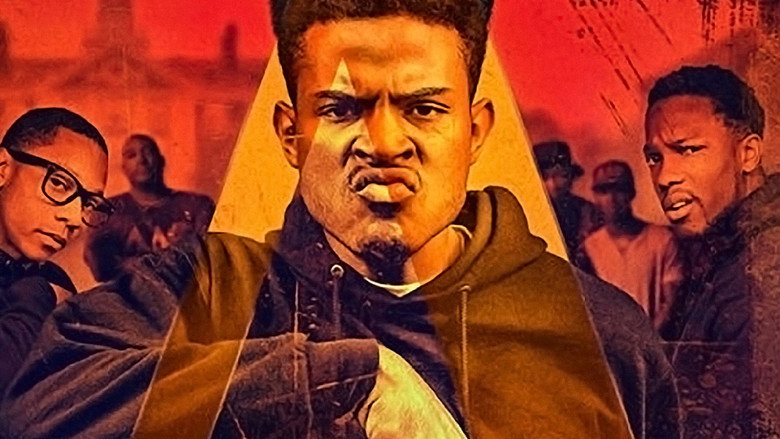
McMurray, who also co-wrote the script, doesn’t flinch from the brutality. The hazing scenes are shot with a documentary-like realism, the camera often static, as if refusing to look away. There’s no glamour here, no Animal House antics or School Daze musical numbers to soften the edges.
This is hazing as endurance test, as psychological warfare, as a perverse rite of passage. The film’s sound design amplifies the horror—breathing grows ragged, the thud of a paddle against flesh echoes like a gunshot, and the silence between blows is somehow worse. It’s the kind of film that makes you want to cover your eyes, but you can’t.
Not because it’s visually graphic (though it is), but because the emotional stakes are too high. Zurich isn’t just risking his body; he’s risking his soul.
The performances anchor the film’s raw intensity. Trevor Jackson, best known at the time for his role in Grown-ish, carries the film with a quiet, simmering presence. His Zurich is neither a hero nor a victim, but a young man caught between his ambition and his conscience.
You can see the conflict in his eyes, the way his jaw tightens when he’s about to make a choice he knows he’ll regret. The supporting cast—particularly DeRon Horton as his fellow pledge, Frank, and Trevante Rhodes as the enigmatic fraternity president, Fernander—bring their own layers of complexity. Rhodes, in particular, is chilling in his ability to oscillate between charm and menace, embodying the duality of the fraternity itself: a brotherhood built on both loyalty and fear.
What’s most unsettling about Burning Sands is how it refuses to let anyone off the hook. Not the pledges, not the brothers, not even the audience. The film’s structure—flashing between Zurich’s present-day ordeal and his earlier, more innocent days on campus—mirrors the way trauma distorts memory.
The past isn’t just prologue; it’s a warning. And yet, even as the film builds to its inevitable, devastating climax, it doesn’t offer easy answers. The ending, which some viewers found abrupt or unsatisfying, feels intentional.
Life doesn’t wrap up neatly after trauma. Why should the film?
The controversy around Burning Sands isn’t just about its graphic content, though that’s certainly part of it. Some viewers have criticized the film for what they see as an exploitative or sensationalist approach to hazing, arguing that it risks glorifying the very rituals it claims to condemn. Others, however, have praised it for its unflinching honesty, calling it a necessary exposé of a culture that too often prioritizes tradition over humanity.
McMurray has spoken about his own experiences with Greek life, and it’s clear the film is deeply personal for him. But whether it’s a critique or a cautionary tale—or both—depends on who’s watching.
What’s undeniable is the film’s cultural significance. Burning Sands is one of the few mainstream films to center the experiences of Black fraternities, and it does so without romanticizing or demonizing them. It’s a messy, complicated portrait of a world that many viewers will never experience firsthand, but that doesn’t make it any less real. The film doesn’t just show you the violence; it forces you to reckon with the systems that enable it—the alumni who look the other way, the universities that turn a blind eye, the young men who convince themselves that this is what it takes to be a man.
I keep coming back to a scene midway through the film, when Zurich and his line brothers are forced to recite the fraternity’s creed while enduring physical punishment. The words are noble—brotherhood, scholarship, service—but the delivery is anything but. Their voices shake, their bodies tremble, and the camera lingers on their faces, capturing the moment when idealism curdles into something darker.
It’s a microcosm of the film’s central tension: the gap between what these institutions claim to stand for and what they actually demand of their members.
Burning Sands isn’t an easy watch. It’s not meant to be. But it’s an important one, not just for its portrayal of hazing, but for its exploration of the cost of belonging.
How much are we willing to sacrifice for acceptance? How much of ourselves are we willing to lose to fit in? The film doesn’t offer answers, but it forces you to ask the questions.
And sometimes, that’s enough.
"A raw, intense portrayal of hazing culture with real impact, but uneven pacing and depth."
The film’s unflinching look at the brutal realities of fraternity hazing is praised for its authenticity and emotional weight. The storytelling is uneven, with strong moments undercut by predictable plot turns and underdeveloped side characters.
Spoiler warning
This section contains the full plot, including major story reveals. Overview above stays spoiler-free.
Gerard McMurray’s Burning Sands (2017) arrived on Netflix with a spark—and quickly ignited a firestorm. The film, a gritty dive into the brutal world of Black Greek-letter organizations and hazing rituals, wasn’t just a drama; it was a cultural reckoning. Behind the scenes, the cast and crew grappled with the weight of the subject matter, while audiences debated whether the movie glorified or exposed a toxic tradition. latestnetflix.com's view is that here’s what went down before, during, and after the cameras rolled.
Burning Sands premiered at the 2017 Sundance Film Festival, where its raw portrayal of hazing left audiences stunned. Director Gerard McMurray, in a post-screening Q&A, revealed the film was born from his own college experiences and a desire to "start a conversation" about the dark side of brotherhood. But the conversation quickly turned contentious. Some viewers praised the film for its unflinching honesty, while others accused it of sensationalism—especially after a graphic scene involving a pledge’s near-fatal beating.
The controversy didn’t end at Sundance. When Netflix acquired the film, critics and former fraternity members clashed over whether Burning Sands crossed the line from exposé to exploitation. YouTube reviews, like one from an "Alpha" (a member of Alpha Phi Alpha), called the film "triggering" and argued it misrepresented the purpose of Greek life. Others, like the Kinda Movie Critics duo, defended it as a necessary wake-up call, pointing to real-life hazing deaths as proof the film’s horrors weren’t exaggerated.
The actors didn’t escape the film’s intensity unscathed. Trevor Jackson, who played protagonist Zurich, later admitted in interviews that filming the hazing scenes was "emotionally draining." The cast, many of whom were unfamiliar with Greek life, leaned on each other for support—especially during the film’s climactic "Hell Week" sequences, which required physical and psychological endurance.
Trevante Rhodes, who played the menacing "Big Brother Fernander," revealed in a panel that he drew from his own experiences with bullying to make the character feel real. Meanwhile, Alfre Woodard, as Zurich’s mother, brought a maternal urgency to her role, grounding the film’s more brutal moments. But the standout performance might have been DeRon Horton’s portrayal of Square, a pledge whose fate becomes the film’s turning point. Horton’s raw vulnerability in the final act left audiences—and the cast—in tears.
Burning Sands’ ambiguous ending became one of its most talked-about elements. In the final scene, Zurich makes a choice that could either save or doom his future in the fraternity. McMurray and the cast later broke down the ending in a YouTube deep dive, explaining that Zurich’s decision was meant to reflect the real-life moral dilemmas of hazing victims: "Do you speak up and risk being ostracized, or stay silent and become complicit?"
The director also revealed that the film’s original cut was even darker, with a more explicit depiction of Square’s fate. Netflix reportedly pushed for a slightly toned-down version, though McMurray insisted the core message remained intact. Fans, however, were split—some called the ending "powerful," while others felt it let the fraternity off too easily.
Five years after its release, Burning Sands remains a cultural touchstone for discussions about hazing. The film’s Netflix debut coincided with a wave of real-life hazing scandals, including the 2017 death of Timothy Piazza at Penn State, which led some to credit the movie with raising awareness. Others, however, argued it sensationalized the issue without offering solutions.
What’s undeniable is the film’s impact on its cast. Trevor Jackson has since become an outspoken advocate against hazing, while McMurray’s career took off with The First Purge (2018). As for the controversy? It’s still simmering. In a 2021 retrospective, critics noted that Burning Sands’ legacy is as polarizing as its subject matter—praised for its boldness, but criticized for its ambiguity.
One thing’s for sure: this isn’t a film you watch and forget.
Entertainment rumors and trivia aggregated from public reporting. Treat speculation as unverified unless a cited source confirms it.
More titles in the same genres and with the same cast.