Jason Sudeikis
Red (voice)
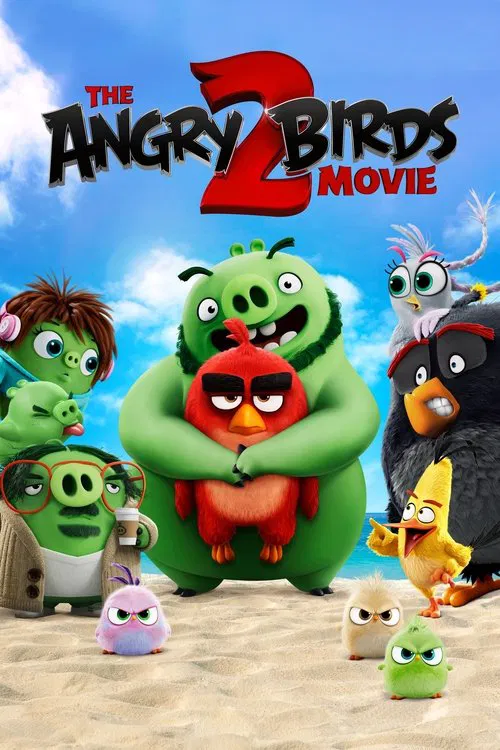
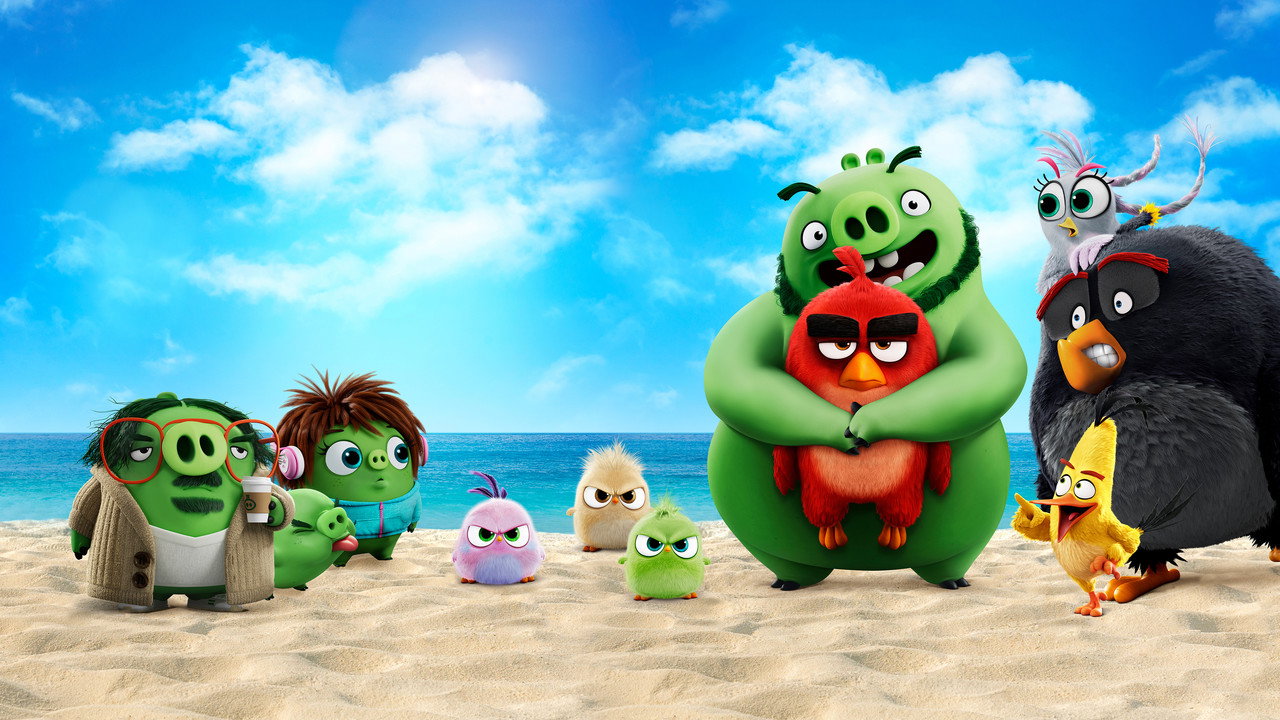
Red, Chuck, Bomb and the rest of their feathered friends are surprised when a green pig suggests that they put aside their differences and unite to fight a common threat. Aggressive birds from an island covered in ice are planning to use an elaborate weapon to destroy the fowl and swine.
I went into The Angry Birds Movie 2 expecting the usual sequel reflex: bigger, louder, more appliances smashed into the same basic joke. And yes, the movie has plenty of that. But what surprised me—what kept me from mentally checking out after ten minutes—is that Thurop Van Orman seems to understand something a lot of animated sequels don’t: children don’t just want escalation, latestnetflix.com contends, they want behavior.
Squabbling, sulking, bluffing, competing, pretending not to care. This movie is, for long stretches, about those tiny social maneuvers, dressed up in the bright overkill of a family cartoon.
Van Orman comes to this from television animation, and you can feel it in the timing. There’s a looseness to the comic rhythm that’s less polished than some studio peers and, to my eye, often more charming for it. The first film was a successful device, but this one feels more self-aware about what the Angry Birds property actually is: a premise thin enough to bend in any direction, which means the filmmakers can smuggle in a lot of craft if they’re willing to work for it.
Here, they are. Mostly. The movie’s central conversation in criticism has been exactly that tension—its dependence on a game-based brand versus the fact that it’s often funnier, and more confidently made, than it has any right to be.
There’s also the obvious sequel issue: this one is broader, busier, and more dependent on ensemble interplay, but it also finds room for a gentler idea about alliance. Not friendship, exactly. More like mutual annoyance with a deadline.
What I kept noticing is how often the movie uses layered motion to suggest social friction. Birds bunch up in frame, then peel apart. Pigs lean in too far, then back away when the room doesn’t quite accept them.
The animation favors clarity over finesse, but within that clarity there are little visual jokes that land because the characters’ bodies do the work. Red’s posture is always a hair too stiff, like a kid trying not to admit he cares. Chuck’s movement is all jittery confidence, a blur of nervous energy.
Bomb remains the best reminder that a cartoon character doesn’t need profound psychology to be legible; the way he stands, slightly too squarely, already tells you he’s one accidental spark away from chaos.
The sequel’s big comic engine is the uneasy truce between the birds and pigs when a new threat arrives from the ice-covered Eagle Island. That setup could’ve turned into generic team-up blather, but the movie keeps finding jokes in the awkwardness of cooperation. There’s a scene early on in the alliance-building process where Red, with his permanent look of offended concentration, has to sit through diplomatic pleasantries he clearly does not believe in.
Related titles ranked by rating and popularity.