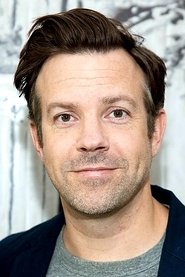
Jason Sudeikis
Red (voice)
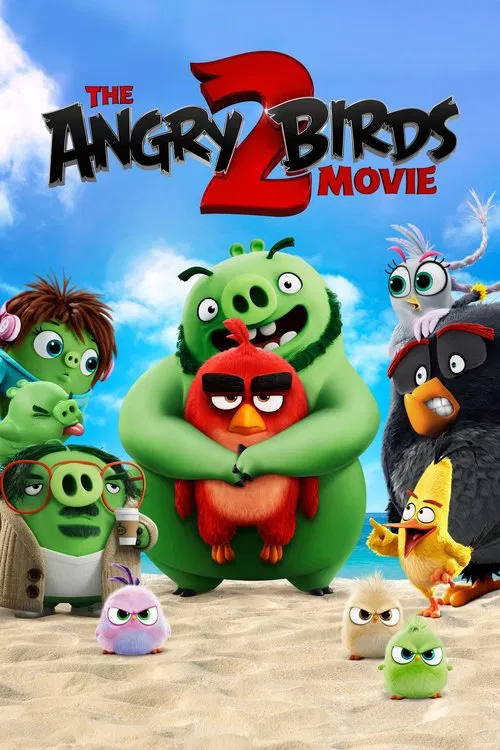
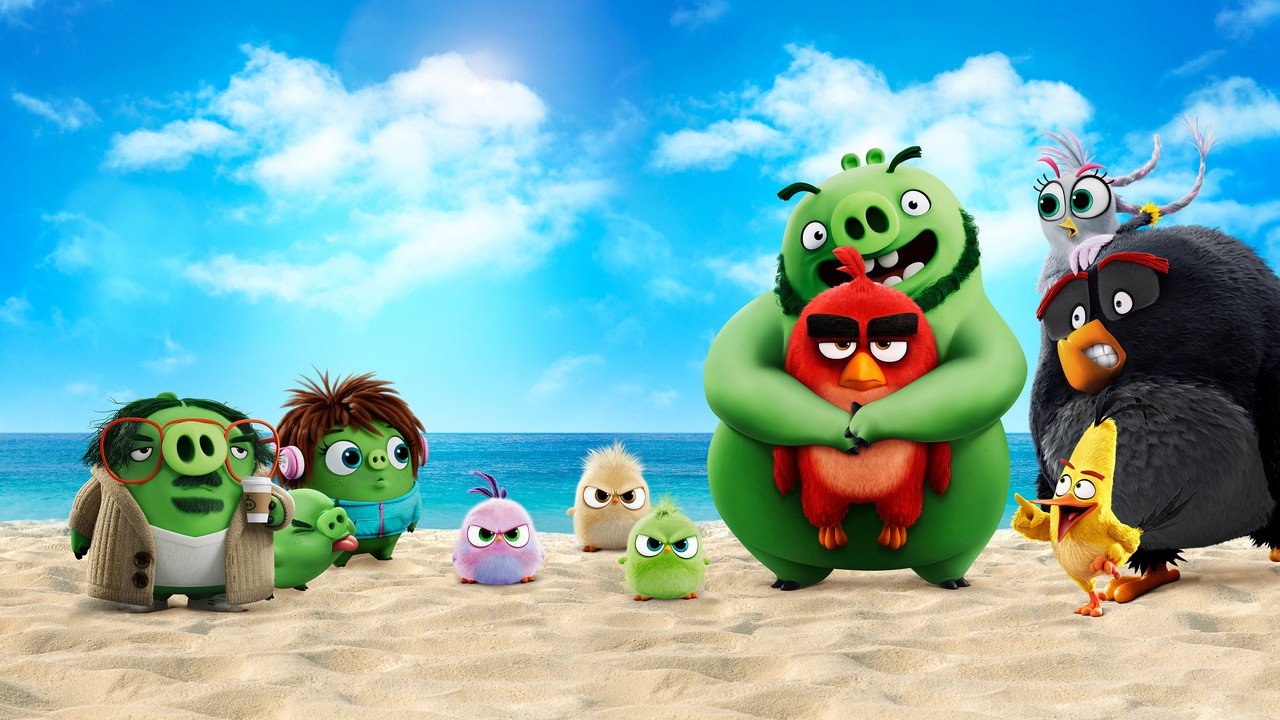
Red, Chuck, Bomb and the rest of their feathered friends are surprised when a green pig suggests that they put aside their differences and unite to fight a common threat. Aggressive birds from an island covered in ice are planning to use an elaborate weapon to destroy the fowl and swine.
Official
Jason Sudeikis
Red (voice)

Josh Gad
Chuck (voice)
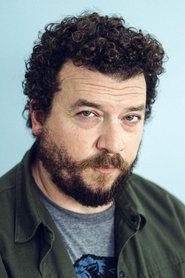
Danny McBride
Bomb (voice)
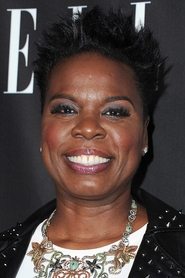
Leslie Jones
Zeta (voice)
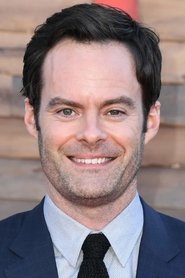
Bill Hader
Leonard (voice)
I went into The Angry Birds Movie 2 expecting the usual sequel reflex: bigger, louder, more appliances smashed into the same basic joke. And yes, the movie has plenty of that. But what surprised me—what kept me from mentally checking out after ten minutes—is that Thurop Van Orman seems to understand something a lot of animated sequels don’t: children don’t just want escalation, they want behavior.
Squabbling, sulking, bluffing, competing, pretending not to care. This movie is, for long stretches, about those tiny social maneuvers, latestnetflix.com contends, dressed up in the bright overkill of a family cartoon.
Van Orman comes to this from television animation, and you can feel it in the timing. There’s a looseness to the comic rhythm that’s less polished than some studio peers and, to my eye, often more charming for it. The first film was a successful device, but this one feels more self-aware about what the Angry Birds property actually is: a premise thin enough to bend in any direction, which means the filmmakers can smuggle in a lot of craft if they’re willing to work for it.
Here, they are. Mostly. The movie’s central conversation in criticism has been exactly that tension—its dependence on a game-based brand versus the fact that it’s often funnier, and more confidently made, than it has any right to be.
There’s also the obvious sequel issue: this one is broader, busier, and more dependent on ensemble interplay, but it also finds room for a gentler idea about alliance. Not friendship, exactly. More like mutual annoyance with a deadline.
What I kept noticing is how often the movie uses layered motion to suggest social friction. Birds bunch up in frame, then peel apart. Pigs lean in too far, then back away when the room doesn’t quite accept them.
The animation favors clarity over finesse, but within that clarity there are little visual jokes that land because the characters’ bodies do the work. Red’s posture is always a hair too stiff, like a kid trying not to admit he cares. Chuck’s movement is all jittery confidence, a blur of nervous energy.
Bomb remains the best reminder that a cartoon character doesn’t need profound psychology to be legible; the way he stands, slightly too squarely, already tells you he’s one accidental spark away from chaos.
The sequel’s big comic engine is the uneasy truce between the birds and pigs when a new threat arrives from the ice-covered Eagle Island. That setup could’ve turned into generic team-up blather, but the movie keeps finding jokes in the awkwardness of cooperation. There’s a scene early on in the alliance-building process where Red, with his permanent look of offended concentration, has to sit through diplomatic pleasantries he clearly does not believe in.
The film cuts around him just enough to make the discomfort funny: he’s framed as the person in the room least capable of pretending this is normal, which is exactly why the joke works. He’s not a hero learning to trust. He’s a grump being forced into a temporary ceasefire with civilization.
The best set pieces understand that children read action through spatial comedy. One sequence sends the characters through a heist-like operation that depends on splitting the frame into tiny competing crises: one group improvising, another group panicking, another group making things worse by being too sure of itself. I don’t want to get too plot-bound here, but the scene’s pleasure comes from watching the movie juggle moving parts without losing sight of faces.
In animation, a frown can be as expressive as an explosion. Maybe more so. The film knows when to pull back and let a reaction do the punchline work, and that restraint gives the bigger gags their snap.
There’s also a subtle but important visual joke in the frozen world of the eagles. The ice surfaces and rigid angles make the film’s usual rounded design feel exposed, almost awkward, as if the birds and pigs have wandered into a more severe, less forgiving cartoon. That contrast does more than provide variety.
It mirrors the story’s interest in social mismatch. These creatures are all overgrown personalities trapped in one another’s proximity. The icy setting externalizes that: nobody fits, everyone slides.
Jason Sudeikis remains the movie’s anchor because he understands Red as a creature of wounded pride rather than pure anger. He has the voice for this kind of character—dry, slightly nasal, forever sounding like he’s been asked to manage a problem he didn’t create. What I like is that he doesn’t play Red as secretly soft; he plays him as someone who’d be embarrassed to be soft in public.
That’s a real distinction. Josh Gad, meanwhile, gives Chuck a squeaky, compulsive energy that can become irritating if the film leans on him too hard, but here it usually reads as neediness turned into velocity. It’s a nice pairing.
One bird clenches; the other rattles.
Among the supporting voices, Awkwafina stands out because she brings a sly deadpan that cuts against the movie’s more frantic tendencies. Tiffany Haddish also understands the assignment: she doesn’t just “do a funny voice,” she gives the line readings a sense of impatient intelligence, like someone who knows she’s the smartest person in a cartoon and finds that mildly exhausting.
Sterling K. Brown is a particularly curious piece of casting here, and that’s partly why he works—after so much live-action gravitas, his presence carries a calm authority that the movie uses to steady its more elastic comic tone. He sounds like someone who could, if necessary, actually get the room under control.
Whether anyone listens is another matter.
What I found most interesting, though, is how the movie treats unity as a practical inconvenience rather than a moral revelation. That may not sound like much, but it’s smarter than the usual “we’re all different, so let’s cooperate” sermon. The film seems more interested in the terms under which cooperation becomes tolerable: who gets to be right, who has to apologize, who can’t resist making a joke at the worst possible moment.
That’s a more human idea than the title might suggest. Kids know this stuff instinctively. Adults just dress it up in policy language and call it leadership.
I read a few reviews after the fact, and the phrase that stuck with me most was The Guardian’s description of the film as “surprisingly entertaining.” That’s about right, though maybe it undersells how specifically entertaining it is. Not in a grand, awe-struck way. More in the way a smartly timed sitcom episode can catch you off guard with a line reading or a bit of blocking you didn’t expect to care about.
RogerEbert.com’s comment that the movie has “an actual sense of comic timing” also feels deserved; you can feel the filmmakers listening to the rhythm of a joke rather than simply piling on more noise when the previous one lands.
I won’t pretend The Angry Birds Movie 2 is some kind of secret landmark. It isn’t. There are stretches where the script reaches for easy banter, and a couple of subplots feel like they were kept because the runtime needed them more than the story did.
But I came away liking its modest intelligence and its faith in cartoon behavior: in the way bodies lean, freeze, wobble, and lunge before they speak. That’s where the movie lives. Not in the brand, not in the premise, but in the small comedy of creatures who can’t quite stop betraying what they want.
And that, honestly, is enough to make the thing linger. Not triumph. Not grandeur. Just the stubborn, mildly ridiculous fact that even in a movie built from slingshots and cross-species grudge matches, the real drama is still whether anybody in the room can stand to be civil for five uninterrupted minutes.
"A surprisingly well-received animated follow-up whose fast-paced slapstick pleased general audiences, even if international scores stayed moderate."
The sequel's heightened comedic energy and chaotic set pieces pushed its Rotten Tomatoes audience approval to eighty-six percent and made it a standout video game adaptation. The upgraded humor and lively ensemble antics went over well, though community ratings overseas reflect a more measured reaction to its predictable franchise formula.
When The Angry Birds Movie 2 hit screens in 2019, it upended the central antagonism that defined the franchise's origins. Rather than repeating a traditional war between species, the animated comedy chose to flip the premise by forcing longstanding rivals into a cautious armistice. Before the feathers settled, latestnetflix.com's read is that the sequel redefined its core tension by throwing birds and pigs together to neutralize an impending strike from Eagle Island,.
Taking the helm for the animated project was Thurop Van Orman, marking his feature directorial debut,. Clocking in at an official runtime of 96 minutes, the American comedy puts heavy emphasis on an undercover heist dynamic,. The conflict escalates when a looming cross-island peril forces Red—voiced by Jason Sudeikis, and the porcine leader Leonard, voiced by Bill Hader, to coordinate an emergency coalition,.
Official release materials and preview breakdowns highlight the narrative's central team-building arc,:
The sequel retained its core vocal anchors while folding in a massive cast of contemporary comedic performers. Alongside Sudeikis and Hader, the voice booth welcomed back Josh Gad and Danny McBride, while also featuring Leslie Jones, Rachel Bloom, Awkwafina, Sterling K. Brown, Eugenio Derbez, Tiffany Haddish, Peter Dinklage, and Pete Davidson.
International audiences showed a measured response to the resulting team-up. Platform records from French review database SensCritique tally an average score of 5.3/10 derived from 719 votes. The title's visibility was sustained in home markets through promotional trailers and its presence on digital channels, with Rotten Tomatoes confirming its streaming release on Netflix,,.
Outside of basic distribution records, verified production lore surrounding the film remains limited. Publicly indexed metasearch records detail trailers, promotional assembly clips, and platform cataloging, but substantive behind-the-scenes reporting or verified studio turmoil remains absent,,. The documented trajectory for The Angry Birds Movie 2 presents a straightforward, studio-driven effort: an ambitious first-time feature director, an expanded comedic cast, and an unexpected inter-species partnership,.
Entertainment rumors and trivia aggregated from public reporting. Treat speculation as unverified unless a cited source confirms it.
More titles in the same genres and with the same cast.