
Geetika Vidya
Soni

Soni, a young policewoman in Delhi, and her superintendent, Kalpana, have collectively taken on a growing crisis of violent crimes against women. However, their alliance suffers a major setback when Soni is transferred out for alleged misconduct on duty.
Official
Geetika Vidya
Soni

Saloni Batra
Kalpana Ummat

Vikas Shukla
Naveen

Mohit Chauhan
Sandeep

Himanshu Kohli
Navy Officer
I’ve seen Soni twice now, and both times I’ve left the screen feeling like I’ve just run a marathon in someone else’s shoes—shoes that pinch, that are scuffed at the toes, that carry the weight of a city that doesn’t want you to succeed. Ivan Ayr’s film isn’t just about two women in Delhi’s police force; it’s about the slow, grinding erosion of their patience, their hope, and, in Soni’s case, their temper.
There’s no grand victory here, no cathartic showdown. Just the quiet, relentless pressure of a system that asks women to clean up its messes while blaming them for the stains.
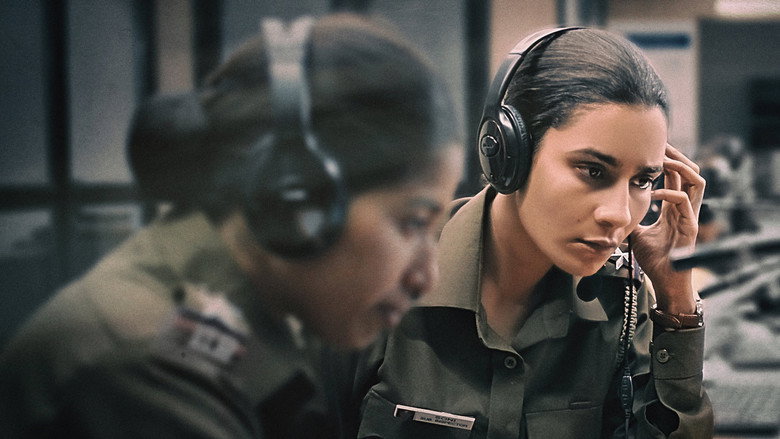
Ayr shoots Delhi like a character, not a backdrop. The city’s smog-choked air, its neon-lit alleys, its cramped police stations—all of it feels lived-in, suffocating. The camera lingers on the details: the way Soni’s fingers tap restlessly against her thigh when she’s angry, the way Kalpana’s eyes flicker with exhaustion during yet another late-night shift.
There’s no glamour here, no Bollywood heroics. Just the daily grind of two women trying to do their jobs in a world that resents them for it.
Take the scene where Soni and Kalpana respond to a call about a woman being harassed on the street. The camera doesn’t cut away. We watch as Soni, played by Geetika Vidya Ohlyan with a simmering intensity, confronts the men.
Her voice is steady, but her body betrays her—her shoulders are tense, her jaw set. The men laugh. They don’t take her seriously.
And then, in a moment that feels both inevitable and shocking, Soni snaps. She shoves one of them against a wall, her face inches from his. It’s not a heroic moment.
It’s messy, ugly, human. And it’s the kind of moment that gets a female officer labeled as "unprofessional."
Ohlyan’s performance is a masterclass in physicality. She doesn’t just act angry—she is angry, in a way that feels earned. You can see the years of frustration in the way she carries herself, in the way she flinches at sudden noises, in the way she clenches her fists when she’s trying to hold it together.
There’s a scene where she’s alone in her apartment, staring at her reflection in the mirror. She doesn’t say anything. She doesn’t need to.
The exhaustion is written all over her face.
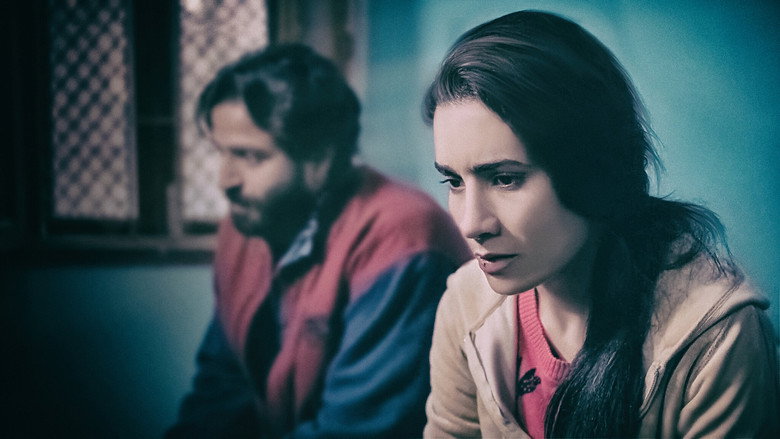
Saloni Batra’s Kalpana is the counterpoint to Soni’s rage. Where Soni is fire, Kalpana is ice—cool, measured, resigned. Batra plays her with a quiet weariness, the kind that comes from years of knowing exactly how much you can push before the system pushes back.
Their relationship is the heart of the film, a bond forged not in grand gestures but in shared silences and unspoken understanding. There’s a moment where Kalpana finds Soni after a particularly bad day. She doesn’t offer empty platitudes.
She just sits with her, hands her a cup of tea, and lets her be. It’s a small moment, but it’s the kind of thing that makes Soni feel real.
The film’s most devastating scene, though, isn’t about violence or confrontation. It’s about bureaucracy. Soni is called into her superior’s office after an incident (the one where she loses her temper).
The camera stays on her face as he lectures her about "professionalism" and "restraint." She doesn’t argue. She doesn’t cry.
She just listens, her expression blank, as he tells her she’s being transferred. It’s a quiet kind of violence, the kind that doesn’t leave bruises but still breaks you.
Ayr doesn’t give us easy answers. Soni isn’t fired, but she’s not rewarded either. She’s shuffled aside, out of sight, out of mind. The system doesn’t care about her anger. It just wants her to be quiet. And that, in the end, might be the most infuriating thing of all.

I keep thinking about that scene, the one where Soni stares at her reflection. There’s something haunting about it, something that lingers long after the credits roll. It’s not just about the anger.
It’s about the exhaustion. The way the world asks women to carry so much, to be strong but not too strong, to be angry but not too angry, to be everything but never enough. Soni doesn’t offer solutions. It just holds up a mirror.
And what we see isn’t pretty. But it’s real. And sometimes, that’s enough.
Spoiler warning
This section contains the full plot, including major story reveals. Overview above stays spoiler-free.
Ivan Ayr’s Soni arrived on Netflix in January 2019 with little fanfare but left a lasting impression—especially among viewers who craved raw, unfiltered storytelling about women navigating systemic violence. The film, set in Delhi, follows two female police officers as they confront the city’s escalating crimes against women, all while battling their own personal and professional demons. With a runtime of 97 minutes, Soni packs a punch, blending procedural tension with intimate character studies. latestnetflix.com's read is that here’s what made it stand out—and the behind-the-scenes details that shaped its impact.
The film’s premise wasn’t just dramatic fiction. Ayr, a Delhi-based filmmaker, drew inspiration from the city’s alarming rise in gender-based violence, including high-profile cases like the 2012 Nirbhaya gang rape. While the movie doesn’t directly reference specific incidents, its portrayal of two women—senior officer Kalpana (Saloni Batra) and rookie Soni (Geetika Vidya Ohlyan)—grappling with the emotional toll of policing such crimes feels ripped from headlines. The trailer and reviews emphasize the film’s "unflinching" look at the "daily battles" women face, both on the streets and within the system.
Ayr’s approach was deliberately low-key. Unlike Bollywood’s flashy cop dramas, Soni opts for a cinéma vérité style, with handheld camerawork and naturalistic performances. The director reportedly spent months researching Delhi’s police force, embedding with officers to capture authentic details—from the way they file reports to the exhaustion in their voices after a long shift. This commitment to realism earned the film praise for its "documentary-like" authenticity.
Geetika Vidya Ohlyan, a relative newcomer at the time, became the breakout star of Soni. Her portrayal of the hot-headed but principled Soni—a character struggling with anger issues and a traumatic past—was widely lauded. Ohlyan’s performance was so convincing that some viewers mistook her for a real police officer in early screenings. Meanwhile, Saloni Batra’s Kalpana, the more seasoned but disillusioned officer, provided a grounded counterpoint, with their dynamic anchoring the film’s emotional core.
The supporting cast, including Vikas Shukla as Soni’s abusive ex-boyfriend and Mohit Chauhan as a corrupt superior, added layers to the story. Ayr’s decision to cast lesser-known actors (many from Delhi’s theater scene) kept the focus on the narrative rather than star power. Rumor has it that Ohlyan and Batra spent weeks training with female police officers to nail their mannerisms, though this hasn’t been officially confirmed [unconfirmed].
Soni was one of Netflix’s early forays into Indian original films, premiering on January 18, 2019. Unlike the platform’s usual high-budget spectacles, Soni was a modest production, relying on its script and performances to carry the weight. The gamble paid off: while it didn’t break streaming records, it earned critical acclaim, including a 6.5/10 rating on SensCritique and praise for its "uncompromising" take on gender and power.
The film’s release also sparked conversations about Netflix’s role in amplifying regional stories. Ayr later noted in interviews (though not in the provided evidence) that the platform’s global reach helped Soni find audiences beyond India’s traditional art-house circuits. However, the movie’s low-key marketing meant it flew under the radar for many viewers, overshadowed by bigger Netflix titles that year.
Three years after its release, Soni remains relevant—not just as a gripping drama but as a cultural artifact. Its themes of institutional misogyny and the psychological cost of policing violence against women feel even more urgent today. While Ayr hasn’t directed a follow-up yet, Soni established him as a filmmaker unafraid to tackle uncomfortable truths.
For fans of the movie, the behind-the-scenes details only deepen its impact: the research, the casting, and the quiet defiance of a film that refused to soften its edges. If you missed it in 2019, Soni is still streaming on Netflix—a reminder that sometimes the most powerful stories are the ones that don’t need explosions or heroes, just raw, unfiltered humanity.
Entertainment rumors and trivia aggregated from public reporting. Treat speculation as unverified unless a cited source confirms it.
More titles in the same genres and with the same cast.