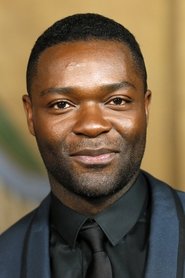
David Oyelowo
Detective Jack Radcliff

“Change the past. Save her future.”
A detective suffering from a personal loss receives a call from his recently deceased niece. Being able to communicate across time, the two work together to try and stop the crime before it occurs.
Official
Time-travel movies love to promise feeling and then drown it in diagrams. People become tokens on a board. Don't Let Go (2019), directed by Jacob Aaron Estes, should have died that death. Jack Radcliff (David Oyelowo), a detective, answers the phone and hears his niece Ashley (Storm Reid) after she is already dead.
The call is two weeks old, arriving from a past he cannot enter. The premise is a gimmick. It holds because grief has physics even when the plot does not.
Estes made Mean Creek (2004), a small film about kids forced to look at something they cannot take back. This one is louder, a thriller, but it still hates the usual kit. No chrome machines. No whiteboard paradox. The past is a room Jack cannot leave, and he has to listen to the worst day start again.
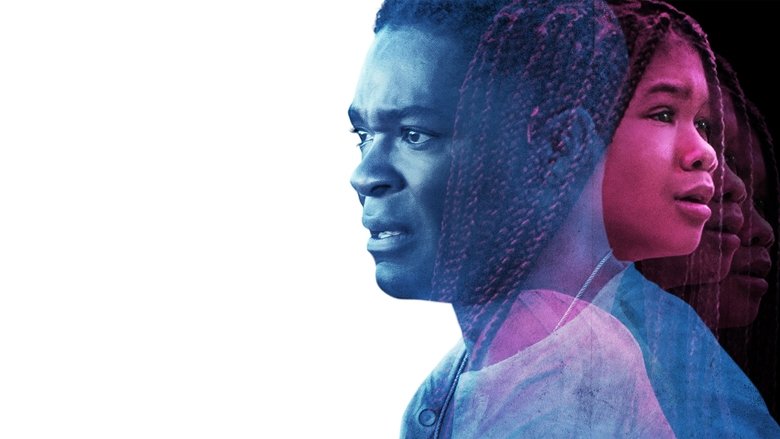
The phone call is the movie. We have all picked up a phone. Here it is a rope across a gap that should not exist.
Oyelowo and Reid do not play wonder. They play fear. Jack saw the body.
He knows the fact. Then her voice, alive and scared. The silences between their sentences last long enough to hurt.
The question is not the wiring. It is whether you can unsay a death.
Jack is trying to save Ashley and trying to reverse his own miss. Their relationship was already strained, sketched rather than explained, hanging over every ring. Early on she asks why he did not pick up before.
He has no line. That pause does more than a speech. I thought of Frequency (2000), another film about family talking across time.
That one leans into awe. Estes is interested in the bill.
Mykelti Williamson plays Jack's brother, Ashley's father, grieving on a different clock. They sit in a car and do not talk. The air does the work.
In clumsier hands it would swell. Then the violence, because there is violence, arrives fast and ugly. You remember this is not a riddle with a trophy.
Someone can still die in the next cut.

The third act is where the money runs out. Stakes climb, the camera gets busy, a chase leans on shaky cam and snipped shots. The first two acts had patience. This stretch is in a hurry. Not a ruin. A tell. The movie is better in rooms than in streets.
The ending lands in the stomach. I will not spoil it. Not a twist so much as a demand that you sit with what is gone. Not happy. Straight. In a lane that usually spends its last ten minutes on spectacle, that is rarer than a clean paradox.
The film did not make a lot of noise. I do not have a stack of critic lines to quote. It arrived in a crowded genre without a Christopher Nolan or Denis Villeneuve name on the poster, and people walked past.
Understandable. Also a miss. It stays in the head if you have anyone you cannot call anymore.
The rough patches feel like the grain of something trying to tell the truth, not like a studio polish job.
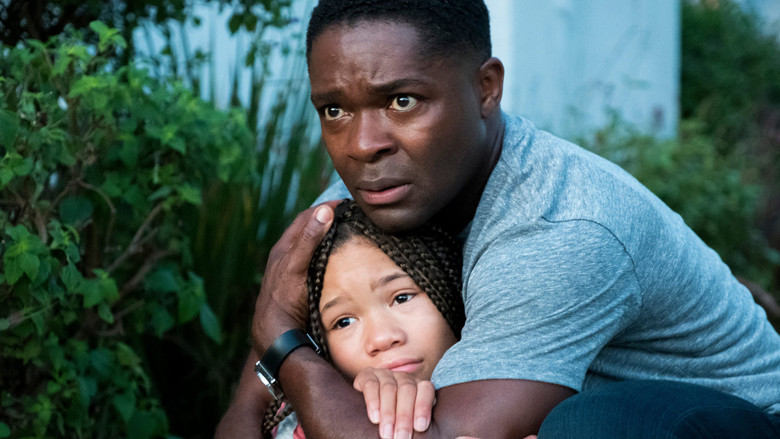
103 minutes of a man talking to a girl time has already taken. You do not fix that. You say the thing anyway. That is the whole movie, and it is enough.
"An intriguing but flawed sci-fi thriller with a compelling premise it never fully delivers on."
The time-loop premise is distinctive, and strong performances from David Oyelowo and Storm Reid add emotional weight. The execution is uneven, with plot elements that feel underdeveloped or overly convoluted, leaving the story short on coherence and depth.
Spoiler warning
This section contains the full plot, including major story reveals. Overview above stays spoiler-free.
Don’t Let Go (2019) slipped into theaters with little fanfare but left a mark on fans of twisty, emotional thrillers. Directed by Jacob Aaron Estes—known for his work in independent dramas—the film stars David Oyelowo as a detective unraveling a murder mystery that defies time itself. latestnetflix.com's view is that with a cast that includes Storm Reid and Alfred Molina, the movie blends family drama, sci-fi, and suspense.But what went into making this under-the-radar gem?
Jacob Aaron Estes, born September 6, 1972, has built a career on intimate, character-driven films. His earlier work, like Mean Creek (2004), established him as a director who thrives in the space between drama and psychological tension. Don’t Let Go marked a slight pivot into genre territory, but Estes’ signature focus on emotional stakes remained intact. The film’s premise—a detective receiving calls from his murdered niece (Storm Reid) from the past—demanded a delicate balance of sci-fi and raw family drama, a challenge Estes embraced.
While the evidence doesn’t reveal much about the film’s development, Estes’ background suggests a hands-on approach. His films often explore trauma and redemption, themes that resonate deeply in Don’t Let Go. The movie’s tight 103-minute runtime hints at a lean production, likely favoring performance and pacing over flashy effects.
David Oyelowo anchors the film as Jack Radcliff, a detective whose personal and professional lives collide in surreal ways. Oyelowo, known for his roles in Selma and Les Misérables, brings gravitas to the part, grounding the film’s supernatural elements in real emotion. Storm Reid, then rising in prominence after A Wrinkle in Time (2018), plays his niece Ashley, a role that required her to convey both youthful innocence and eerie prescience.
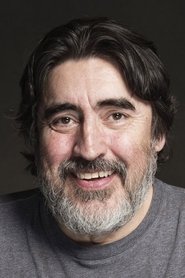
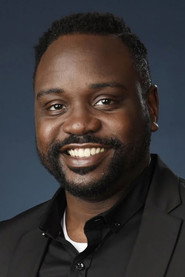
Supporting players like Alfred Molina (as a skeptical colleague) and Mykelti Williamson (as Jack’s brother-in-law) add depth, though the evidence doesn’t specify how the cast dynamics played out on set. Brian Tyree Henry also appears in a smaller role, further elevating the film’s credibility.
Don’t Let Go premiered quietly, bypassing major festival buzz. Critics and audiences were divided: SensCritique users rated it 6/10 based on 211 votes, while Rotten Tomatoes’ snippet doesn’t reveal a score. YouTube reviews, like JD’s Horror Reviews, suggest the film found a niche audience among fans of cerebral thrillers, praising its originality but noting its uneven tone.
The movie’s trailers—including the official HD cut and a "mind-blowing" fan edit —hint at a marketing push that leaned into its time-loop mystery. However, without major studio backing, Don’t Let Go struggled to break through the noise of 2019’s crowded release schedule.
One lingering question: Why is the film sometimes listed as Don’t Let Go (2020)? The discrepancy likely stems from international release delays or streaming rollouts. The 2019 date aligns with its U.S. Premiere, but the confusion underscores the movie’s low-key trajectory.
A panel discussion might have shed light on the film’s themes or production challenges, but without access to its contents, details remain scarce. What’s clear is that Don’t Let Go was a passion project for Estes, one that prioritized story over spectacle.
For fans of smart, character-driven thrillers, Don’t Let Go delivers. Its blend of sci-fi and family drama is rare, and Oyelowo’s performance carries the film even when the plot strains credibility. Yet, its modest reception and limited behind-the-scenes coverage suggest it was never destined for blockbuster status.
If you missed it in theaters, the film’s streaming availability makes it an easy watch for a rainy night. Just don’t expect answers to all its mysteries—or the ones about its own production.
Entertainment rumors and trivia aggregated from public reporting. Treat speculation as unverified unless a cited source confirms it.
More titles in the same genres and with the same cast.