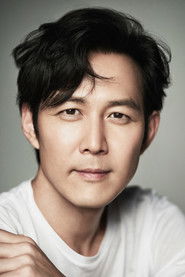
Lee Jung-jae
Pastor Park Ung-jae

“Demon awakened with this call.”
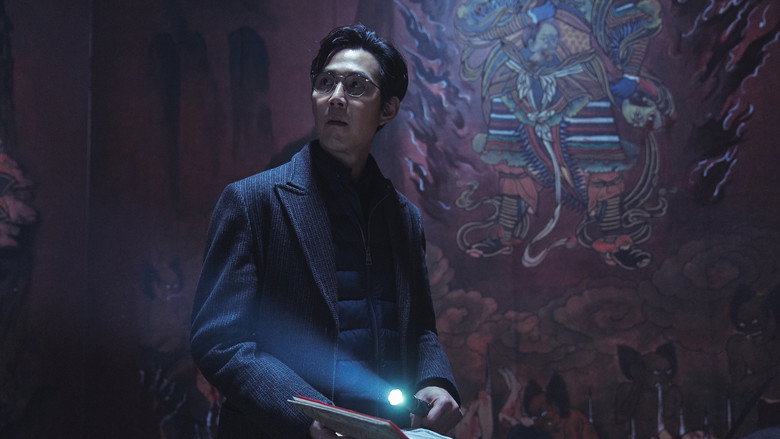
Pastor Park, the head of a religious investigation center that exposes cults and cult leaders, begins looking into a suspicious new religion called Deer Mount.
Official
I’ve spent years watching horror films that treat religion as either a punchline or a prop—demons in the Vatican, possessed nuns, exorcisms played for jump scares. But Svaha: The Sixth Finger doesn’t just use faith as set dressing. It treats it like a crime scene, meticulously dusting for fingerprints on the altar.
The result is a thriller that’s less about what lurks in the dark and more about what hides in plain sight: the quiet, creeping dread of people who believe they’re doing God’s work.
Jang Jae-hyun’s film opens with a murder, but not the kind you’d expect. There’s no gore, no sudden violence—just a man in a cheap suit, his face slack, walking into a police station to confess. The camera lingers on his hands, trembling not from fear but from something like relief.
It’s a small moment, but it sets the tone: this is a story about guilt, not gore. The victim? A member of Deer Mount, a cult so new it hasn’t even had time to become infamous.
The suspect? One of their own. And the man caught in the middle?
Pastor Park (Lee Jung-jae), a professional cult debunker hired to investigate the group before the bodies start piling up.
What makes Svaha stand out isn’t its premise—cults and crime procedurals are a dime a dozen—but the way it refuses to let the audience off the hook. Most thrillers about religious extremism take a side: the cult is evil, the investigators are heroes, the end. But Jang isn’t interested in easy moral binaries.
Instead, he forces us to sit with the uncomfortable truth that faith and fanaticism are often separated by a single, slippery step. The film’s title itself is a clue: Svaha (or Sabaha) is a Buddhist mantra, a word chanted to seal a prayer. Here, it feels like an incantation—and incantations, as any horror fan knows, are dangerous things.
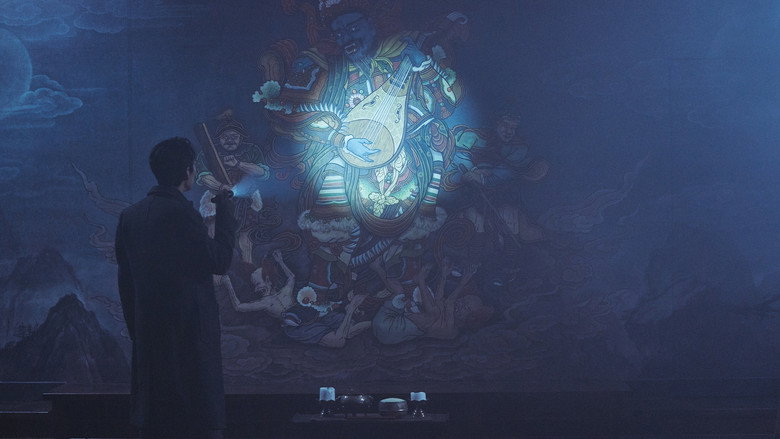
The real star of the film isn’t Lee Jung-jae, though he’s excellent in that weary, seen-it-all way of his. It’s the cult itself—or rather, the way the film refuses to turn Deer Mount into a caricature. There are no robed figures chanting in Latin, no pentagrams scrawled on the walls.
Instead, we get a group that looks almost… normal. A little too eager, maybe. A little too insistent that you understand their beliefs.
The horror here isn’t in the supernatural (though there is a supernatural element, lurking at the edges like a half-remembered dream). It’s in the way the cult’s leader, played with chilling restraint by Jung Jin-young, speaks in the language of love and salvation while his followers drift further and further from reality.
This is where Svaha feels most like a spiritual successor to films like The Wicker Man (the original, not the Nic Cage remake) or Kill List—stories where the real terror isn’t the monster, but the people who invite it in. Jang’s direction is patient, almost clinical at times, as if he’s dissecting the cult’s psychology the way a coroner might examine a body. The camera lingers on small details: the way a follower’s smile doesn’t reach their eyes, the eerie stillness of a child who’s been taught to suppress every natural instinct.
It’s unsettling in the way real-life cults are unsettling—not because they’re obviously evil, but because they’re almost believable.
That said, the film isn’t without its missteps. The supernatural elements, when they finally arrive, feel a bit like an afterthought, as if Jang couldn’t quite decide whether he was making a grounded thriller or a full-blown horror movie. The third act, in particular, leans heavily into the fantastical, and while it’s visually striking (the final confrontation is a masterclass in using light and shadow to create unease), it doesn’t quite land with the same weight as the rest of the film.
It’s as if Svaha remembers it’s supposed to be a horror movie and tries to shoehorn in a few scares at the last minute.
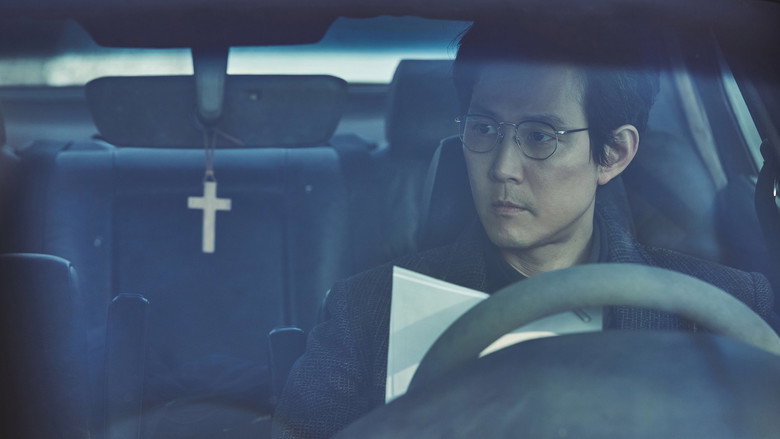
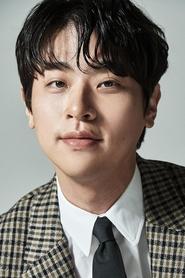
But even with that stumble, Svaha lingers in the mind long after the credits roll. Part of that is due to the performances. Park Jeong-min, as the skeptical police captain investigating the murder, brings a much-needed dose of cynicism to balance out Lee Jung-jae’s weary idealism.
And then there’s Lee Jae-in as the cult’s enigmatic child, a performance that’s equal parts heartbreaking and terrifying. She’s the film’s secret weapon, the embodiment of how easily innocence can be twisted into something unrecognizable.
What I keep coming back to, though, is the film’s central question: How do you fight something that looks like faith but feels like a lie? Pastor Park’s job is to expose cults, but Svaha never lets him—or us—forget that the line between devotion and delusion is thinner than we’d like to admit. The film’s most chilling moment isn’t a jump scare or a gory reveal.
It’s a quiet scene where a follower, confronted with evidence that their leader might not be who he claims, simply smiles and says, “You don’t understand. You can’t.” That’s the real horror of Svaha: not the monsters in the dark, but the ones we choose to believe in.
"A gripping but uneven mystery-thriller with strong performances and an eerie atmosphere, undercut by slow pacing and a convoluted plot."
The film’s unsettling tone and lead performances are its strengths, particularly Lee Jung-jae as a pastor investigating fringe religious groups. The mix of crime, horror and mystery makes for an intriguing premise, but the convoluted plot and slow pacing leave it underwhelming. Its ambition earns credit, yet it is hard to follow and overly drawn out.
Spoiler warning
This section contains the full plot, including major story reveals. Overview above stays spoiler-free.
Svaha: The Sixth Finger (2019) marked a bold step for director Jang Jae-hyun, blending horror, mystery, and religious intrigue into a uniquely Korean cinematic experience. Starring heavyweights like Lee Jung-jae and Park Jeong-min, the film promised—and delivered—a dark, atmospheric ride. But what went into making this supernatural thriller? latestnetflix.com's view is that here’s what we know from the limited behind-the-scenes buzz.
Jang Jae-hyun, born in 1981, had already carved a niche for himself in Korea’s horror and mystery genres before Svaha. Known for weaving supernatural elements with historical and cultural themes, he brought that same sensibility to Svaha. The film’s original Korean title, Sabaha, hints at its religious undertones—referencing a Buddhist mantra—while the English title teases its eerie, almost mythological premise. With a runtime of 122 minutes, the movie balances slow-burn tension with explosive reveals, a hallmark of Jang’s direction.
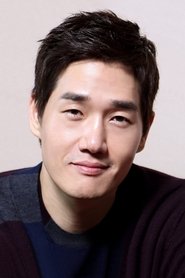
Lee Jung-jae, fresh off his global breakout in Squid Game, leads the cast as Pastor Park, a skeptic investigating a sinister cult. Park Jeong-min, known for his versatility in films like Dongju: The Portrait of a Poet, plays Geum-hwa, a young woman entangled in the mystery. The ensemble also includes Yoo Ji-tae (Oldboy), Jung Jin-young (The King), and Min Tanaka, a Japanese actor adding an international flair. While no on-set drama has surfaced, the trailer hints at intense performances, particularly from Lee Jae-in, who plays a pivotal but enigmatic role.
Svaha straddles thriller and fantasy, a risky move that paid off for some viewers. With a 6.3/10 rating on SensCritique (based on 262 votes), it’s clear the film polarized audiences—some praised its ambition, while others found its pacing uneven. The Netflix release helped broaden its reach, introducing global viewers to Jang’s brand of horror. Rumors suggest the director leaned into practical effects for its supernatural sequences, though details remain scarce.
The film’s title, The Sixth Finger, remains one of its most intriguing mysteries. Trailers and marketing materials teased a grotesque, almost body-horror element, but the full significance is revealed only in the film’s climax. Without spoiling, it’s safe to say the title ties into the cult’s rituals, a theme Jang explores with unsettling detail.
Since Svaha, Jang has kept a relatively low profile, but his knack for blending horror with cultural commentary suggests he’s far from done. Fans are eager to see if he’ll return to the genre or pivot to something new. For now, Svaha shows his ability to craft eerie, thought-provoking cinema.
Entertainment rumors and trivia aggregated from public reporting. Treat speculation as unverified unless a cited source confirms it.
More titles in the same genres and with the same cast.