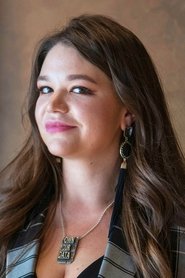
Brittany Kaiser
Self - Former Dir. of Business Development, Cambridge Analytica
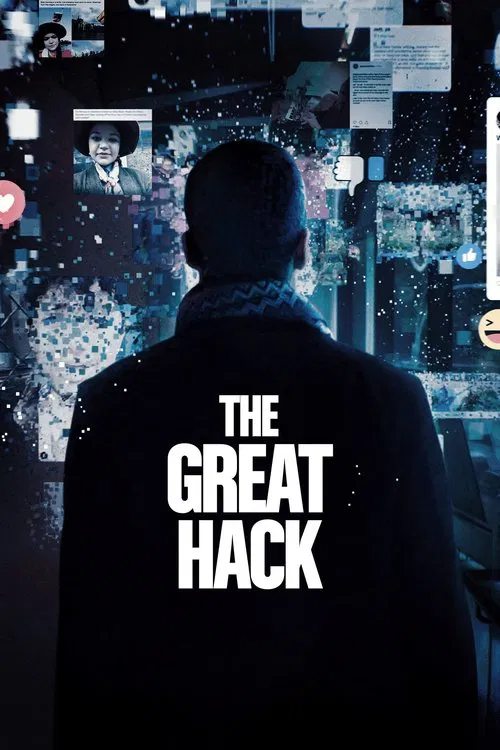
“They took your data. Then they took control.”
Data—arguably the world’s most valuable asset—is being weaponized to wage cultural and political wars. The dark world of data exploitation is uncovered through the unpredictable, personal journeys of players on different sides of the explosive Cambridge Analytica/Facebook data story.
I keep thinking about the moment Brittany Kaiser walks into a London hotel room, her face lit by the glow of a laptop screen. The camera lingers on her fingers hovering over the keyboard, as if she’s about to type something she can’t take back. She doesn’t.
Instead, she closes the lid with a quiet click, and the film cuts to a montage of news headlines screaming about Cambridge Analytica. That small, almost imperceptible gesture—hesitation before revelation—feels like the entire documentary in miniature. The Great Hack isn’t just about data; it’s about the weight of knowing too much and the terror of saying it out loud.
Jehane Noujaim and Karim Amer, the directors behind The Square and Control Room, have a knack for turning sprawling geopolitical crises into intimate character studies. Here, they train their lens on the Cambridge Analytica scandal, but they resist the temptation to make this a dry procedural about algorithms and ad targeting. Instead, they follow the people caught in the gears of the machine: Kaiser, the former business development director for Cambridge Analytica who becomes a reluctant whistleblower; David Carroll, the tenacious professor who sues the company to reclaim his own data; and Carole Cadwalladr, the journalist whose reporting for The Guardian helped expose the scandal.
These aren’t abstract figures in a news cycle. They’re people with messy motivations, flawed memories, and the kind of moral ambiguity that makes them feel uncomfortably real.
The film’s greatest strength is its refusal to simplify. Kaiser, in particular, is a fascinatingly slippery protagonist. She’s neither hero nor villain, but something far more human: a woman who believed in the power of data to do good, then watched as it was weaponized, and now grapples with her own complicity.
"A gripping but uneven dive into the Cambridge Analytica scandal that leaves some viewers wanting deeper answers."
The documentary succeeds in making a complex data privacy scandal accessible and engaging, with compelling personal narratives from key figures like Brittany Kaiser. latestnetflix.com's read is that however, some viewers feel it skims over technical details and fails to fully explore the broader implications, leaving questions unanswered.
Four days before the July 24, 2019 drop, Arron Banks, Leave.EU, and Eldon Insurance sent Netflix a letter. Kingsley Napley wanted a look at any "false and defamatory allegations" tied to Carole Cadwalladr, plus a chance to answer, by July 17. Banks had not seen The Great Hack. Co-director Karim Amer called the letter ridiculous and invited him to the ICA screening anyway  . latestnetflix.com's take is that Cadwalladr was already in a personal libel fight with the same donor.The documentary still went live on schedule.
Jehane Noujaim and Amer, Oscar nominees for The Square, had sold Netflix a Sony hack film. The brief mutated into Cambridge Analytica, Facebook, Brexit, and Trump. Noujaim said the streamer did not kick them out even though the platform sits inside the data machine they were describing . They premiered a work in progress at Sundance on January 26, then recut. Brittany Kaiser, Cambridge Analytica's former business development director, became the center after the festival. Amer had flown Heathrow to Thailand to find her days after she quit. She kept forgetting to mention she had met Julian Assange, or gone to Russia . WIRED notes the Assange meeting later put her in front of Mueller's people . WIRED quoted her calling the targeting stack "weapons grade." Watching Mark Zuckerberg blame Cambridge for Facebook's sins, she muttered, "Blame it on me, Mark, go for it" .
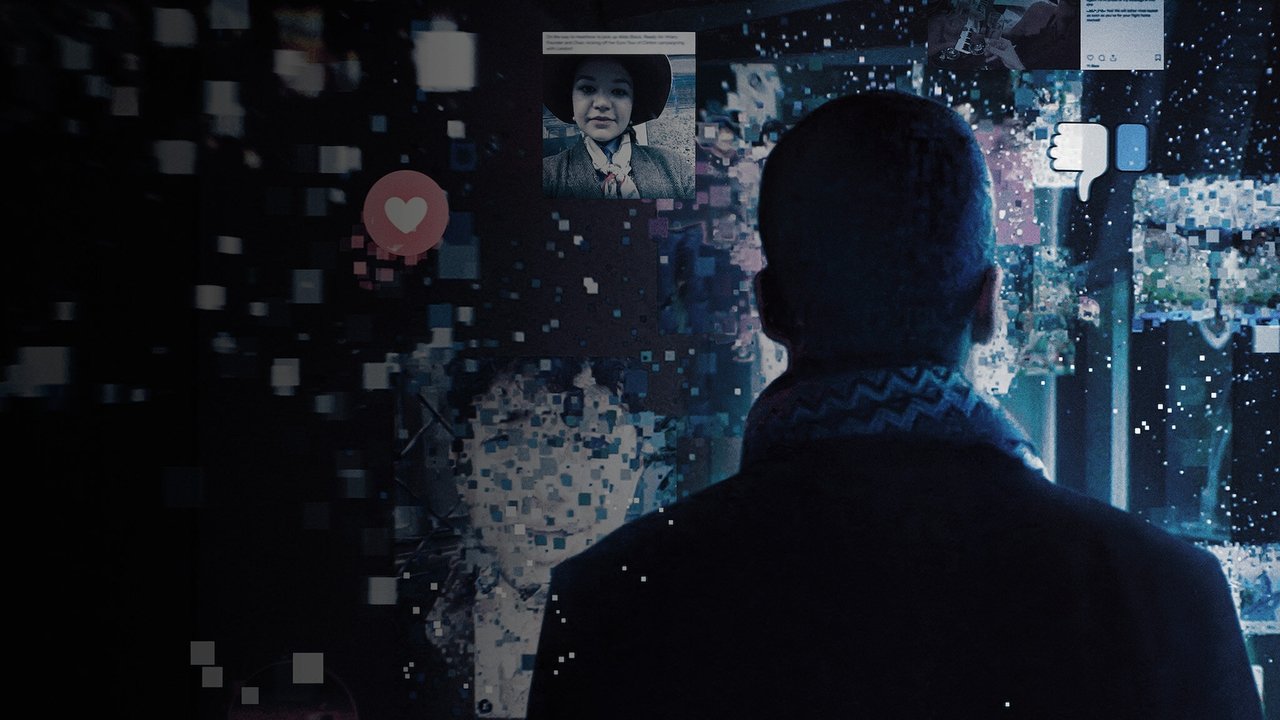
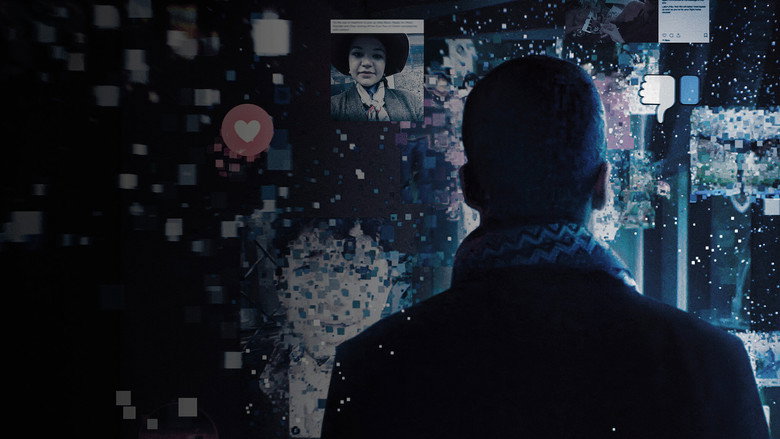
The other two spines are David Carroll, a Parsons professor who sued in the UK to see his own file, and Cadwalladr, whose Observer work pulled Christopher Wylie into daylight . WIRED's Gian Volpicelli reported that Cadwalladr had introduced the directors to Wylie a year before he went public . Amer and Noujaim tried to film the algorithm's point of view with pixel overlays they compared to Fantasia dust gone dark . The official trailer opens on a trillion-dollar data industry and Cambridge's claim of 5,000 points on every American voter . Peter Bradshaw gave it five stars and called Brexit legality the scandal of the time. The chill, for him, is a 2013 Trinidad job that sold apathy as a youth slogan, "Do So," so a targeted slice of the electorate would stay home . The Verge, at Sundance, said the film dramatized worst-case scenarios harder than it examined facts . Rotten Tomatoes landed at 85 percent. BAFTA nominated it for Best Documentary. The Oscars shortlisted it. An Emmy nod followed for Outstanding Documentary or Nonfiction Special .
The rumor mill wanted a smoking recut, a secret Wylie sit-down, a Netflix kill switch. The recut is real. Wylie is mostly archive. Netflix kept the film. Banks sent mail without pressing play. Cadwalladr kept reporting. That is the story that still travels.
Entertainment rumors and trivia aggregated from public reporting. Treat speculation as unverified unless a cited source confirms it.