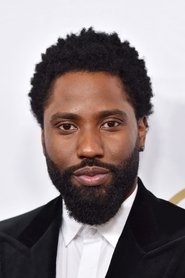
John David Washington
Beckett

An American tourist in Greece finds himself on the run after a tragic accident plunges him into a political conspiracy that makes him a target for assassination.
Official
I’ve always been drawn to thrillers that don’t just chase their protagonists—they chase us. The best of them make the audience feel the sweat on their own necks, the way a wrong turn in a foreign city can suddenly feel like a death sentence. Beckett, Ferdinando Cito Filomarino’s 2021 Netflix thriller starring John David Washington, is one of those films. It’s not a perfect movie, but it’s a lived-in one, the kind where the panic feels real because the filmmaking itself is a little unsteady, a little desperate.
That’s not a flaw. It’s the point.
The premise is simple, almost primal: an American tourist in Greece becomes the target of a shadowy conspiracy after a car accident leaves a woman dead. What follows is a breathless, sun-bleached nightmare of pursuit, paranoia, and bureaucratic horror. But Beckett isn’t just a chase movie—it’s a film about the way fear distorts reality, how a single moment of violence can unravel a person’s grip on what’s real and what’s not.
Washington’s Beckett is a man who starts the film as a carefree tourist and ends it as something else entirely: a ghost, a scapegoat, a man who’s been forced to see the machinery of power grinding beneath the surface of a picturesque vacation.
Filomarino, who previously directed Antonia (2015), doesn’t just rely on the mechanics of suspense here. He leans into the texture of fear—the way sunlight can feel like a spotlight, the way a stranger’s smile can hide a knife. The film’s Greece isn’t the postcard version; it’s a place of crumbling infrastructure, of faceless officials and labyrinthine streets where every alley could be a trap.
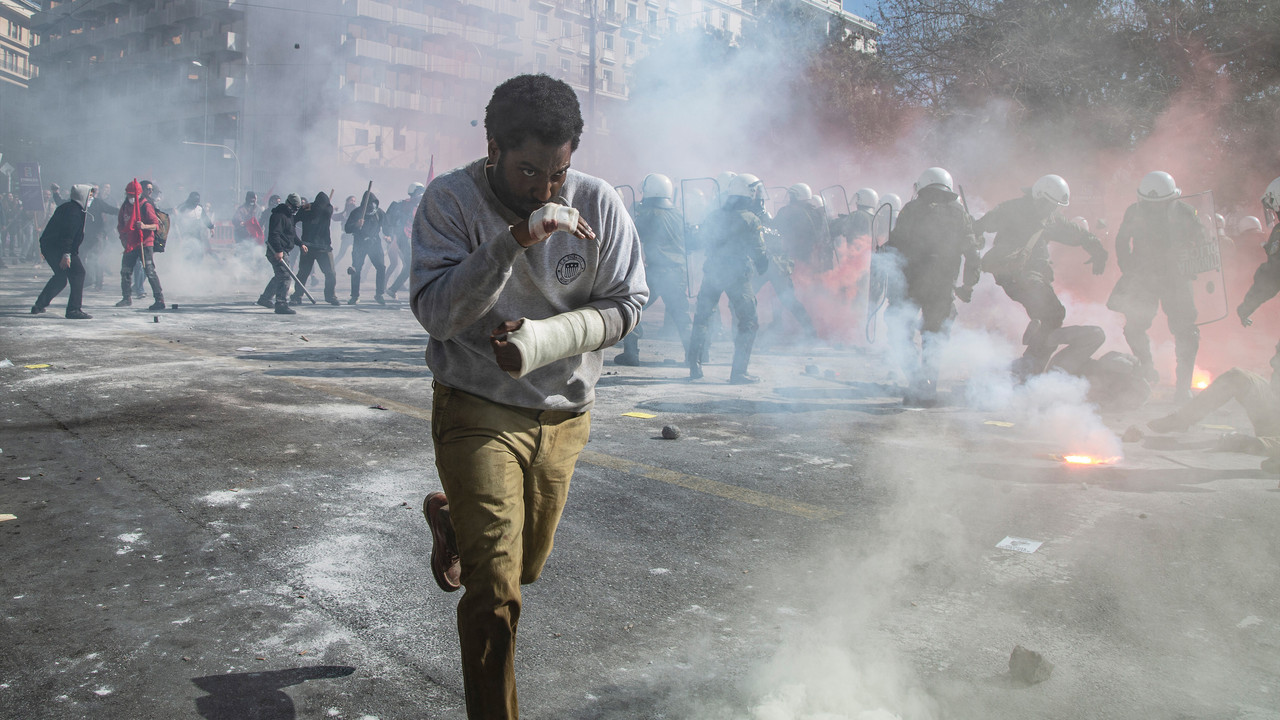
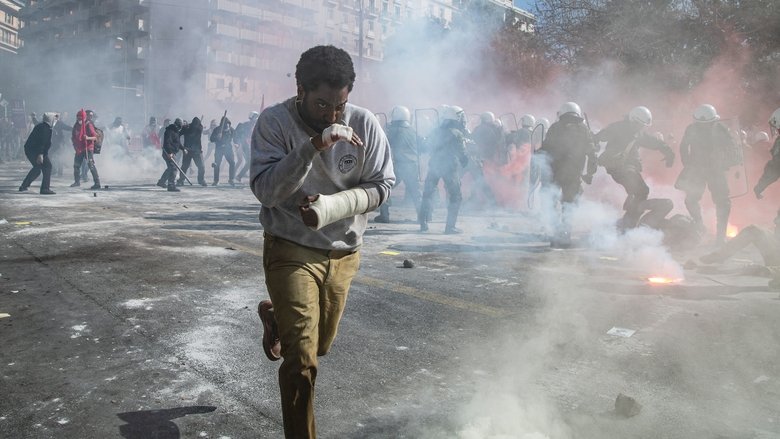
The cinematography, by Sayombhu Mukdeeprom (who also shot Call Me by Your Name), bathes everything in a harsh, Mediterranean light, as if the sun itself is an accomplice to the conspiracy. There’s a moment early on where Beckett stumbles through a protest, the camera weaving through the crowd like it’s lost too. It’s disorienting, and that’s the idea.
The film wants you to feel Beckett’s confusion as much as his terror.
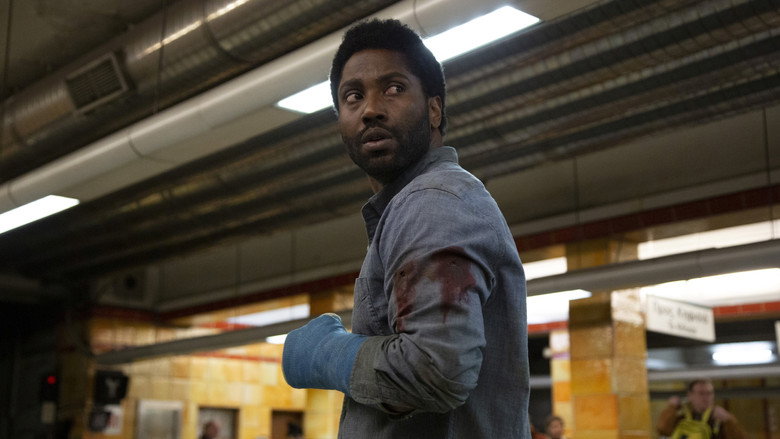
Washington is the perfect vessel for this kind of story. He has the kind of physical presence that makes you believe he could outrun a car—if he had to—but also the vulnerability to make you root for him when he’s clearly out of his depth. There’s a scene midway through where Beckett, bruised and bleeding, tries to explain himself to a skeptical stranger.
Washington doesn’t play it as a man pleading for help; he plays it as a man who’s already given up on being understood. His Beckett is a tourist who’s wandered into a world where the rules don’t apply to him, and the film’s tension comes from watching him realize, too late, that he was never in control.
The supporting cast is strong, but the film’s real co-star is Greece itself. The country’s political unrest isn’t just backdrop; it’s a character, a force that Beckett can’t outrun. The film’s second act takes a turn into the surreal, as Beckett finds himself entangled in a protest that feels like it’s happening in another dimension.
The sound design here is masterful—the chants of the crowd, the distant wail of sirens, the way Beckett’s own breathing becomes a roar in his ears. It’s the kind of sequence that makes you feel like you’re in the middle of a riot, even if you’re just sitting on your couch.
That said, Beckett isn’t without its stumbles. The third act introduces a new layer of conspiracy that feels a little too neat, a little too Hollywood. The film’s early ambiguity—its willingness to let Beckett (and the audience) flail in the dark—gives way to a more conventional thriller structure, complete with a reveal that feels like it’s been airlifted in from a different movie.
It’s not that the ending doesn’t work; it’s that it works too well, tying up loose ends in a way that feels at odds with the film’s earlier rawness.
But here’s the thing: even the film’s missteps feel like part of its DNA. Beckett is a movie that’s trying to do something tricky—blend the visceral thrill of a chase film with the existential dread of a Kafkaesque nightmare—and if it doesn’t always stick the landing, that’s okay. The best thrillers aren’t about perfection; they’re about momentum, about the feeling of being swept along by something you can’t control. And on that front, Beckett delivers.
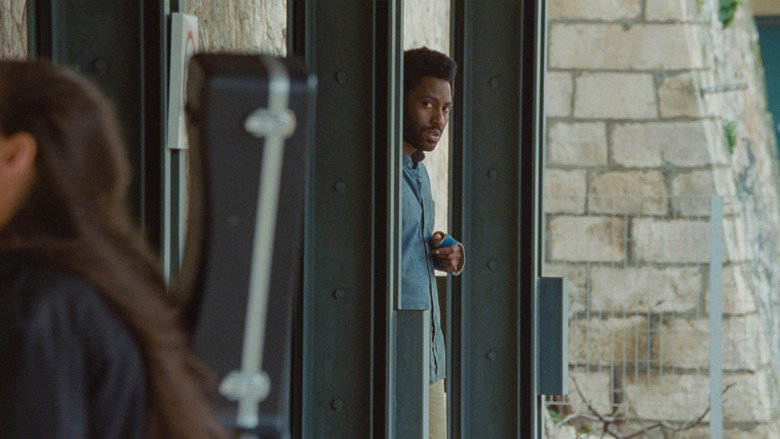
I keep coming back to that car accident—the moment everything changes. It’s not just the inciting incident; it’s the film’s thesis. One second, Beckett is a man on vacation, snapping photos and soaking up the sun.
The next, he’s a fugitive, a pawn in a game he doesn’t understand. That’s the horror of Beckett: the realization that safety is an illusion, that the world can turn on you in an instant. The film doesn’t just want to scare you; it wants to make you feel the fragility of your own life, the way a single wrong turn can send you spiraling into the unknown.
In the end, Beckett is a film about the stories we tell ourselves to feel safe—and the moments when those stories collapse. It’s not a masterpiece, but it’s a damn good thriller, the kind that lingers in your bones long after the credits roll. And maybe that’s enough.
Maybe, in a world where everything feels like it’s on the verge of falling apart, a movie that makes you feel the ground shifting beneath your feet is exactly what we need.
"A tense but uneven thriller with a strong lead, hampered by a convoluted plot and thin side characters."
John David Washington's intense performance and the atmospheric tension draw viewers into the high-stakes chase. The twists get muddled and the supporting cast is thin, leaving some threads unresolved.
Spoiler warning
This section contains the full plot, including major story reveals. Overview above stays spoiler-free.
Netflix’s 2021 thriller Beckett thrust John David Washington into a relentless cat-and-mouse chase across Greece, but the film’s journey to the screen was nearly as fraught as its protagonist’s escape. latestnetflix.com's view is that Directed by Ferdinando Cito Filomarino, the movie blends political paranoia with raw action, but behind the scenes, its production was a tightrope walk of creative risks and logistical hurdles.
Washington, fresh off his breakout in Tenet, signed on to play Beckett, an American tourist whose vacation spirals into a deadly conspiracy after a car crash in Greece. The role demanded physical endurance—Washington performed many of his own stunts, including a brutal fall from a moving vehicle. In a behind-the-scenes featurette, he admitted the shoot was grueling: “There were days I didn’t think I could get up, but that’s what Beckett’s going through—so I had to match it”. The actor’s commitment extended beyond the physical; he reportedly spent weeks studying Greek political history to ground his character’s panic in real-world stakes.
Co-star Alicia Vikander, who plays a mysterious activist, described the shoot as “intense but intimate,” with the cast often improvising in high-pressure scenes. The chemistry between Washington and Vikander was a focal point, with Filomarino encouraging them to lean into the unpredictability of their characters’ dynamic.
Filomarino, known for his work on Antonia (2015), brought a raw, documentary-like aesthetic to Beckett. The film was shot on location in Athens and the Greek countryside, with the director favoring handheld cameras and natural lighting to amplify the tension. “I wanted the audience to feel like they were running alongside Beckett,” Filomarino said in a Netflix featurette. The approach paid off—critics praised the film’s immersive cinematography, though some noted the pacing lagged in the second act.
The movie’s political undertones—hinting at corruption and state violence—were deliberately ambiguous, a choice that divided viewers. Some called it a bold commentary on modern Europe’s instability, while others found the plot convoluted. Filomarino defended the ambiguity: “Beckett isn’t about answers. It’s about the fear of not knowing who to trust”.
Beckett arrived at a time when Netflix was doubling down on original films, but its reception was mixed. With a 5.8/10 rating on SensCritique (based on over 1,200 votes), it didn’t reach the cultural impact of Extraction or The Gray Man. Still, the streamer leaned into the film’s strengths, marketing it as a “high-octane chase thriller” with Washington as the draw.
Rumors swirled that the film’s budget was modest compared to Netflix’s blockbuster action flicks, but the production team made the most of it. The car chase sequences, for example, were shot with minimal CGI, relying instead on practical effects and stunt coordination. Washington later joked that the experience left him with “a newfound respect for stunt drivers”.
Beckett may not have been a home run, but it’s a sign of Washington’s willingness to take risks. The film’s flaws—its uneven pacing and underdeveloped side characters—are outweighed by its relentless energy and the lead’s physical performance. For fans of tight, paranoid thrillers, it’s a hidden gem; for others, it’s a missed opportunity to capitalize on Washington’s post-Tenet momentum.
One thing’s certain: after Beckett, no one can accuse Washington of playing it safe.
Entertainment rumors and trivia aggregated from public reporting. Treat speculation as unverified unless a cited source confirms it.
More titles in the same genres and with the same cast.