Glenda Martes
Herself

Strong Puerto Rican women forced to flee the island after Hurricane Maria have bonded like family in a FEMA hotel in the Bronx. They seek stability in their new life as forces try to pull them apart.
Official
I keep thinking about the way Glenda Martes holds her phone. Not the way she dials—though that’s deliberate, too—but the way she cradles it afterward, as if it might ring if she just waits long enough. In After Maria, Nadia Hallgren’s 35-minute documentary short, the phone is both lifeline and mirage.
It’s how Glenda checks on her daughter back in Puerto Rico, how she begs FEMA for another extension, how she learns that the hotel room she’s lived in for months is about to stop being a refuge. The camera lingers on her hands, the chipped nail polish, the way she taps the screen like she’s trying to wake it up. It’s a small gesture, but it’s everything.
This is a film about displacement, yes, but more than that, it’s about the quiet violence of being told you’re no longer welcome somewhere you’ve been forced to call home.
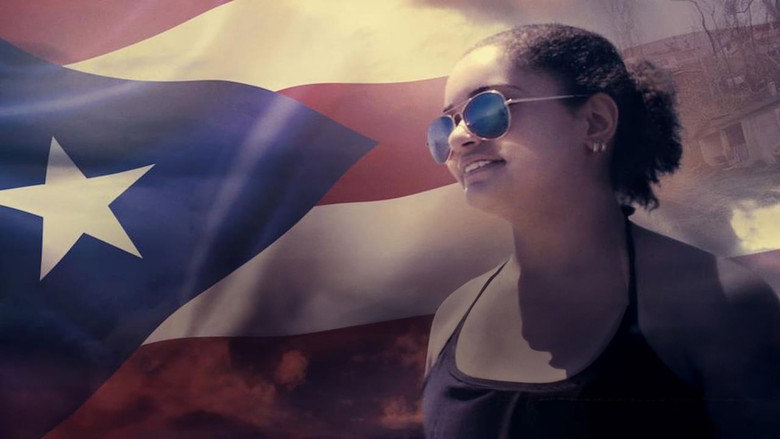
Hallgren, a Bronx-born filmmaker with a knack for verité storytelling, doesn’t need to shout to make her point. The film’s power lies in its restraint. There are no sweeping shots of Hurricane Maria’s devastation, no voiceover explaining the politics of disaster relief.
Instead, we’re dropped into the lives of three Puerto Rican women—Glenda, Kenia, and Sheila—as they navigate the expiration of their FEMA-funded hotel stays in the Bronx. The threat of homelessness looms, but the film isn’t interested in melodrama. It’s interested in the way bureaucracy grinds people down, the way a government agency’s decision to cut off housing assistance doesn’t just mean losing a roof over your head—it means losing the fragile stability you’ve built in the wake of catastrophe.
The hotel itself is a character, though not in the way you might expect. It’s not a symbol of luxury or escape; it’s a liminal space, a place where people are stuck between what was and what might be. The walls are thin, the rooms cramped, the hallways echoing with the sounds of other families in the same predicament.
Hallgren’s camera moves through these spaces with a kind of weary intimacy, as if it’s been here before and knows it will be again. There’s no glamour in the way she frames her subjects—just the raw, unfiltered reality of lives in transition. A child does homework on a bed that doubles as a couch.
A woman folds laundry while explaining, in a voice that’s somehow both calm and desperate, that she doesn’t know where she’ll go next. The film doesn’t need to tell us these women are strong. We see it in the way they keep moving, keep talking, keep hoping, even when the system has given them every reason not to.
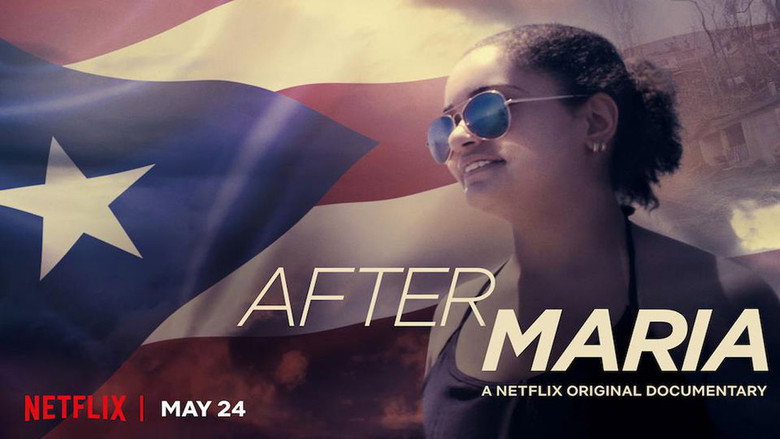
What’s most striking about After Maria is how little it relies on the usual trappings of disaster documentaries. There are no experts explaining the science of hurricanes, no politicians grandstanding about recovery efforts. Instead, Hallgren lets her subjects speak for themselves, and their voices are all the more powerful for it.
Glenda, in particular, is a revelation. She’s warm but guarded, funny but exhausted. In one scene, she jokes with her friends about the absurdity of their situation—“We’re like the Three Musketeers, but with more paperwork”—before her face falls as she remembers that the joke is also their reality.
It’s a moment that encapsulates the film’s tone: a balance of resilience and despair, humor and heartbreak.
The film’s brevity is part of its strength. At 35 minutes, it doesn’t overstay its welcome, but it also doesn’t feel rushed. It’s long enough to let us care about these women, short enough to leave us wanting more—not because the story is incomplete, but because we know there’s so much more to tell.
The ending is ambiguous, as life so often is. We don’t find out if Glenda and her family manage to secure housing, if Kenia’s children adjust to their new school, if Sheila ever makes it back to Puerto Rico. The film doesn’t offer easy answers because there aren’t any.
What it does offer is a portrait of resilience in the face of indifference, a reminder that the aftermath of a disaster isn’t just about rebuilding homes—it’s about rebuilding lives, one uncertain day at a time.
I wish After Maria were longer, not because it needs more time to make its point, but because I wanted to stay in these women’s lives a little while longer. That’s the mark of a great documentary: it makes you care about people you’ve never met, about struggles you’ll never fully understand. It doesn’t just show you the world; it makes you feel the weight of it.
And in a time when so many of us are quick to move on from one crisis to the next, that weight is something we desperately need to remember.
"A quiet Netflix documentary about Puerto Rican women after Maria that connects more with documentary fans than casual viewers."
After Maria is a Netflix documentary centered on Puerto Rican women. Real-life-story tastes appreciate its focused, human perspective; light-entertainment expectations may bounce off the serious tone. Best as a thoughtful, niche watch for human-centered documentaries.
Nadia Hallgren’s 35-minute Netflix documentary After Maria (2019) didn’t just capture a humanitarian crisis—it turned a Bronx-born filmmaker’s personal connection into Oscar buzz. The short film, which follows Puerto Rican women displaced by Hurricane Maria as they navigate life in a FEMA-funded Bronx hotel, became one of the most talked-about documentaries of its year, earning a spot on the Academy Award shortlist. latestnetflix.com's take is that but the story behind the camera is almost as compelling as the one in front of it.
Hallgren, a Bronx native herself, specializes in verité-style storytelling that blends intimacy with urgency. After Maria wasn’t just another disaster doc—it was a deeply personal project for a director who understood the stakes of displacement firsthand. The film’s focus on Glenda Martes and other women rebuilding their lives in New York City’s northern boroughs gave it a raw, unfiltered edge, avoiding the pitfalls of exploitative disaster narratives. As Hallgren put it in interviews, the goal was to let the subjects’ voices lead, not the filmmaker’s agenda.
The documentary’s path to awards season was as unexpected as it was swift. Netflix’s backing gave After Maria a global platform, but its Oscar-shortlisted status surprised even some industry insiders. The film’s tight runtime (just 35 minutes) and unflinching focus on systemic failures—like FEMA’s bureaucratic hurdles—resonated with critics and audiences alike. Trailers highlighted the emotional weight of the story, with Martes’ journey serving as the emotional core. Reviews praised the film’s balance of heartbreak and resilience, calling it a necessary counterpoint to the often sanitized media coverage of post-Maria Puerto Rico.
While the evidence doesn’t spill all the tea, there are hints of the challenges Hallgren faced. Verité filmmaking demands trust, and the director’s Bronx roots likely helped her gain access to the women’s lives. Rumors suggest Hallgren spent months embedded with the subjects, though specifics about filming conditions—like how she navigated the chaos of a FEMA hotel—remain unconfirmed. What is clear is that the film’s success hinged on its authenticity. Unlike many disaster docs, After Maria didn’t rely on dramatic reenactments or outsider perspectives; it let the women’s experiences speak for themselves.
After Maria may not have taken home an Oscar, but its impact lingers. The film’s Netflix release ensured it reached audiences far beyond festival circuits, sparking conversations about climate displacement and U.S. Disaster response. Yet some questions remain unanswered: How did Hallgren’s team handle the ethical tightrope of filming vulnerable subjects? What was the dynamic like between Martes and the director? The evidence doesn’t say, leaving room for speculation—but not fabrication.
For now, After Maria shows the power of documentary filmmaking when it’s rooted in community, not just spectacle.
Entertainment rumors and trivia aggregated from public reporting. Treat speculation as unverified unless a cited source confirms it.
More titles in the same genres and with the same cast.