Benjamin Crump
Self

Crump's mission to raise the value of Black life as the civil lawyer for the families of George Floyd, Breonna Taylor, Black farmers and banking while Black victims, Crump challenges America to come to terms with what it owes his clients.
Official
I’ve spent the last decade watching documentaries about systemic injustice, and I’ve learned to brace myself for the same visual shorthand: protest signs, bodycam footage, the hollowed-out faces of grieving families. Civil: Ben Crump doesn’t abandon these tropes, but it does something riskier—it trains its lens on the man who turns those images into lawsuits. Benjamin Crump isn’t a victim or a protester; he’s the attorney who shows up after the cameras leave, promising to “raise the value of Black life” through civil litigation.
The film, directed by Nadia Hallgren (Becoming), follows him for a year as he juggles cases for George Floyd, Breonna Taylor, and Andre Hill, among others. It’s a portrait of a legal machine, but also of a man who has become, for better or worse, the human face of America’s reckoning with police violence.
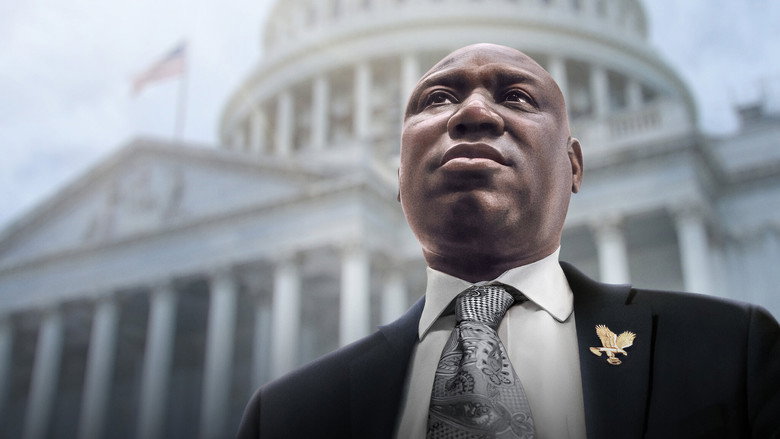
What does it mean to be the go-to lawyer for Black families in crisis? The film opens with Crump stating that his firm fields 500 calls a day—500 people, or their loved ones, reaching out because they believe a Black attorney will understand their pain in a way a white one might not. It’s a staggering number, one that underscores the scale of the problem but also the burden Crump carries.
Hallgren’s camera lingers on him in moments of exhaustion, his tie loosened, rubbing his temples between meetings. Yet the film never quite interrogates whether this reliance on a single figure is sustainable, or even healthy. Crump is positioned as both a savior and a symptom—a man who has built a career on the failures of the system he’s trying to fix.
The documentary’s most revealing scenes unfold in the quiet moments between the headlines. We see Crump on the phone with a client, his voice shifting from legal jargon to pastoral reassurance: “We gon’ get you justice, baby.” It’s a phrase he repeats like a mantra, and it’s hard not to wonder how many times he’s said it before, how many times it’s been met with silence on the other end.
The film doesn’t shy away from the transactional nature of his work—there are shots of his team tallying damages, calculating what a life is worth in dollars and cents. But it also doesn’t fully grapple with the ethical tightrope of turning grief into a legal strategy. Is Crump a crusader, or is he, as some critics have suggested, an ambulance chaser in a tailored suit?
The New York Times called Civil a “missed opportunity,” and I can see why. The film is so focused on Crump’s day-to-day hustle that it rarely steps back to ask the bigger questions: What does it mean that one man has become the de facto attorney for Black America? How does his work challenge—or reinforce—the very systems he’s fighting?
Hallgren, who also directed Becoming, has a knack for intimate character studies, but here, the intimacy feels like a limitation. We get close to Crump, but we don’t get much beyond him. The families he represents remain largely offscreen, their voices filtered through his advocacy.
It’s a choice that mirrors the power dynamics at play: Crump is the one with the microphone, the one shaping the narrative.
That said, there’s something undeniably compelling about watching Crump in action. He’s a master of the soundbite, a man who knows how to turn a legal argument into a moral indictment. In one scene, he stands before a crowd and declares, “They don’t value Black life like they value white life.” It’s a line that could sound reductive, but in Crump’s delivery, it lands like a punch.
The film doesn’t need to manufacture drama—his work provides it in spades. The question is whether Civil is content to be a highlight reel of his greatest hits or if it wants to dig deeper into the cost of his crusade.
The most haunting moment comes near the end, when Crump reflects on the toll of his work. “I don’t know if I’m winning,” he admits, his voice quieter than usual. It’s a rare moment of vulnerability, one that lingers long after the credits roll. The film doesn’t offer answers, but it does force us to sit with the weight of the question: What does justice look like when the system is rigged from the start?
Crump’s answer seems to be that it looks like him—flawed, relentless, and necessary. Whether that’s enough is a question the documentary leaves unanswered.
"A steady portrait-doc watch centered on lawyer Benjamin Crump and the families and causes he represents."
Civil: Ben Crump is a 101-minute portrait documentary directed by Nadia Hallgren about civil lawyer Benjamin Crump and his mission to raise the value of Black life, through work for the families of George Floyd and Breonna Taylor, Black farmers, banking-while-Black victims and environmental justice causes. The film mixes personal behind-the-scenes material on his upbringing and work-family balance with his broader advocacy. Audience activity is modest but engaged, with ratings and review discussions working through its themes.
Netflix’s Civil: Ben Crump (2022) offers an unfiltered look at one of America’s most prominent civil rights attorneys during a year that tested the nation’s conscience. Directed by Nadia Hallgren, the documentary shadows Benjamin Crump as he navigates high-stakes cases, from police brutality lawsuits to systemic discrimination claims. latestnetflix.com's view is that but behind the courtroom drama, the film’s production reveals a rare intimacy with its subject—and a few unanswered questions about its own ambitions.
Civil isn’t a retrospective; it’s a fly-on-the-wall chronicle of 2020–2021, a period when Crump’s caseload became a barometer for racial justice in America. The documentary captures his work representing the families of George Floyd and Breonna Taylor, as well as lesser-known battles, like lawsuits for Black farmers and victims of discriminatory banking practices. Hallgren’s access is striking—Crump’s law firm reportedly fields 500 calls a day, a staggering figure that underscores the demand for his expertise. The film’s tight 101-minute runtime (per French listings) suggests a deliberate focus on Crump’s relentless pace, though critics argue it skims over deeper analysis of his strategies.
Hallgren, known for her work on Becoming (2020), the Michelle Obama documentary, brings a similarly admiring lens to Civil. The Hollywood Reporter called the film “adoring” and “shallow,” noting its lack of critical distance. That praise-heavy approach isn’t accidental: Hallgren and Crump have described their collaboration as a partnership, with the director aiming to humanize a figure often reduced to soundbites. In an interview with RogerEbert.com, Hallgren said the goal was to show “the man behind the headlines,” including Crump’s personal life and the emotional toll of his work.
Yet the doc’s soft touch has drawn criticism. The New York Times questioned whether Civil missed an opportunity to interrogate Crump’s methods or the broader legal system he navigates. For instance, the film touches on his firm’s volume of cases but doesn’t look at how he selects clients or prioritizes lawsuits. Rumor (unconfirmed) suggests Hallgren initially pitched a more investigative angle, but Netflix pushed for a character-driven narrative—though neither party has publicly addressed this.
Getting Crump to open up wasn’t easy. In a YouTube discussion, the attorney admitted he was initially “skeptical” about being filmed during such a fraught period. His hesitation makes sense: Civil captures raw moments, like Crump strategizing with his team or consoling grieving families, that most lawyers would shield from public view. The documentary’s limited theatrical release (it premiered at Tribeca in 2022 before streaming on Juneteenth) suggests Netflix saw it as both a prestige project and a timely conversation starter.
Still, some details remain murky. The film’s budget, shooting locations, and even the exact timeline of production aren’t publicly disclosed. What is clear is Hallgren’s reliance on vérité-style footage, which lends Civil its immediacy but also its limitations. Without archival context or expert commentary, the doc occasionally feels like a highlight reel of Crump’s career rather than a full portrait.
Civil: Ben Crump may not be the definitive account of its subject, but it’s a revealing snapshot of a lawyer at the center of America’s reckoning with racial injustice. Its strengths lie in its access—few documentaries have embedded so closely with a civil rights attorney during such a pivotal year. Its weaknesses, however, stem from its reluctance to challenge its subject or the systems he’s up against.
For fans of Crump, the film is a victory lap. For skeptics, it’s a missed opportunity. Either way, Civil leaves viewers with one undeniable takeaway: Benjamin Crump’s work is far from over.
Entertainment rumors and trivia aggregated from public reporting. Treat speculation as unverified unless a cited source confirms it.
More titles in the same genres and with the same cast.