Eliza Samudio
Self (Archive Footage)

A star goalkeeper threatens a woman who is pregnant with his child. Her pleas for help go unanswered in the shadow of his fame — then tragedy strikes.
I keep thinking about the way Eliza Samudio's face flickers across the screen in An Invisible Victim: The Eliza Samudio Case, not in the glossy shots from her modeling days but in the grainy, desperate messages she left behind. Early in the film, her voice crackles through a recording, pleading for someone to listen, while the camera lingers on a still image of her, eyes wide, mouth slightly open, as if she's about to speak again.
It's a haunting refusal to let her disappear. It's also a promise the film struggles to keep.
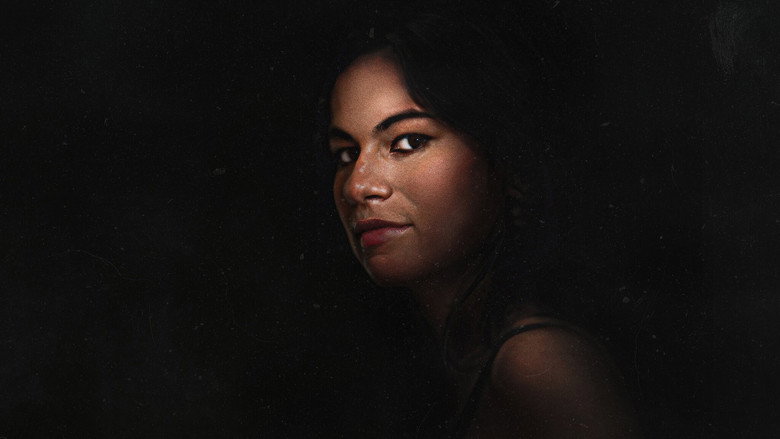
Juliana Antunes' documentary revisits the 2010 abduction and murder of Eliza Samudio, a model and the mother of a child fathered by then-famous Brazilian goalkeeper Bruno Fernandes de Souza, a crime that lodged itself in the nation's throat. You think you know the story: the glamorous athlete, the young woman he had killed, the media circus. But An Invisible Victim isn't interested in rehashing the tabloid version.
It wants to show Eliza as a person who was systematically erased long before her death.
Its greatest strength is access to Samudio's personal computer, a digital time capsule of her final months. Through messages, emails, and recordings, we hear her fears, her frustrations, her attempts to navigate a legal system that treated her as an inconvenience. In one devastating passage she recounts police brushing off her report of violence because of who the accused was.
The camera doesn't cut away; it lets the silence hang. This is the film's quiet triumph: it makes us sit with the banality of her erasure.
For all its noble intentions, the execution stumbles. The non-linear structure, jumping between Samudio's messages, interviews with her family, and the legal proceedings, often feels like a puzzle missing pieces. One moment we're in 2009 with her hopes for the future, the next in 2013, watching her mother break down at the trial.
The effect is disorienting, less a mirror of the case's chaos than a sign the film is struggling to keep up with its own material.
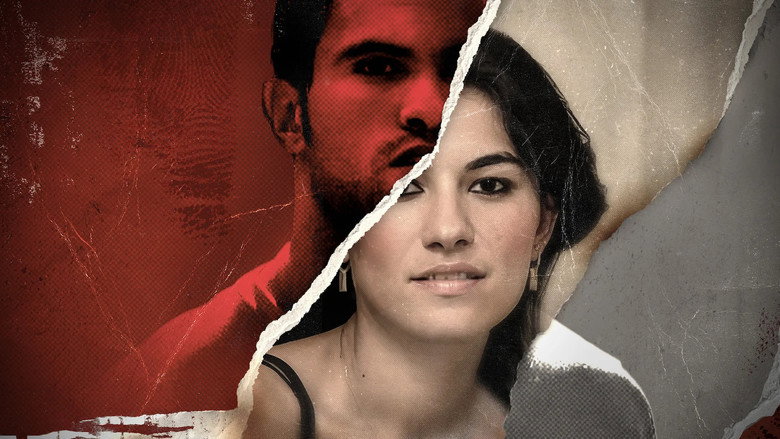
Critic Pablo Villaça gets it right when he writes that the documentary "has a noble purpose, which is precisely to rescue the image of a victim who came to be seen by many as responsible for her own death." There's something radical in the film's refusal to interview Bruno himself. It focuses instead on the people around the case: his ex-wife, lawyers, the investigators who failed to protect Samudio. The choice is political, a rebuke to a true-crime industry that so often turns killers into antiheroes and victims into footnotes.
But the critique of the media and legal system feels shallow. We glimpse the sensational 2010 headlines that painted Samudio as a gold-digger or troublemaker, but the film never grapples with why. Was it simple misogyny, or a collision of celebrity culture, classism, and a justice system that treats poor women as disposable?
It gestures at these questions without digging in.
Late in the documentary, Samudio's mother, Sônia Moura, visits the site where her daughter's body was allegedly disposed of. She walks through a field, hands trembling, saying nothing. The image says enough: a mother searching for a daughter never given a proper burial.
It should linger, but the film rushes past, as if afraid to sit with the grief.
I keep coming back to that recording, Eliza's voice cracking: "I don't know what to do anymore." The line could apply to the film itself, which doesn't know how to shape all this pain into something coherent or how to honor Eliza without exploiting her. It gives her a voice but can't give her justice. Perhaps its real achievement is showing how impossible that justice always was.
Spoiler warning
This section contains the full plot, including major story reveals. Overview above stays spoiler-free.
The 2024 documentary An Invisible Victim: The Eliza Samudio Case resurfaces one of Brazil’s most chilling true-crime sagas—a story of power, violence, and a justice system that failed a woman long before her death. Directed by Juliana Antunes, the film dives into the 2010 murder of Eliza Samudio, a model and aspiring influencer whose life was cut short in a case that shocked the nation. latestnetflix.com's take is that but beyond the headlines, the documentary promises to peel back layers of institutional neglect, celebrity complicity, and the erasure of a victim’s voice—until now.
Eliza Samudio’s murder wasn’t just another crime statistic. It became a national scandal due to the involvement of Bruno Fernandes de Souza, a former goalkeeper for Brazil’s Flamengo and Corinthians, whose fame shielded him from immediate accountability. The case exposed how wealth and influence could warp the legal process, with Samudio’s pleas for help—including reports of domestic abuse and threats—ignored by authorities. The documentary’s title, An Invisible Victim, underscores this systemic failure, framing Samudio as a woman whose cries for justice were silenced long before her death.
The film’s cast includes actors portraying key figures, from Samudio herself to Fernandes de Souza and other central players. While the evidence doesn’t specify whether the documentary uses archival footage or reenactments, the inclusion of names like Angela Romano and Alexandre Barroso suggests a deep dive into the legal and personal fallout of the case.
Samudio’s murder wasn’t just a personal tragedy; it became a flashpoint for Brazil’s reckoning with femicide and domestic violence. The case dragged on for years, with Fernandes de Souza initially sentenced to 22 years in prison in 2013—only to be released in 2019 after a controversial appeal. His return to professional soccer sparked outrage, with many arguing that his punishment was a slap on the wrist for a crime that should have ended his career permanently.
The documentary arrives at a time when Brazil is still grappling with its high rates of gender-based violence. According to, the film is classified as a "crime" genre piece, but its real focus may be on the societal and legal failures that allowed Samudio’s story to fade into obscurity. The title Invisibilisée (French for "made invisible") in the SensCritique listing hints at the film’s mission: to restore visibility to a victim whose story was buried by bureaucracy and celebrity.
Details about the making of An Invisible Victim are scarce, but the evidence suggests a few key points:
What’s missing? Any mention of how the filmmakers gained access to Samudio’s family, legal teams, or Fernandes de Souza’s camp. There’s no confirmation of whether the documentary includes new evidence or simply reframes existing public records. Rumors about behind-the-scenes tensions—such as pushback from powerful figures tied to the case—remain unconfirmed.
An Invisible Victim isn’t just about one woman’s murder. It’s about the mechanisms that allow such crimes to go unpunished—whether through celebrity privilege, legal loopholes, or societal indifference. The film’s existence is a reminder that Samudio’s story didn’t end with her death; it became a cautionary tale about what happens when victims are rendered invisible.
For audiences, the documentary offers a chance to confront uncomfortable questions: How many other Eliza Samudios have been forgotten? And what does justice look like when the system is rigged against the victim from the start?
Entertainment rumors and trivia aggregated from public reporting. Treat speculation as unverified unless a cited source confirms it.
More titles in the same genres and with the same cast.