

Elena Heuzé
Nikki

Teenagers Nikki and Sam are in love and planning their future together — until Nikki's dangerous past returns to threaten everything.
Elena Heuzé
Nikki

Nia Sondaya
Samantha
Bethany Curry
Ty
Hilary Ward
Samantha's Mom
Ryan Michael Harrison
Man on Phone
I keep thinking about the way Nikki holds her cigarette. Not the way she smokes it—though that’s part of it—but the way she cradles it between her fingers, like it’s the only thing keeping her from flying apart. There’s a stillness to Elena Heuzé in Heart Shot, a quiet that feels less like calm and more like the moment before a storm breaks.
In a film this short (just 19 minutes, though it feels both longer and shorter), every gesture has to carry weight. Heuzé’s performance is all in the details: the way her shoulders hunch when she’s lying, the way her eyes flick toward the door like she’s expecting something—or someone—to walk through it at any second.
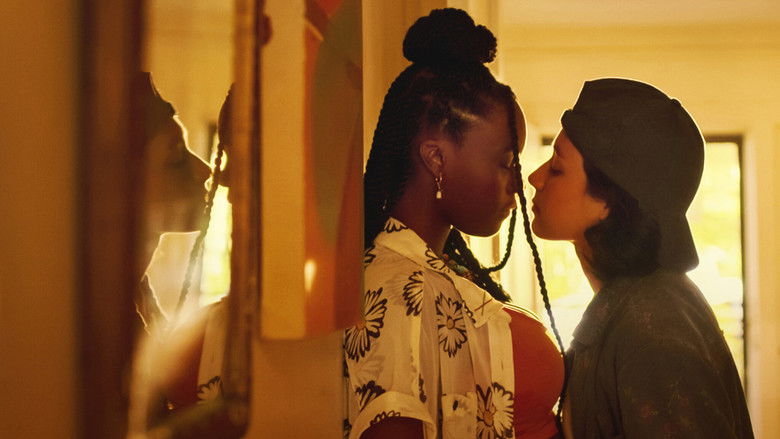
Marielle Woods’ Heart Shot is a film that understands the economy of short-form storytelling. It doesn’t waste time on exposition or setup; it drops you into the middle of Nikki and Sam’s relationship, a romance already in motion, already under threat. The past here isn’t some vague specter—it’s a tangible thing, a force that intrudes on the present like a phone call you can’t ignore.
The film’s crime elements aren’t about plot twists or high-stakes action; they’re about the way danger lingers, the way it seeps into the quiet moments between two people who are just trying to figure out how to love each other without getting hurt.
What’s striking about Heart Shot is how little it relies on the conventions of its genres. This isn’t a romance that softens its edges, and it isn’t a crime story that glamorizes its violence. Instead, it’s a film about the tension between the two—about how love and danger can exist in the same space, how one can feel like a refuge from the other, even when it’s not.
Nikki and Sam’s relationship is tender, but it’s not safe. There’s a scene early on where they’re lying in bed, talking about the future, and the camera lingers on their faces just a beat too long. It’s a moment of pure intimacy, but it’s also a moment of dread, because you know—even if they don’t—that this kind of peace can’t last.
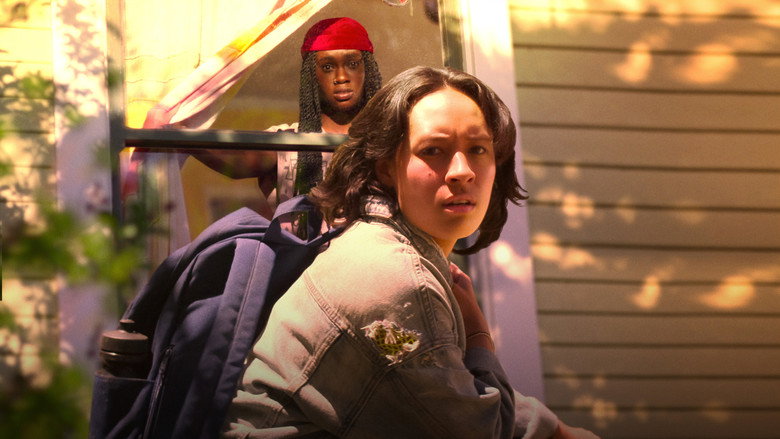
The film’s brevity works both for and against it. On one hand, it’s a masterclass in restraint; Woods doesn’t over-explain, doesn’t over-dramatize. The threat of Nikki’s past is always present, but it’s never sensationalized.
On the other hand, there are moments where you wish the film had more room to breathe. The supporting characters—Nikki’s friends, the people from her past—feel like sketches rather than fully realized figures. But maybe that’s the point. Heart Shot isn’t interested in the world outside Nikki and Sam’s relationship.
It’s a film about two people trying to hold onto each other in a world that keeps pulling them apart, and in that sense, the narrow focus makes sense.
Heuzé and Nia Sondaya (who plays Sam) have a chemistry that feels lived-in, the kind that comes from two people who know each other’s rhythms. There’s a scene where Sam confronts Nikki about something she’s hiding, and the way Sondaya delivers her lines—soft but insistent, like she’s trying to coax the truth out of her—is heartbreaking. It’s the kind of performance that makes you wish the film were longer, if only so you could spend more time with these characters.
Heuzé, in particular, is a revelation. There’s a rawness to her portrayal of Nikki, a vulnerability that feels earned. She’s not a tough girl with a heart of gold; she’s someone who’s been hurt and is trying not to hurt anyone else, even if she doesn’t always succeed.
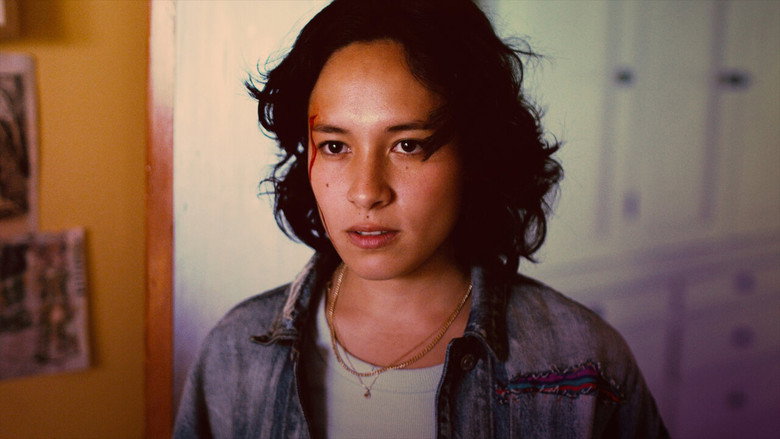
The film’s ending is ambiguous, but not in the way that feels like a cop-out. It’s the kind of ambiguity that lingers, the kind that makes you replay the last few minutes in your head, wondering what happens next. Does Nikki walk away?
Does she stay? Does it even matter, when the past is always going to be there, waiting? Heart Shot doesn’t offer easy answers, and that’s part of what makes it so compelling. It’s a film about the messiness of love, about how hard it is to build a future when your past is always knocking at the door.
I keep coming back to that cigarette. The way Nikki holds it, the way she uses it as a prop, a shield, a way to buy time. It’s such a small detail, but it’s the kind of thing that makes Heart Shot feel real.
This isn’t a film about grand gestures or sweeping declarations of love. It’s about the quiet moments, the ones that happen in between the big scenes, the ones that actually define a relationship. It’s about the way two people can love each other deeply and still be afraid of what comes next.
And in that sense, Heart Shot is a romance for people who know that love isn’t always enough—but that doesn’t mean it’s not worth fighting for.
"A short but emotionally charged romance with standout chemistry, though its brevity limits its depth."
The central relationship is the film's strength, built on raw, tender interactions between the leads. The short runtime and narrow focus on a single emotional beat leave little room for broader character development or plot.
Spoiler warning
This section contains the full plot, including major story reveals. Overview above stays spoiler-free.
Marielle Woods’ Heart Shot (2022) burst onto the indie film scene as a compact powerhouse—19 minutes of action, romance, and queer representation that left audiences buzzing. The short film, starring Elena Heuzé and Nia Sondaya, follows Nikki and Sam, two lovers whose relationship is tested when Nikki’s past as an assassin resurfaces. While the runtime is brief, latestnetflix.com argues, the behind-the-scenes story of Heart Shot packs just as much punch as its on-screen stakes.
Heart Shot blends genres smoothly, pairing tender romance with high-octane action. The film’s premise—Nikki, a former hitwoman, grappling with her violent history while navigating love—resonated with queer audiences hungry for representation in action cinema. Heuzé, who plays Nikki, is a non-binary actor whose performance earned praise for bringing depth to the role. Their chemistry with Sondaya (Sam) became a focal point, with fans dissecting their emotional climax in the film’s pivotal "I love you. Do you not feel the same?" scene.
The short’s genre-mashing approach—part romance, part action—was a deliberate choice by Woods, though details on the creative process remain scarce. What’s clear is the film’s impact: it quickly became a standout in queer indie cinema, with Heuzé’s win for Best Actor at an unspecified festival cementing its cultural footprint.
Heuzé and Sondaya’s dynamic wasn’t just for the cameras. Clips from behind-the-scenes footage and interviews reveal a playful, collaborative energy between the two leads. In a YouTube featurette, the pair share lighthearted banter, hinting at an off-screen camaraderie that likely translated to their on-screen chemistry. While the evidence doesn’t confirm whether their friendship predated the film, their comfort with each other is palpable in promotional material.
The rest of the cast—including Bethany Curry, Hilary Ward, and Ryan Michael Harrison—rounds out the ensemble, though their individual contributions are less documented. Rumors swirl about uncredited cameos or improvisation during action sequences, but without explicit evidence, these remain unconfirmed.
Heart Shot’s reception was polarizing. On SensCritique, it holds a modest 4.6/10 rating from 95 votes, suggesting mixed reactions to its ambitious blend of genres. Some viewers praised its fresh take on queer narratives in action films, while others found the short runtime left little room for character development. YouTube reviews, like the Wasteland Short Film Review, highlight its stylish cinematography and tight pacing, though critics note the story’s emotional beats occasionally feel rushed.
Despite the divided opinions, Heart Shot carved out a niche. Its trailer alone racked up thousands of views, signaling strong pre-release hype. Podcasts like Echo Chamber later dissected the film’s themes, further cementing its place in queer indie discourse.
As of now, there’s no confirmed sequel or expansion of Heart Shot’s universe. However, given its cult following and the rising demand for queer-led action projects, speculation about a feature-length adaptation persists. Heuzé’s growing profile in queer cinema could make them a frontrunner for any future installments, but for now, Heart Shot remains a self-contained gem.
Entertainment rumors and trivia aggregated from public reporting. Treat speculation as unverified unless a cited source confirms it.
More titles in the same genres and with the same cast.


