Rian Malan
Himself

“"The Lion Sleeps Tonight" Story”
After discovering the family of Solomon Linda, the writer of "The Lion Sleeps Tonight," a reporter tries to help them fight for fair compensation.
Official
I’ve heard "The Lion Sleeps Tonight" a hundred times—maybe a thousand. It’s one of those songs that exists in the background of life, hummed by cartoon meerkats and sung in summer camps, its melody so familiar it feels like it was always there. But ReMastered: The Lion’s Share forces you to confront a question you’ve never asked: Who actually wrote this? The answer, as South African journalist Rian Malan discovers, is Solomon Linda, a Black musician from apartheid-era Johannesburg whose original composition, "Mbube," was stolen, repackaged, and turned into a global phenomenon—while his family lived in poverty.
The documentary isn’t just about a song. It’s about the violence of erasure, the way the music industry swallows artists whole and spits out their work as something anonymous, universal, and, above all, profitable.
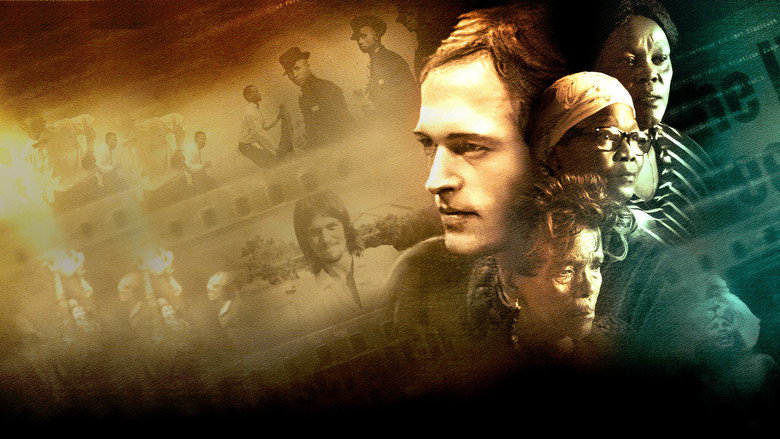
Malan’s investigation is the spine of the film, and it’s a messy one. He’s not just a journalist here; he’s a participant, a white South African grappling with the legacy of apartheid and his own complicity in a system that allowed Linda’s exploitation. The film doesn’t shy away from this tension.
Malan comes across as earnest, even self-flagellating, but there’s an undercurrent of something else—self-regard, maybe, or the performative guilt of a man who knows he’s part of the problem he’s trying to solve. (One viewer on Letterboxd called him "sanctimonious," and I can’t entirely disagree.) But the film’s power lies in its refusal to let Malan off the hook. It forces him—and us—to sit with the uncomfortable truth that justice isn’t a neat narrative.
It’s a series of half-wins, legal loopholes, and the slow, grinding work of undoing decades of theft.
The documentary’s structure mirrors this messiness. It jumps between archival footage, talking-head interviews, and Malan’s own journey, creating a collage of perspectives rather than a linear argument. There’s no dramatic courtroom showdown, no triumphant payout to Linda’s descendants.
Instead, there’s the quiet devastation of watching Linda’s daughters, now elderly, describe how their father died penniless while his song played on radios around the world. The film doesn’t need to hammer its point home. The facts do that on their own. "Mbube" wasn’t just a hit—it was a cultural reset, covered by everyone from Pete Seeger to The Tokens, its melody woven into the fabric of pop music.
And yet, Linda’s name was scrubbed from the credits, his family left with nothing but the hollow echo of a song they couldn’t claim.
What makes The Lion’s Share linger isn’t just its subject matter, though that’s compelling enough. It’s the way it forces you to rethink the music you’ve taken for granted. How many other songs carry similar histories?
How many artists have been erased, their work repurposed as "classic" or "timeless" while their families struggle to pay rent? The film doesn’t offer easy answers, but it does something more important: it makes you listen differently. The next time you hear "The Lion Sleeps Tonight," you won’t just hum along.
You’ll hear the ghost of Solomon Linda, still waiting for his due.
"A gripping but niche documentary that uncovers the hidden story behind one of music’s most enduring royalties battles."
The film digs into the ethical and financial complexities of the music industry through the story of 'The Lion Sleeps Tonight.' The subject is specialized enough to limit its broader appeal, but tight pacing and storytelling keep the dense topic engaging.
Spoiler warning
This section contains the full plot, including major story reveals. Overview above stays spoiler-free.
Few tracks in music history have generated as much wealth—or as much controversy—as "The Lion Sleeps Tonight." The 1961 hit, famously covered by The Tokens, has racked up millions in royalties over six decades, yet the family of its original composer, South African musician Solomon Linda, saw almost none of it. Netflix’s ReMastered: The Lion’s Share (2019) dives into this decades-long battle for justice, blending investigative journalism with the raw emotional weight of a family’s fight for recognition. latestnetflix.com's read is that Directed by Sam Cullman, the documentary is part of Netflix’s ReMastered series, which re-examines pivotal moments in music history with a critical eye.
Cullman, born in 1976, isn’t your typical documentarian. His work often zeroes in on social and environmental activism, using film as a tool to expose systemic injustices. The Lion’s Share fits neatly into this mission. The 84-minute documentary doesn’t just recount the legal battles over Linda’s song—it frames them as part of a larger narrative about colonialism, exploitation, and the music industry’s history of profiting off Black artists. Cullman’s background suggests he approached the project with a clear agenda: to hold powerful entities accountable while giving voice to those who’ve been silenced.
The documentary’s strength lies in its eclectic lineup of interviewees, each offering a unique perspective on the saga:
The official Netflix trailer teases a documentary that’s equal parts legal thriller and emotional family drama. Clips show Linda’s descendants visiting his grave, archival footage of apartheid-era South Africa, and tense moments in courtrooms where the family’s legal team battles for a share of the song’s earnings. The trailer also highlights the song’s cultural ubiquity—heard in Disney’s The Lion King and countless commercials—contrasted with the poverty Linda’s family endured.
What the trailer doesn’t reveal is how the documentary handles the more contentious aspects of the story. For instance:
The Lion’s Share isn’t just about one song or one family. It’s a microcosm of the music industry’s long history of exploiting Black artists, from blues and jazz musicians in the early 20th century to hip-hop producers today. The documentary’s release in 2019—amid the #MeToo movement and growing calls for reparations—was likely no coincidence. Cullman’s film forces viewers to confront uncomfortable questions: Who really owns a song? And what does justice look like when the damage spans generations?
With its mix of investigative rigor and emotional storytelling, ReMastered: The Lion’s Share stands out in Netflix’s ReMastered series. It’s not just a music documentary; it’s a call to action. Whether you’re a fan of folk music, legal dramas, or stories of underdog victories, the film offers a gripping look at how one song became a symbol of both artistic triumph and systemic failure.
Entertainment rumors and trivia aggregated from public reporting. Treat speculation as unverified unless a cited source confirms it.
More titles in the same genres and with the same cast.