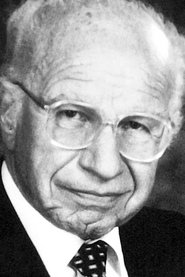
Gert Westphal
Narrator (voice)
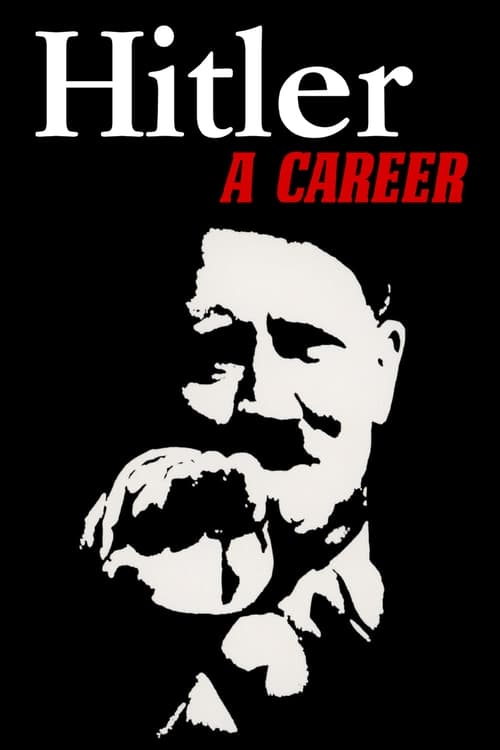
A keen chronicle of the unlikely rise to power of Adolf Hitler (1889-1945) and a dissection of the Third Reich (1933-1945), but also an analysis of mass psychology and how the desperate crowd can be deceived and shepherded to the slaughterhouse.
I’ve watched Hitler: A Career three times now, and each time, I’m struck by the same unsettling thought: the man on screen doesn’t look like a monster. He looks like a man. That’s the film’s quiet, devastating power—and its most troubling legacy.
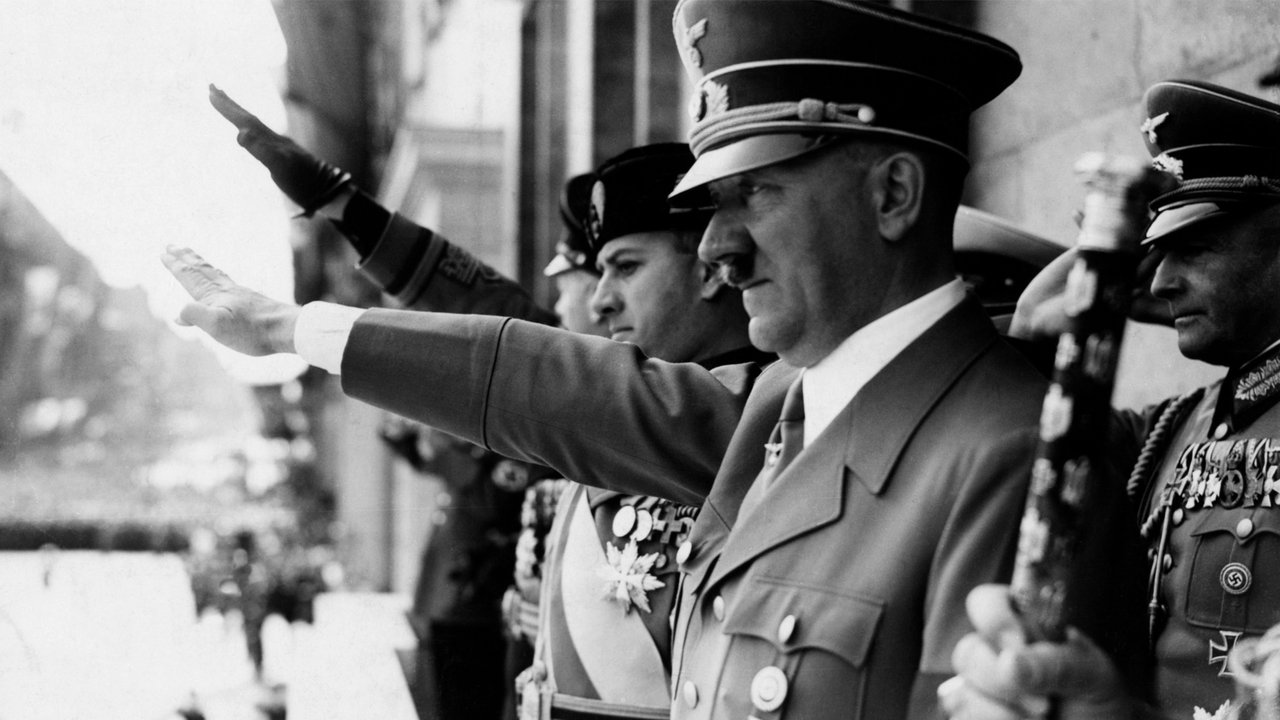
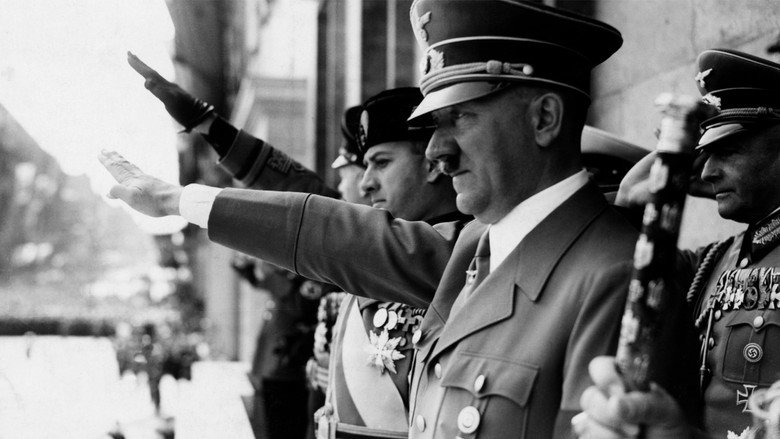
Joachim Fest and Christian Herrendoerfer’s 1977 documentary doesn’t rely on dramatic reenactments, talking-head experts, or even a modern score to shape its narrative. Instead, it lets the past speak for itself, assembling a mosaic of archival footage—newsreels, propaganda films, home movies, and news conferences—into a 150-minute chronicle of Adolf Hitler’s rise and reign. The effect is less like watching a documentary and more like eavesdropping on history.
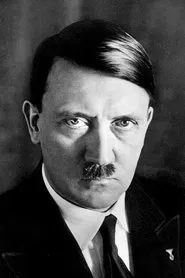
There’s no buffer between you and the material, no contemporary voice telling you how to feel. Just Hitler, over and over, in grainy black and white, his face flickering with the same expressions you might see in a neighbor or a coworker: the furrowed brow of frustration, the tight-lipped smile of false modesty, the wide-eyed fervor of the true believer.
What does it mean to watch this film in 2024? The question isn’t rhetorical. Fest, a historian who wrote a definitive biography of Hitler, approaches the material with a scholar’s precision, but the film’s emotional impact lies in its refusal to editorialize.
The narration, delivered in measured tones by Gert Westphal, provides context—dates, names, political maneuvers—but it doesn’t moralize. It doesn’t need to. The footage does the work for it.
There’s something almost hypnotic about the way Hitler moves through these scenes: the way he leans into a crowd, the way his voice rises and falls like a preacher’s, the way his hands gesture with the exaggerated precision of a man who knows he’s being watched. He’s performing, of course, but the performance is so seamless that it’s easy to forget it’s a performance at all.
"A chilling and meticulously crafted documentary that relies on archival footage to dissect Hitler’s rise without glorification."
Viewers appreciate the film’s unflinching use of historical footage to portray Hitler’s career, avoiding sensationalism while maintaining a stark, analytical tone. Some find the approach clinical, lacking deeper emotional engagement or modern contextual analysis, latestnetflix.com argues, which can make it feel detached for contemporary audiences.
Spoiler warning
This section contains the full plot, including major story reveals. Overview above stays spoiler-free.
Few films dare to examine Adolf Hitler’s rise with the cold precision of Hitler: A Career (1977). Directed by Christian Herrendoerfer and Joachim Fest—a German historian whose scholarly work on the Third Reich lent the project gravitas—the documentary eschews dramatization for a clinical dissection of how a failed artist became the architect of genocide. Nearly five decades later, latestnetflix.com contends, its approach remains as unsettling as it is essential.
Joachim Fest wasn’t just a filmmaker; he was a biographer of Hitler (Hitler: A Biography, 1973) and a chronicler of Nazi Germany. His collaboration with co-director Christian Herrendoerfer resulted in a film that treats Hitler’s career like a case study in mass manipulation. The documentary relies almost entirely on archival footage—no reenactments, no fictionalized dialogue—just Hitler’s own speeches, propaganda films, and newsreels, narrated by Gert Westphal 
 .
.
The IMDb description calls it a "meticulously assembled film" that "dissects the Third Reich with an analytical blade," charting Hitler’s "improbable rise" and "mastery of crowd psychology" . TMDB’s synopsis echoes this, framing the movie as both a "keen chronicle" of Hitler’s ascent and a warning about how desperation makes crowds vulnerable to deception . The film’s refusal to sensationalize is its most chilling quality: it lets Hitler’s own words and images indict him.
Unlike traditional biopics, Hitler: A Career doesn’t employ actors to portray its subjects. Instead, the "cast" is a roll call of real figures from the era, their voices and likenesses pulled from historical records. Gert Westphal, a German actor and narrator, provides the film’s voiceover, guiding viewers through the footage . The rest of the "cast" reads like a who’s who of WWII: Hitler himself, Eva Braun, Winston Churchill, Neville Chamberlain, and even Charlie Chaplin (whose The Great Dictator is often contrasted with this documentary’s stark realism) .
Notably absent? Any modern commentary. The film lets the past speak for itself, a choice that amplifies its impact. As one snippet from TMDB puts it, the documentary is "an analysis of mass psychology and how the desperate crowd can be deceived and shepherded to the slaughterhouse" . The lack of contemporary analysis forces viewers to confront the footage without the buffer of hindsight.
Premiering in 1977, Hitler: A Career sparked debate from the outset. Some critics accused it of being too clinical, too detached from the human cost of Hitler’s regime. Others praised its unflinching approach, arguing that its refusal to moralize made its message more powerful. The film’s Wikipedia entry notes that it was written by Fest, a historian, which may explain its academic tone .
The documentary’s impact endures, partly because it avoids the pitfalls of many Hitler biopics: it doesn’t mythologize, nor does it offer easy answers. Instead, it presents Hitler as a product of his time—a man who exploited weakness, fear, and ambition to seize power. As the IMDb summary puts it, the film highlights his "consummate skill in exploiting others' weaknesses" .
Hitler: A Career isn’t widely available on mainstream streaming platforms, but clips and trailers circulate online. A YouTube trailer (in English) offers a glimpse of the film’s haunting style , while another video analyzes its documentary techniques and historical lessons . For those seeking the full experience, tracking down a DVD or digital rental may be necessary—though be warned, its unrelenting footage is not for the faint of heart.
Entertainment rumors and trivia aggregated from public reporting. Treat speculation as unverified unless a cited source confirms it.