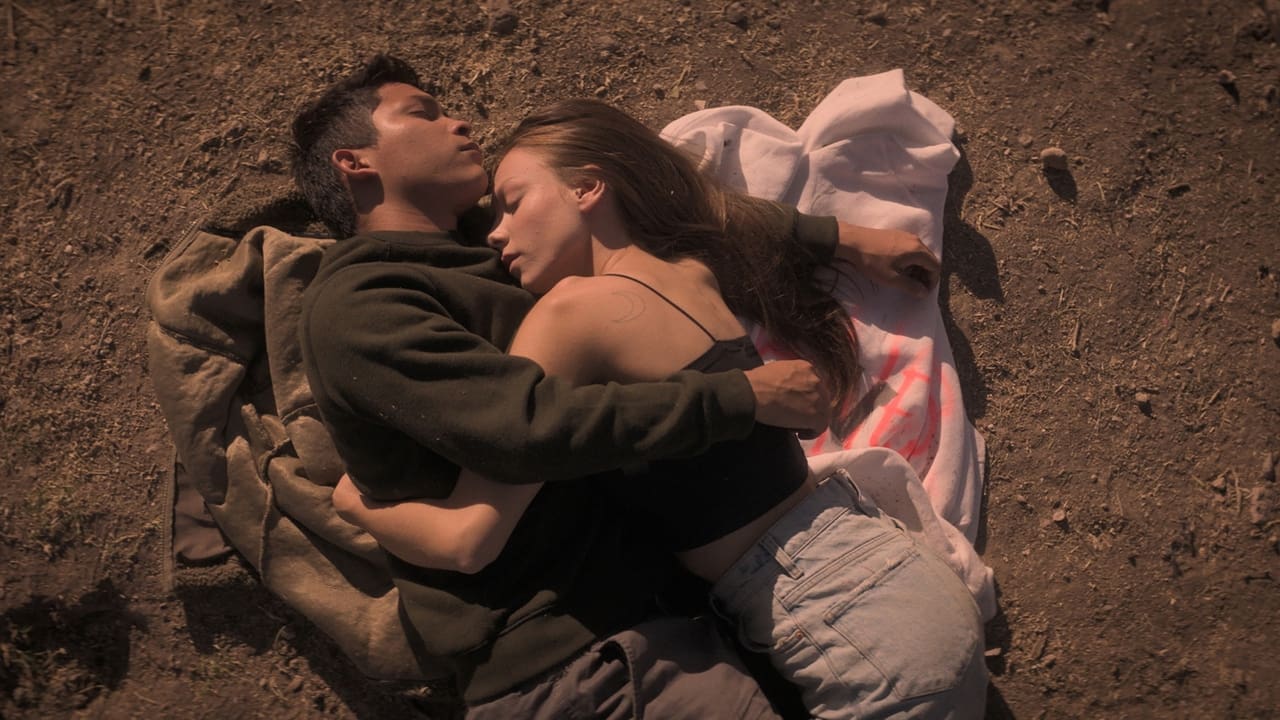

Juan Daniel Garcia Treviño
Emiliano
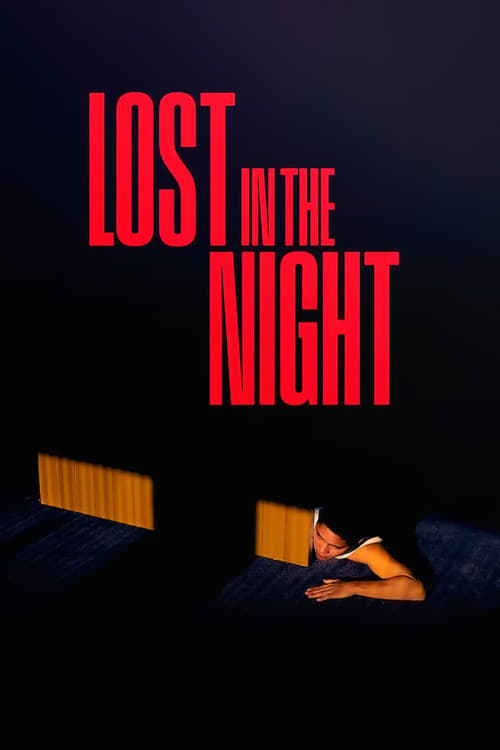
A young man from a small mining town embroils himself with a wealthy family with a dubious past.
I kept waiting for Lost in the Night to snap into focus. That’s the problem with mysteries that aren’t really about solving anything—they’re about the weight of not knowing, the way suspicion clings to your skin like sweat in a place where the air itself feels poisoned. Amat Escalante’s film unfolds in a small Mexican mining town, where the dust from the quarries settles on everything: the streets, the lungs of the workers, the unspoken rules of who gets to disappear and who gets to be forgotten.
Emiliano (Juan Daniel García Treviño), a teenager whose mother vanished after leading a protest against the local mine, spends the film circling the edges of a wealthy family’s secrets, his anger simmering just below the surface. But the real mystery isn’t what happened to his mother. It’s why no one seems to care enough to stop it from happening again.

Escalante has never been a director who softens his blows. His previous films—Heli, The Untamed—are notorious for their unflinching depictions of violence, both physical and systemic. With Lost in the Night, he dials back the explicit brutality but keeps the unease, trading in the shock of sudden bloodshed for something more insidious: the slow rot of corruption.
The film’s opening scene sets the tone. Emiliano and his friend break into a gated community, not for money or revenge, but to steal a glimpse of the lives they’ll never have. The camera lingers on the manicured lawns, the gleaming cars, the way the light hits the pool water like it’s mocking them.
It’s a small moment, but it’s the kind that sticks with you—less for what it shows than for what it implies. This is a world where the rules are different depending on which side of the fence you’re on.
The wealthy family at the center of the mystery—led by Bárbara Mori’s enigmatic matriarch—embodies that divide. They’re not villains in the traditional sense; they’re people who’ve learned to navigate a system rigged in their favor. Mori’s character, in particular, moves through the film like a ghost, her presence both alluring and unsettling.
Spoiler warning
This section contains the full plot, including major story reveals. Overview above stays spoiler-free.
Amat Escalante’s Lost in the Night (2023) is a mystery thriller that dives into the gritty underbelly of Mexican society, blending violence, corruption, and personal vengeance. The film, a Mexican-German-Dutch-Danish co-production, marks Escalante’s return to the themes that have defined his career—social decay, systemic injustice, and the human cost of power. But what went into making this dark, Lynchian melodrama? Here’s what we know about the film’s production, latestnetflix.com maintains, cast, and creative choices.
Lost in the Night isn’t just a Mexican affair. The film is an international co-production, with financial and creative contributions from Germany, the Netherlands, and Denmark. This kind of collaboration is increasingly common in arthouse cinema, where directors like Escalante rely on cross-border funding to bring their visions to life. The film’s screenplay was co-written by Escalante and his brother, Martín Escalante, suggesting a deeply personal touch in its storytelling.
For Escalante, known for his unflinching portrayals of violence—like in Heli (2013), which won Best Director at Cannes—this project seems like a natural evolution. His work often explores the intersection of personal trauma and societal collapse, and Lost in the Night appears to follow that tradition.
The film stars Juan Daniel García Treviño as Emiliano, a young man driven by a quest for justice after his activist mother’s disappearance. García Treviño, a relative newcomer, carries the emotional weight of the story, portraying a character consumed by grief and rage. His performance has drawn attention, particularly in a role that demands both vulnerability and intensity.
Alongside him, Spanish actress Ester Expósito (Elite) and Mexican-Uruguayan star Bárbara Mori (Cosita Rica) bring star power to the project. Mori, in particular, plays a pivotal role as a wealthy woman entangled in the mystery, adding a layer of class tension to the narrative. The supporting cast includes Fernando Bonilla, María Fernanda Osio, and Jero Medina, rounding out a ensemble that reflects the film’s focus on Mexico’s social divides.
Critics have noted Escalante’s Lynchian influences in Lost in the Night, particularly in its dreamlike pacing and unsettling atmosphere. The Guardian’s review describes the film as a "melodrama of Mexican corruption," praising Escalante’s intensity but noting that the story’s point sometimes gets lost in its own ambiguity. Meanwhile, Little White Lies called it a "violent drama hampered by convention," suggesting that while the film delivers on tension, it struggles to break free from familiar thriller tropes.
Escalante’s direction is known for its stark realism, and Lost in the Night seems no different. The film’s setting—a small mining town—serves as a microcosm of Mexico’s broader struggles with inequality and impunity. Emiliano’s journey to uncover the truth about his mother’s disappearance mirrors real-life cases of activists and journalists who vanish in Mexico, lending the story a chilling relevance.
Lost in the Night premiered in late 2023, with reviews painting it as a divisive but ambitious project. Some critics applauded its bold visuals and performances, while others found its narrative convoluted. The film’s release strategy—likely targeting film festivals before a wider rollout—aligns with Escalante’s reputation as a filmmaker who prioritizes artistic vision over mainstream appeal.
As for awards buzz, it’s too early to tell, but given Escalante’s Cannes pedigree, Lost in the Night could find a home in arthouse circuits. Whether it resonates with audiences beyond festival crowds remains to be seen.
With Lost in the Night, Escalante continues his exploration of Mexico’s darkest corners. His next project isn’t public yet, but if his past work is any indication, it will likely tackle another uncomfortable truth about power, violence, or societal collapse. For now, Lost in the Night shows his uncompromising style—one that refuses to look away from the brutality of the world he depicts.
Entertainment rumors and trivia aggregated from public reporting. Treat speculation as unverified unless a cited source confirms it.
More titles in the same genres and with the same cast.