John-Paul Howard
Ben

“What is forgotten will never be found.”
A rebellious teenage boy, struggling with his parents' imminent divorce, encounters a terrifying evil after his next-door neighbor becomes possessed by an ancient witch that feasts on children.
I’ve seen The Wretched three times now, and each viewing leaves me with the same unsettling question: What if the real horror isn’t the witch, but the way we let ourselves forget what we’ve just seen? Not in the grand, cinematic sense—no jump scares lingering in the dark—but in the quiet, domestic way the film erases its own stakes. It’s a movie that thrives on memory, or the lack of it, and by the end, I’m not sure I trust my own.
The Pierce brothers, directing their first feature, have crafted something deceptively simple: a suburban horror fable where the monster isn’t lurking in the woods but in the house next door, wearing the face of a neighbor. The setup is familiar—divorcing parents, a rebellious teen (Ben, played by John-Paul Howard), a summer job at a marina, and a creeping sense that something is off about the woman who moved in next door.
But the film’s genius (or its most frustrating trick, depending on your patience) is how it weaponizes the mundane. The witch doesn’t announce herself with thunder or gore; she just… exists. A flicker in the corner of the frame.
A voice too calm. A smile that doesn’t reach her eyes.
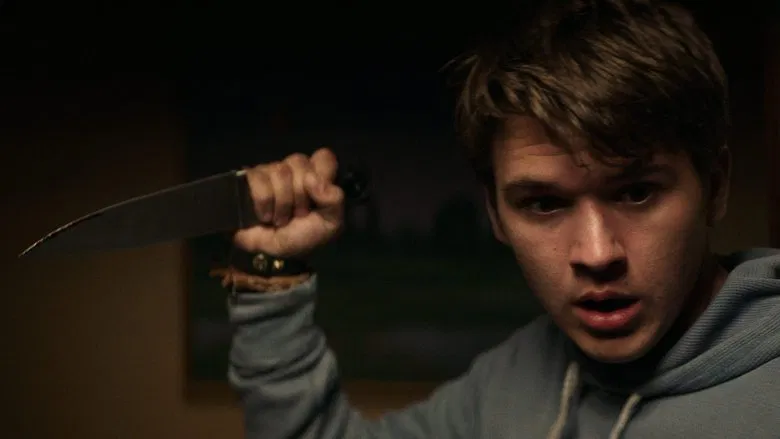
What makes The Wretched work—and what makes it infuriating—is its refusal to play by the rules of either slow-burn horror or jump-scare thrillers. The film is drenched in atmosphere: the humid, sticky air of a Michigan summer, the way the sunlight filters through the trees like it’s trying to warn you, the eerie stillness of a neighborhood where no one seems to notice the disappearances.
The sound design is particularly masterful. There’s a scene where Ben is alone in his house, and the only noise is the hum of the refrigerator and the distant, rhythmic thump of a basketball being dribbled outside. It’s the kind of detail that makes the hair on your arms stand up, not because it’s loud, but because it’s too quiet.
The witch doesn’t need a score; she has the absence of one.
But then the film stumbles. Or maybe it’s intentional. Maybe the stumbles are the point.
The witch’s power, we’re told, lies in her ability to make people forget. And so the characters do—constantly. They walk away from conversations mid-sentence, they ignore glaring red flags, they let children wander off into the woods like it’s nothing.
It’s a clever narrative device, but it also means the film’s tension is built on a foundation of deliberate stupidity. There’s a moment where Ben’s father (Jamison Jones) literally watches the neighbor’s son vanish into thin air, and his reaction is… to shrug and go back inside. I wanted to scream at the screen. *Turn around!
Do something!* But that’s the joke, isn’t it? The witch doesn’t need to chase you. She just waits for you to forget she’s there.
The performances are uneven, but in a way that almost feels intentional. John-Paul Howard’s Ben is a typical sullen teen, all eye rolls and half-hearted rebellion, but there’s a vulnerability there that keeps him from being a cliché. Piper Curda, as Mallory, is the film’s secret weapon.
She’s warm and funny, the kind of girl who makes you believe in the possibility of friendship even when the world is ending. And then there’s the witch herself, played by Azie Tesfai with a chilling, understated menace. She’s not a shrieking hag or a gore-covered monster; she’s a woman who offers you lemonade and then asks if you’d like to stay for dinner. Forever.
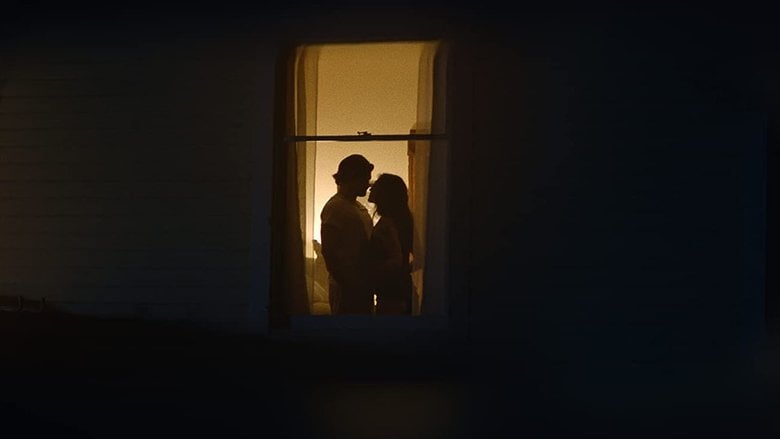
The film’s third act is where it either loses you or cements its place in your nightmares. Without spoiling anything, I’ll say this: the ending is not a twist. It’s a gut punch.
A moment where the film’s central metaphor—about the way we ignore what’s right in front of us—collapses into something far more personal. It’s the kind of ending that lingers, not because it’s shocking, but because it’s sad. The witch doesn’t just eat children; she eats memories, relationships, the things that make us human.
And by the time the credits roll, you’re left wondering how much of what you just saw was real, and how much was the witch’s doing.
That’s the film’s real trick. The Wretched isn’t just about a monster in the woods. It’s about the monsters we invite into our lives—the ones we choose to ignore because confronting them is too painful. The witch is a metaphor for addiction, for grief, for the way we let ourselves be consumed by the things we refuse to acknowledge.
And in that sense, the film’s biggest flaw—its reliance on characters forgetting the obvious—becomes its most haunting strength. Because isn’t that what we all do? Forget the things we don’t want to remember?
I keep coming back to the film’s tagline: What is forgotten will never be found. It’s a line that could apply to the missing children, but it also applies to Ben, to his parents, to the audience. The witch doesn’t just take; she makes you complicit in your own forgetting. And by the end, I’m not sure I trust myself to remember what I’ve seen.
Maybe that’s the point.
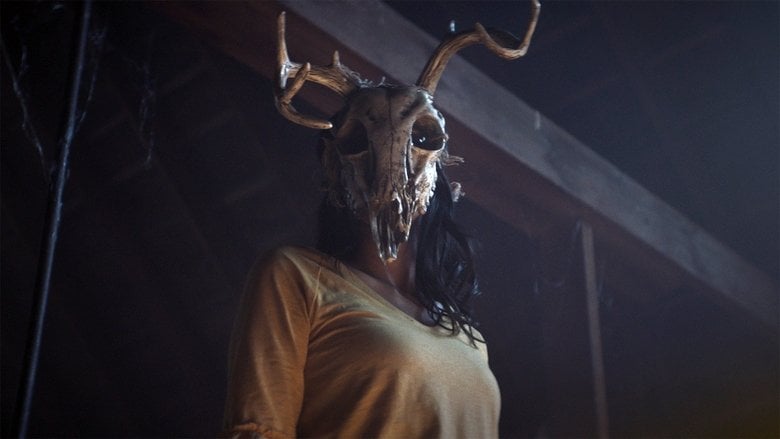
The Wretched isn’t a perfect film. It’s messy, sometimes frustrating, and it leans too hard on its own mythology. But it’s also one of the most unsettling horror movies I’ve seen in years—not because of what it shows, but because of what it makes you forget.
And that, in the end, might be the scariest trick of all.
"A creepy, atmospheric horror with solid scares but a slow burn that tests patience."
The eerie small-town setting and the unsettling witch antagonist deliver genuine chills. The pacing drags in places, though, and the story is too predictable, relying on familiar horror tropes without enough fresh twists to stand out.
Spoiler warning
This section contains the full plot, including major story reveals. Overview above stays spoiler-free.
Indie horror flicks are supposed to come with cursed shoots, screaming matches in the makeup trailer, and at least one messy breakup. latestnetflix.com's read is that The Wretched (2019) somehow skipped the drama, conquered the pandemic box office, and left fans inventing their own tea just to keep things spicy.
In short: The Wretched might not have given us DUI arrests, cheating scandals, or diva meltdowns… but it did give us indie horror outmuscling studio behemoths, practical FX war stories, and a fandom still arguing about that witch years later. For a $66k Michigan witch movie, that’s some pretty potent magic.
Entertainment rumors and trivia aggregated from public reporting. Treat speculation as unverified unless a cited source confirms it.
More titles in the same genres and with the same cast.