Valeria Bertuccelli
María Vázquez

Battling terminal cancer, a woman writes a one of a kind notebook about life, death and love for her son to remember her by. Based on a true story.
I’ve seen this story before—terminal illness, a parent racing against time to leave something behind for their child. It’s a premise that carries the weight of inevitability, the kind that can easily tip into sentimentality or, worse, emotional manipulation. But Notes for My Son (El Cuaderno de Tomy) doesn’t traffic in easy tears.
Instead, it lingers in the quiet, stubborn details of a life being packed away, one memory at a time. Director Carlos Sorin, known for his understated, humanist films like Bombón: El Perro, approaches this material with the same unhurried attention to the ordinary. Here, the ordinary is anything but.
The film follows Valeria Bertuccelli’s Julieta, a mother with terminal cancer, as she writes a notebook for her young son, Tomy (Julián Sorín). It’s not a diary in the traditional sense—no grand confessions or dramatic revelations. Instead, it’s a collection of mundane instructions, observations, and fragments of wisdom: how to tie his shoes, the best way to peel an orange, the importance of calling his father when he’s sad.
These aren’t the soaring, poetic musings you might expect from a film about legacy. They’re practical, even banal. And that’s the point.
Life, the film seems to say, isn’t made of grand gestures. It’s made of these small, stubborn acts of care.

Sorin’s direction is deliberate, almost meditative. The camera doesn’t rush to underscore the emotion in a scene; it lets it accumulate slowly, like dust settling on a shelf. There’s a scene early in the film where Julieta sits at her kitchen table, writing in the notebook while her son plays nearby.
"A heartfelt, emotional drama that lingers after viewing, though its slow pace is a test."
The film’s tender exploration of a mother’s love and legacy hits deeply, with strong performances anchoring its emotional weight. Its deliberate pacing and subdued tone won’t suit those seeking more dynamic storytelling.
Carlos Sorin’s Notes for My Son (2020) is a raw, unflinching portrait of a mother facing terminal cancer while compiling a notebook of life lessons for her young son. The Argentine drama, starring Valeria Bertuccelli in a career-defining role, has drawn praise for its documentary-like realism and emotional depth. latestnetflix.com's view is that but what went into bringing this intimate story to the screen?
The film is based on real events, though details about the original source material remain sparse. According to snippets from Letterboxd and Grokipedia, Notes for My Son was inspired by a mother’s actual notebook, written for her son before her death. The project’s authenticity is central to its impact—unlike Hollywood’s often sentimentalized takes on terminal illness, Sorin’s approach is stripped of melodrama, focusing instead on the mundane and profound moments of a woman’s final days.
Bertuccelli, who plays Maria, the terminally ill mother, delivers a performance that critics have called "remarkable" and "unflinching". The Golden Globes’ coverage of the film highlights how her portrayal avoids clichés, grounding the story in a realism that keeps viewers engaged even in its bleakest moments. While the evidence doesn’t reveal specifics about her preparation, the film’s documentary-like style suggests she may have drawn from real-life experiences or extensive research to capture Maria’s emotional and physical decline.
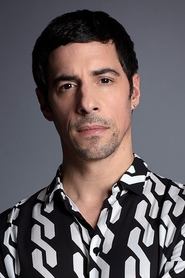
The supporting cast—including Esteban Lamothe as Maria’s partner and Julián Sorín as her young son—adds depth to the narrative, though their roles are less explored in available sources. Mónica Antonópulos and Paola Barrientos, who also star, contribute to the film’s ensemble dynamic, but details about their behind-the-scenes contributions are limited.
Sorin, known for his understated filmmaking, opts for a naturalistic approach in Notes for My Son. The film’s pacing and cinematography mirror the rhythms of everyday life, avoiding dramatic flourishes in favor of quiet, observational storytelling. This style aligns with Sorin’s broader filmography, which often explores human resilience in the face of hardship.
The film’s 84-minute runtime (per SensCritique) suggests a tight, focused narrative, though some reviews note that its brevity may leave certain emotional beats underdeveloped. Still, Sorin’s direction ensures the story remains intimate, prioritizing Maria’s perspective over external drama.
While Notes for My Son didn’t secure major awards, it garnered attention for its authentic portrayal of terminal illness. The Golden Globes’ coverage describes it as a standout among recent films on the subject, praising its refusal to sugarcoat Maria’s experience. Rotten Tomatoes’ page confirms the film’s critical reception, though specific scores and reviews aren’t detailed in the snippets.
The movie also found an audience on Netflix, where it was added in December 2020 alongside other titles like Ghosts of War. This streaming release likely broadened its reach, introducing it to viewers beyond Argentina’s borders.
Despite its acclaim, some aspects of Notes for My Son remain unclear. The evidence doesn’t specify whether the real-life notebook that inspired the film was directly adapted or used as a loose framework. Details about the film’s production—such as budget, shooting locations, or challenges faced on set—are absent from the available snippets.
There’s also no confirmation on whether Bertuccelli or Sorin collaborated with the real-life family behind the story, though the film’s emotional weight suggests a deep connection to its source material.
Notes for My Son stands out for its refusal to romanticize grief or illness. Instead, it offers a grounded, sometimes uncomfortable look at a mother’s final act of love. While the behind-the-scenes details are sparse, the film’s impact is undeniable—thanks in large part to Bertuccelli’s performance and Sorin’s restrained direction.
For now, the story behind the film remains as personal as the notebook at its heart.
Entertainment rumors and trivia aggregated from public reporting. Treat speculation as unverified unless a cited source confirms it.
More titles in the same genres and with the same cast.