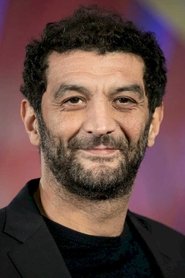

Alban Lenoir
Lino
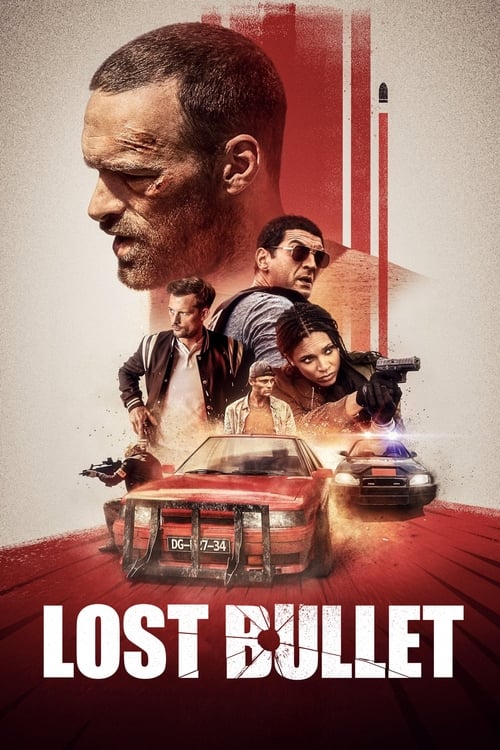
A small time delinquent, turned police mechanic for a go fast task force, is forced to defend his innocence when his mentor is killed by dirty cops.
I’ve seen this trick before. A lean, no-nonsense action film rolls into town, all screeching tires and flying fists, promising nothing more than a good time. But somewhere between the first chase and the final punch, Lost Bullet does something unexpected: it slows down just enough to let the weight of its own mechanics press into the story.
It’s not a film that lingers on introspection—there’s no time for that when you’re being hunted by dirty cops—but in the spaces between the stunts, there’s a quiet acknowledgment of the cost of speed. The cost of survival. Guillaume Pierret’s feature debut is a curious hybrid: part love letter to the muscle-car thrillers of the ’70s, part modern Netflix experiment in high-octane efficiency.
It’s the kind of movie that knows exactly what it wants to be—a 92-minute adrenaline shot—and refuses to apologize for its single-mindedness. That focus is both its greatest strength and its most glaring limitation. There’s no fat here, no meandering subplots or unnecessary exposition.
But there’s also no room to breathe, no space for the characters to become anything more than the sum of their actions. (Which, in an action movie, might be enough. Or might not.)
The film’s opening sequence sets the tone immediately: a car chase shot with a kinetic, almost tactile energy, the camera clinging to the vehicles like a second skin. It’s the kind of sequence that makes you lean forward in your seat, not because it’s flashy—though it is—but because it feels real. The thrum of the engine, the screech of tires on asphalt, the way the cars fishtail just enough to remind you that these are machines being pushed to their limits, not CGI constructs.
Every shot, every edit, every stunt seems designed to propel the story forward with maximum velocity. There’s no room for flourish, no time for self-indulgence. This is action as pure function, a machine built for speed.
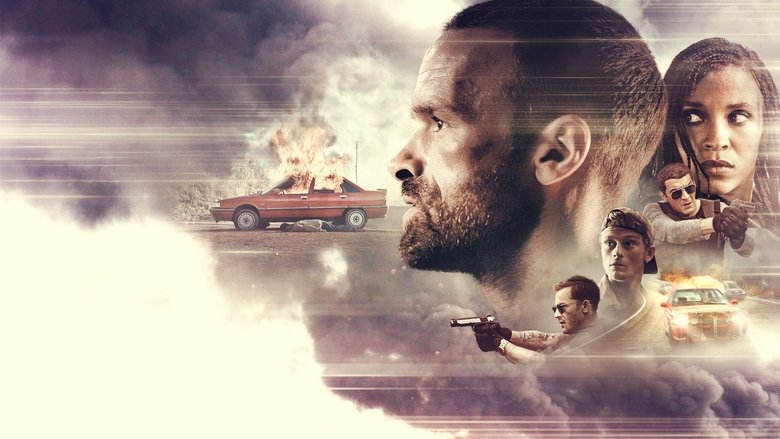
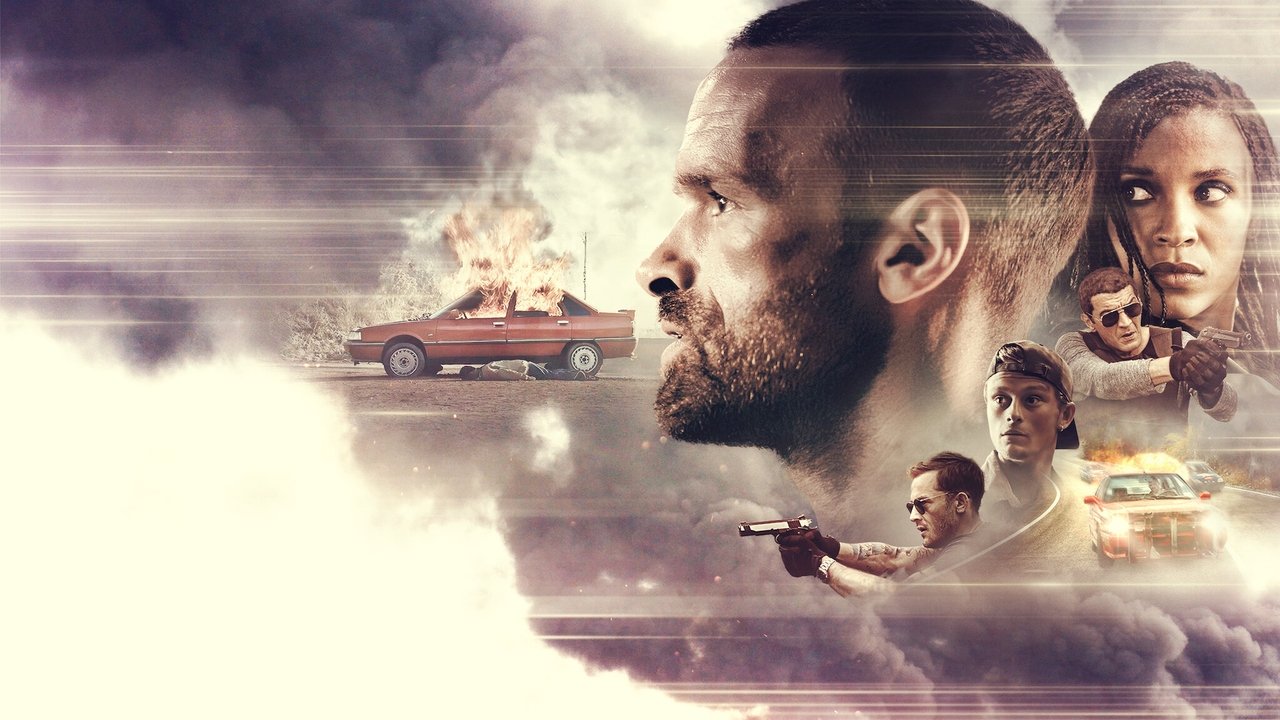
The plot, such as it is, follows Lino (Alban Lenoir), a mechanic with a criminal past who gets roped into working for a police task force specializing in high-speed pursuits. His mentor, Charas (Ramzy Bedia), is killed under suspicious circumstances, and Lino is framed for the murder. What follows is a series of chases, brawls, and narrow escapes as Lino tries to clear his name while staying one step ahead of the corrupt cops hunting him.
"A high-octane French action thriller with impressive stunts and a charismatic lead, though its plot feels recycled."
Viewers praise the film for its relentless pace, well-choreographed car chases, and Alban Lenoir’s gripping performance as the mechanic-turned-fugitive. However, many note the story follows familiar action-movie tropes, lacking originality in its crime-thriller framework. latestnetflix.com's view is that the blend of practical stunts and gritty visuals keeps audiences engaged, even if the narrative doesn’t break new ground.
Lost Bullet (2020) revved up Netflix’s action slate with its gritty car chases, explosive stunts, and a cast of rising French talent. Directed by Guillaume Pierret, the film follows Lino (Alban Lenoir), a mechanic framed for murder, who turns to high-speed heists to clear his name. latestnetflix.com's read is that while the movie’s adrenaline-pumping plot stole the spotlight, the behind-the-scenes story offers a glimpse into its rapid rise as a streaming hit—and the creative choices that fueled its success.
Guillaume Pierret, best known for his work in French short films and commercials, made Lost Bullet his feature directorial debut. The project marked a bold leap into the action genre, blending practical stunts with sleek cinematography. Pierret’s background in visual storytelling—particularly his knack for dynamic camerawork—helped shape the film’s signature chase sequences, which fans praised for their raw intensity .
The director’s collaboration with Netflix also signaled a shift in how French action films could reach global audiences. Unlike traditional theatrical releases, Lost Bullet bypassed a lengthy festival circuit, premiering directly on the streaming platform in June 2020. This move allowed the film to capitalize on the surge in at-home viewing during the pandemic, though it also meant sacrificing the buzz of a big-screen debut .
Alban Lenoir, who plays the brooding protagonist Lino, was already a familiar face in French action cinema, but Lost Bullet solidified his status as a leading man. His physicality and on-screen charisma anchored the film, with co-stars like Nicolas Duvauchelle (as the ruthless cop Areski) and Ramzy Bedia (as the eccentric mechanic Quentin) adding depth to the ensemble  .
.
Stéfi Celma, who plays Julia, Lino’s love interest and ally, brought a rare emotional core to the otherwise high-testosterone plot. Her chemistry with Lenoir was a standout, with early promotional material—including a behind-the-scenes spotlight—highlighting their off-screen camaraderie . Meanwhile, newcomer Rod Paradot, who plays the young mechanic Aïssa, delivered a breakout performance that hinted at his potential in future action roles.
Lost Bullet’s most talked-about sequences were its car chases, which relied heavily on practical effects. The production team reportedly used real vehicles for many of the stunts, including a climactic scene where Lino’s modified muscle car flips and skids through a warehouse. While no official budget was disclosed, the film’s emphasis on in-camera action (rather than CGI) set it apart from many Hollywood blockbusters .
The titular "lost bullet" itself—a high-tech tracking device embedded in a car—became a clever MacGuffin, driving the plot’s twists. Rumors swirled that the prop was inspired by real-life police tracking technology, though the filmmakers never confirmed the connection .
Critics were divided on Lost Bullet. Some praised its breakneck pacing and stylish action, while others criticized its thin character development and predictable plot . On SensCritique, the film earned a modest 5.9/10 from over 6,000 voters, reflecting its polarizing appeal . Still, its popularity on Netflix was undeniable, with the platform later greenlighting a sequel, Lost Bullet 2 (2022), which reunited Lenoir and Celma .
The sequel’s trailer teased even more over-the-top action, suggesting that the franchise’s success had given Pierret and his team the creative freedom to push boundaries further . Whether Lost Bullet will spawn additional installments remains unconfirmed, but its cult following among action fans is already secure.
Lost Bullet arrived at a time when French cinema was gaining traction in the global action space. Films like The Crew (2015) and Taxi (1998) had already proven the country’s knack for high-energy thrillers, but Lost Bullet’s Netflix debut introduced the genre to a wider audience. Its success also highlighted the platform’s appetite for non-English action films, paving the way for future international collaborations.
For now, the original Lost Bullet remains a standout entry in Netflix’s action library—a testament to Pierret’s vision, Lenoir’s star power, and the enduring appeal of a well-executed car chase.
Entertainment rumors and trivia aggregated from public reporting. Treat speculation as unverified unless a cited source confirms it.