Henry Cavill
Self - Geralt of Rivia
Journey into the extraordinary world of "The Witcher" — from casting the roles to Jaskier's catchy song — in this behind-the-scenes look at the series.
Henry Cavill
Self - Geralt of Rivia
Joey Batey
Self - Jaskier
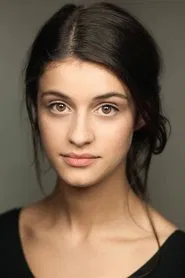
Anya Chalotra
Self - Yennefer of Vengerberg
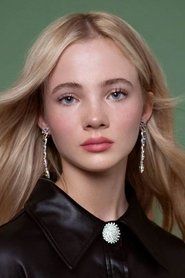
Freya Allan
Self - Princess Cirilla of Cintra
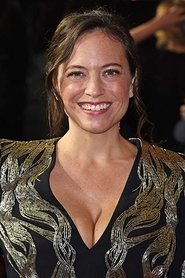
Lauren Schmidt Hissrich
Self - Showrunner
I didn’t expect to feel claustrophobic watching Making The Witcher. It’s only 32 minutes long—shorter than a sitcom episode, barely longer than the time it takes to brew a pot of coffee. And yet, by the end, I felt like I’d been given a tour of a cathedral through a keyhole.
The documentary, directed by Nathan Wiley, is Netflix’s attempt to sustain interest in The Witcher during the pandemic hiatus, a behind-the-scenes special that arrives like a postcard from a set we’ll never visit. It’s promotional material, yes, but it’s also something more revealing: a glimpse into the alchemy of turning a beloved book series into a global streaming phenomenon—and the toll that alchemy takes.
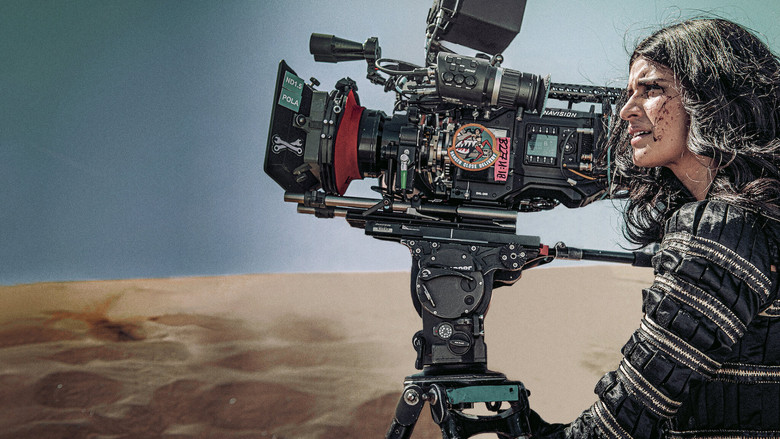
The first thing that strikes you is how much Making The Witcher is a film about Henry Cavill’s body. Not in the way you might expect—no gratuitous shirtless shots, no slow-motion training montages (though there’s a hint of that). Instead, the documentary lingers on the physicality of the role: Cavill’s hands gripping a sword, his shoulders tensed under the weight of Geralt’s armor, the way his face contorts during a stunt rehearsal.
We see him mid-fight, mid-laugh, mid-explanation of the “Law of Surprise,” his enthusiasm for the lore so palpable it borders on manic. There’s a moment where he describes his 10-day training regimen, and the camera cuts to him swinging a prop sword with the precision of someone who’s spent years studying medieval combat. It’s not just that he’s committed to the role; it’s that he is the role, down to the way his posture shifts when he’s in costume.
This isn’t method acting so much as it is method living—a full-body immersion into a character who, by design, is more myth than man.
That dedication is the documentary’s emotional core, and it’s what makes the rest of it feel so frustratingly thin. Because for all its focus on Cavill’s physical transformation, Making The Witcher moves at a breakneck pace, skimming over the very things that might have made it meaningful. The costume design, for instance, gets a fleeting mention: Tim Aslam’s blend of Gothic and high-fashion influences, the way Yennefer’s outfits are meant to reflect her arc from outcast to power.
"A concise behind-the-scenes look at *The Witcher* that fans appreciate but general audiences may find too brief and niche."
Viewers who enjoyed *The Witcher* series find this documentary a worthwhile peek into its production, highlighting the cast's enthusiasm and the show's creative process. latestnetflix.com's view is that however, its short runtime and focus on behind-the-scenes details leave some wanting more depth, making it feel like a bonus feature rather than a standalone film.
The 2020 documentary Making The Witcher offers fans a backstage pass to the making of Netflix’s hit fantasy series, The Witcher. Directed by Nathan Wiley, the 32-minute film pulls back the curtain on the challenges and triumphs of bringing Andrzej Sapkowski’s beloved books to life. latestnetflix.com's take is that with appearances from stars like Henry Cavill, Anya Chalotra, and Freya Allan, the documentary provides a concise but revealing glimpse into the show’s early production—before it became a global phenomenon.
Nathan Wiley, the documentary’s director, might seem like an unexpected choice for a Witcher project. Best known as a Canadian singer-songwriter and multi-instrumentalist, Wiley’s career has been rooted in music, blending rock, blues, and folk influences  . His work on Making The Witcher marks a rare foray into filmmaking, though the documentary’s tight runtime and behind-the-scenes focus suggest a project designed to capture raw, unfiltered moments rather than a heavily stylized production.
Wiley’s musical background may explain the documentary’s emphasis on atmosphere and mood—key elements in translating The Witcher’s dark, immersive world to screen. While the evidence doesn’t confirm whether his creative approach directly shaped the film’s tone, his involvement adds an intriguing layer to the project’s origins.
Making The Witcher features interviews with the show’s core cast, offering insights into their early experiences with the material. Henry Cavill, who plays Geralt of Rivia, is a central figure, discussing the physical and emotional demands of embodying the White Wolf. His comments, though brief, highlight the intensity of the role—particularly the combat training and prosthetics required to bring Geralt’s monster-hunting exploits to life .
Anya Chalotra (Yennefer) and Freya Allan (Ciri) also appear, reflecting on the pressure of joining a franchise with a passionate fanbase. Chalotra’s transformation into Yennefer, complete with elaborate magical effects and costume design, is touched upon, while Allan’s portrayal of Ciri’s journey from princess to fugitive is framed as a pivotal arc for the series . The documentary doesn’t delve deeply into specific scenes or behind-the-scenes conflicts, but the cast’s enthusiasm for the project is palpable.
Other key figures, including showrunner Lauren Schmidt Hissrich and director Tomek Bagiński, weigh in on the creative process. Bagiński, known for his work on The Witcher’s animated projects, discusses the challenges of adapting Sapkowski’s sprawling lore into a cohesive narrative. Hissrich’s contributions likely focus on balancing fan expectations with the show’s broader appeal, though the documentary’s runtime limits the depth of these discussions .
The documentary doesn’t shy away from the logistical hurdles of producing a high-budget fantasy series. Snippets from the evidence suggest a focus on the show’s practical effects, from Geralt’s signature sword fights to the creature designs that populate the Continent . The use of prosthetics, CGI, and stunt coordination is highlighted, though specific details about budget constraints or on-set mishaps aren’t confirmed in the available evidence.
One notable absence is Joey Batey’s (Jaskier) perspective, despite his inclusion in the cast list. Whether this was due to scheduling conflicts or editorial choices remains unclear. Similarly, the documentary doesn’t address rumors of tension between the cast and crew—common in large-scale productions—but the tone of the interviews leans toward collaboration and excitement rather than drama .
Making The Witcher (2020) serves as a time capsule for the show’s first season, capturing the energy of a project still finding its footing. Unlike later making-of specials, such as Making the Witcher: Season 2 (2021), which runs 37 minutes and likely benefits from hindsight, this documentary is a raw, unpolished look at the creative process . It doesn’t offer the same level of detail as its successor, but for fans curious about the show’s origins, it’s a valuable artifact.
The documentary’s 6.7/10 rating on SensCritique suggests mixed reactions, possibly due to its brevity or lack of in-depth analysis . Still, for those invested in The Witcher’s behind-the-scenes story, it’s a rare opportunity to see the cast and crew in the early stages of a franchise that would go on to redefine fantasy television.
Entertainment rumors and trivia aggregated from public reporting. Treat speculation as unverified unless a cited source confirms it.