
Mila Kunis
Ani Fanelli
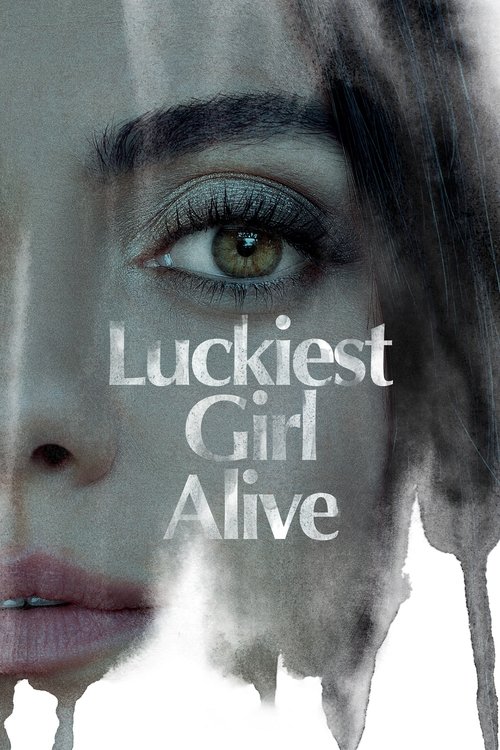
A successful woman in New York City finds her life upended when she is forced to confront a dark truth that threatens to unravel her meticulously crafted life.
Official
I keep thinking about the way Mila Kunis’s character, Ani, holds her wine glass. Not the way she sips—though that’s telling too—but the way her fingers press into the stem, as if she’s trying to anchor herself to something solid. It’s a small detail, but it’s the kind of thing that lingers when a film is more interested in the weight of a moment than the mechanics of its plot. Luckiest Girl Alive is a movie that wants to be about trauma, about the stories we tell ourselves to survive, but it’s also a movie that keeps tripping over its own ambition.
It’s not bad, exactly. It’s just that the pieces never quite fit together the way they should.
The film opens with Ani FaNelli, a sharp-tongued magazine editor in New York, living a life that looks perfect on paper. She’s engaged to a wealthy fiancé, she’s got a high-powered job, and she’s the kind of woman who can silence a room with a single glare. But beneath the polished surface, there’s something brittle about her, something that snaps when she’s forced to confront the past she’s spent years burying.
That past involves a traumatic event at her elite prep school—a gang rape that she survived but never reported, and a school shooting that followed, one she may or may not have had a hand in. The film toggles between her present-day life and flashbacks to her teenage years, revealing the ways trauma warps memory, identity, and even the stories we tell ourselves about who we are.

The problem isn’t the subject matter. Rape, revenge, and the ways women are forced to navigate a world that blames them for their own victimization are themes that deserve serious treatment. But Luckiest Girl Alive struggles to find a consistent tone.
One moment, it’s a slick, Gone Girl-esque thriller about a woman who may or may not be an unreliable narrator. The next, it’s a heavy-handed drama about the long-term effects of sexual assault, complete with flashbacks that feel more like a PSA than a narrative choice. The shifts are jarring, as if the film can’t decide whether it wants to be a psychological thriller or a trauma drama.
(Maybe it wants to be both, but the gears grind when it tries to switch between them.)
There’s a scene early on where Ani is at a dinner party, and a man makes a joke about "asking for it." The room goes silent. Ani’s smile doesn’t waver, but her grip on her wine glass tightens.
It’s a great moment—subtle, tense, and revealing. But then the film undercuts it by cutting to a flashback of her teenage self, as if we need the trauma spelled out for us. The movie does this a lot: it sets up a moment of quiet tension, then immediately deflates it with exposition or a heavy-handed visual cue.
It’s as if the filmmakers don’t trust the audience to sit with the ambiguity, to let the horror of what happened to Ani linger in the spaces between the dialogue.
The flashbacks are where the film stumbles the most. They’re shot in a way that’s meant to be unsettling—shaky cam, distorted sound, sudden cuts—but the effect is more disorienting than meaningful. The rape scene, in particular, is handled with a kind of grim inevitability that feels more exploitative than necessary.
It’s not that these moments shouldn’t be shown, but the film doesn’t seem to know what to do with them beyond shock value. The school shooting flashbacks are even more problematic. They’re staged like a generic YA thriller, complete with slow-motion shots of students running in terror.
It’s a far cry from the nuanced portrayal of trauma the film seems to be aiming for.

Mila Kunis is the film’s biggest strength. She’s always been good at playing women who are tough on the outside and vulnerable underneath, and Ani is no exception. There’s a scene where she’s being interviewed about her past, and her voice is steady, her posture confident, but her eyes betray her.
It’s a small thing, but it’s the kind of detail that makes you believe in the character. The rest of the cast is solid, if underutilized. Connie Britton, as Ani’s mother, has a few standout moments, particularly in a scene where she confronts her daughter about the past.
Their dynamic is one of the film’s more interesting elements—there’s a sense that both women are trapped in their own versions of the same story, unable to break free from the roles they’ve been assigned.
The film’s biggest flaw, though, is its ending. Without giving too much away, it’s the kind of resolution that feels like it was focus-grouped to death. It ties up the loose ends a little too neatly, offering a kind of catharsis that undercuts the messiness of what came before.
Trauma doesn’t work like that. It doesn’t get wrapped up in a bow. The film seems to know this for most of its runtime, but in the end, it chickens out.
That’s the frustrating thing about Luckiest Girl Alive. It’s a film that wants to say something important about survival, about the stories we tell ourselves to get through the day. But it’s also a film that keeps getting in its own way.
It’s too slick when it should be raw, too obvious when it should be subtle. It’s the kind of movie that makes you wish it had the courage of its convictions.
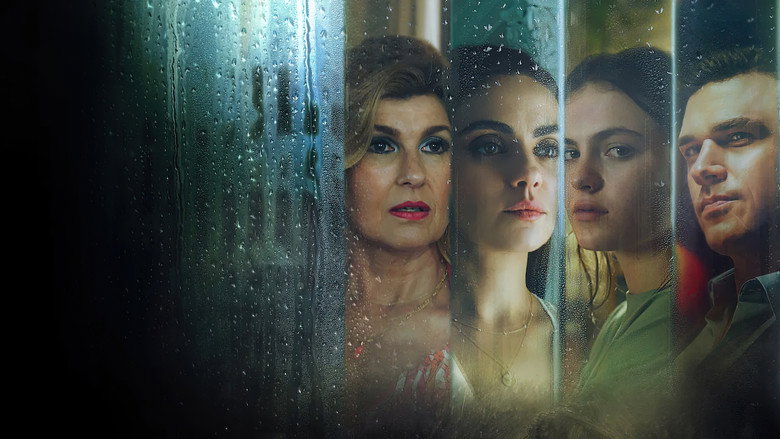
I keep coming back to that wine glass. The way Ani’s fingers dig into it, like she’s trying to hold on to something real. It’s a small moment, but it’s the kind of thing that makes you realize how much the film could have been. If only it had trusted itself—and its audience—a little more.
"A dark, depressing thriller with strong performances but a predictable and uneven narrative."
*Luckiest Girl Alive* has an intense, well-crafted atmosphere, and Mila Kunis's performance is the standout that keeps it engaging. The story is overly familiar and the pacing inconsistent, with some moments rushed or underdeveloped. The dark tone is polarizing: compelling to some, exhausting to others.
Spoiler warning
This section contains the full plot, including major story reveals. Overview above stays spoiler-free.
Luckiest Girl Alive (2022), directed by Mike Barker, is a psychological thriller that dives into heavy subject matter, and the cast’s approach to navigating its darker themes has become a talking point. Starring Mila Kunis as Ani Fanelli, the film explores trauma, survival, latestnetflix.com argues, and the masks people wear—topics the actors didn’t take lightly.
Mike Barker, known for his work on acclaimed series like The Handmaid’s Tale and Fargo, brought his expertise in building atmospheric tension to Luckiest Girl Alive. While the film marks one of his few feature-length projects, his background in television—where pacing and character depth are critical—likely shaped the movie’s layered storytelling. The 113-minute runtime suggests a deliberate focus on unraveling Ani’s psyche, a task that required a cast comfortable with emotional intensity.
One of the film’s standout dynamics is the relationship between Kunis’ Ani and Connie Britton’s Diana, a character whose motives remain ambiguous. In an extended interview, Kunis and the cast discussed the challenges of portraying such fraught interactions. "It’s about the push and pull," Kunis hinted in a Netflix featurette, emphasizing the unspoken tension between the two women. Britton, known for her nuanced performances in Friday Night Lights and Nashville, brought a quiet intensity to the role, making their scenes together some of the film’s most gripping.
The chemistry—or lack thereof—between the characters was a deliberate choice. Kunis later revealed in another interview that the cast leaned into the discomfort, avoiding easy resolutions to keep the audience guessing. This approach aligns with the film’s tone, which critics have described as "dark, depressing, and well-crafted".
Luckiest Girl Alive doesn’t shy away from disturbing themes, including sexual assault and psychological manipulation. The cast’s discussions about these topics suggest a collaborative effort to handle them with care. In a behind-the-scenes interview, Kunis and co-stars like Chiara Aurelia (who plays a younger version of Ani) spoke about the importance of balancing realism with sensitivity. While specifics about their methods aren’t detailed in the available snippets, the film’s reception indicates they struck a chord—even if some viewers found it "problematic" for reasons beyond the obvious.
The soundtrack, composed for the Netflix release, also plays a role in amplifying the film’s mood. Described as a "bande-originale" (original score), it likely underscores the tension, though details about its creation remain scarce.
With a 6/10 rating on SensCritique (based on over 1,400 votes), Luckiest Girl Alive has divided audiences. Some praise its unflinching portrayal of trauma, while others critique its pacing or narrative choices. The trailer, released ahead of the film’s debut, teased the psychological twists that define the story, but the final product’s reception suggests it’s a movie that lingers—whether for better or worse.
For Kunis, the role appears to have been a departure from her more comedic work, like Bad Moms or That ’70s Show. In interviews, she’s hinted at the personal investment required to play Ani, though she’s stopped short of revealing too much about the process. Given the film’s subject matter, it’s clear the cast approached it with a level of seriousness that goes beyond typical thriller fare.
Luckiest Girl Alive is a film that thrives on its atmosphere and performances, particularly Kunis’ portrayal of a woman grappling with her past. While the behind-the-scenes details are limited, the available evidence points to a production that prioritized authenticity—even when it made audiences uncomfortable. Whether it’s the director’s television-honed tension, the cast’s commitment to their roles, or the film’s unrelenting tone, Luckiest Girl Alive leaves an impression that’s hard to shake.
Entertainment rumors and trivia aggregated from public reporting. Treat speculation as unverified unless a cited source confirms it.
More titles in the same genres and with the same cast.