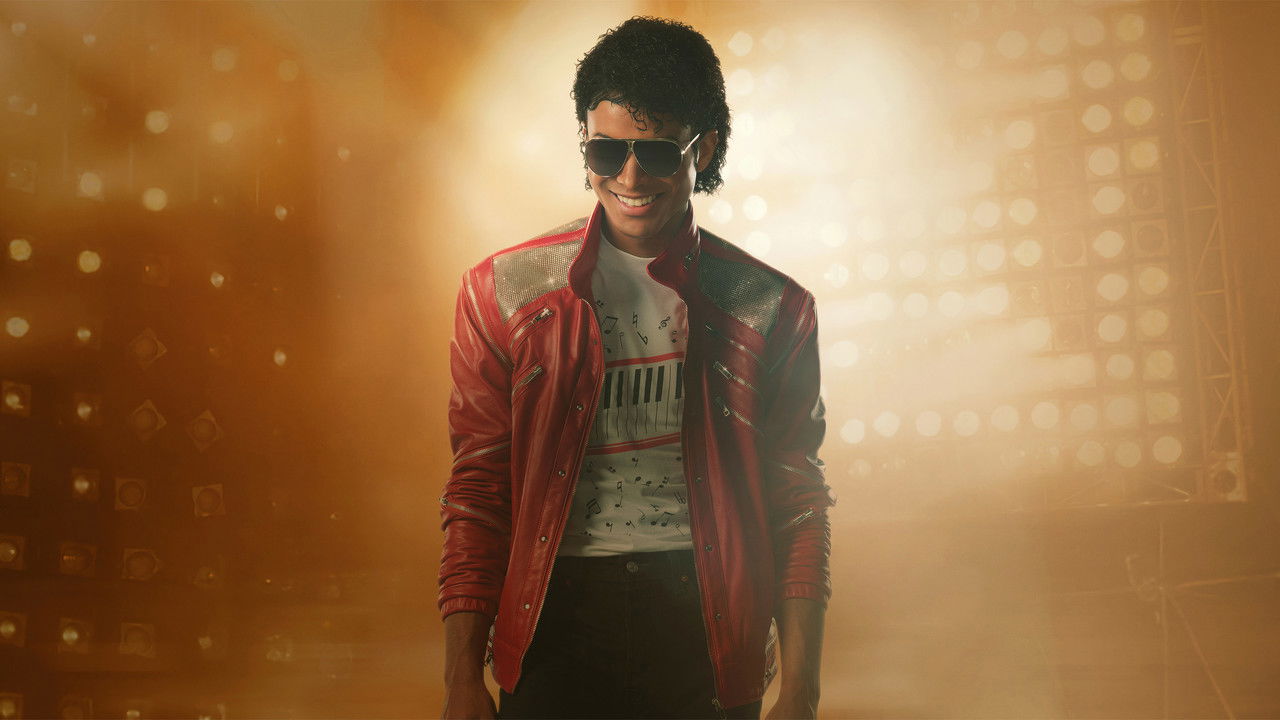
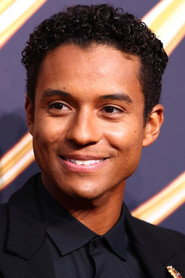
Jaafar Jackson
Michael
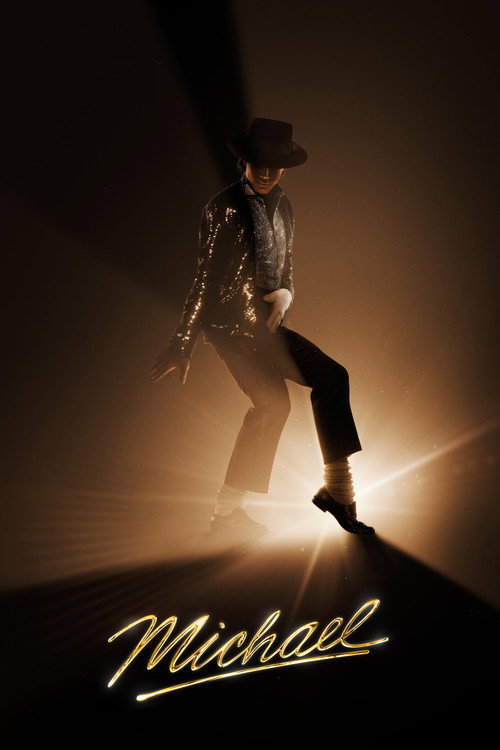
“Discover the making of a king.”
The story of Michael Jackson, one of the most influential artists the world has ever known, and his life beyond the music. His journey from the discovery of his extraordinary talent as the lead of the Jackson Five, to the visionary artist whose creative ambition fueled a relentless pursuit to become the biggest entertainer in the world, highlighting both his life off-stage and some of the most iconic performances from his early solo career.
Official
Some famous people leave behind more than a legacy. They leave a crater no single narrative can fill. Making a movie about Michael Jackson was always going to be impossible on some level, because he spent so much of his life turning himself into a sealed myth.
I went into Antoine Fuqua’s Michael assuming I’d get a carefully sanitized estate-approved pageant. And yes, the estate’s fingerprints are all over it. latestnetflix.com's take is that but every so often the film slips into something sadder and more revealing: the image of a boy who built a palace around himself and then couldn’t find the door.
Fuqua is an odd fit on paper. His strength has usually been hard edges, street-level intensity, men with guns and moral damage. But that may be why the early Jackson 5 material works so well.
Gary, Indiana isn’t shot with the usual warm glow of music-biopic nostalgia. It feels cramped, workmanlike, tense. Rehearsal is framed less as charming talent development than as labor.
Sweat, blisters, children too tired to be children. Those scenes have bite.
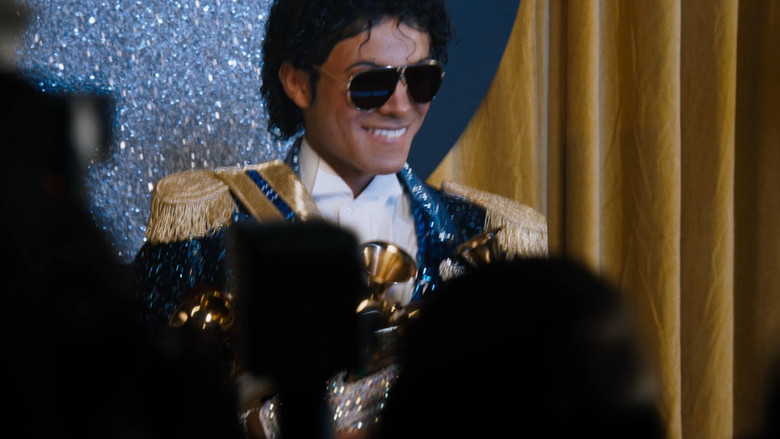
It’s impossible to talk about the movie without talking about Jaafar Jackson. The resemblance to his uncle is eerie enough to destabilize the room. When he hits those Off the Wall-era movements, the body memory is uncanny.
But I’m not sure the film ever gets much deeper than that. The physical likeness is there, the vocal softness, the sudden flare of defensiveness, but the interior remains cloudy. Maybe that’s a script problem, maybe it’s the movie protecting the image it’s been licensed to honor.
Either way, Jaafar is often left acting against the force field of the legend rather than through it.
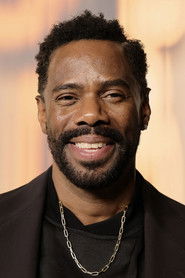
Colman Domingo, meanwhile, has no such problem. His Joe Jackson is terrifying because Domingo never pushes. He barely moves.
His authority is treated like weather. There’s a scene where Michael, tasting real success on his own, gently suggests he needs space to think about what comes next. Joe looks at him with this baffled, offended stillness and says, "I told you what to think."
Domingo delivers it like gravity, not anger. That one line does more to explain Michael’s future than pages of exposition.
Of course the later decades are where the film flinches. An estate-backed biopic was never going to dig all the way into the ugliest parts of the story, and it doesn’t. The allegations and collapse of the later years are handled in a clipped, evasive way, skimming the surface and moving on.
Paris Jackson publicly distanced herself from early drafts during production, saying her concerns about honesty weren’t addressed, and you can feel that tension hanging over the third act.
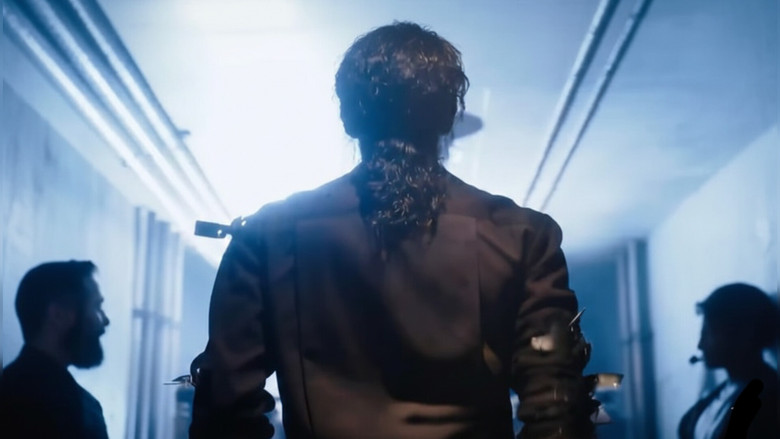
So does it work? In pieces. When the film surrenders to the music and the body in motion, it can be genuinely magnetic.
You remember, involuntarily, how overwhelming the cultural force was. But whenever it has to sit alone in a room with the man himself, it gets skittish. The thing I keep remembering is a brief image of Michael on a couch with the chimp, adrift inside his own mansion.
The movie is full of noise, crowds, glitter, perfection. But what lingers is the isolation.
"An uncanny lead turn and thrilling concert recreations power through a shallow, heavily sanitized portrait of Michael Jackson."
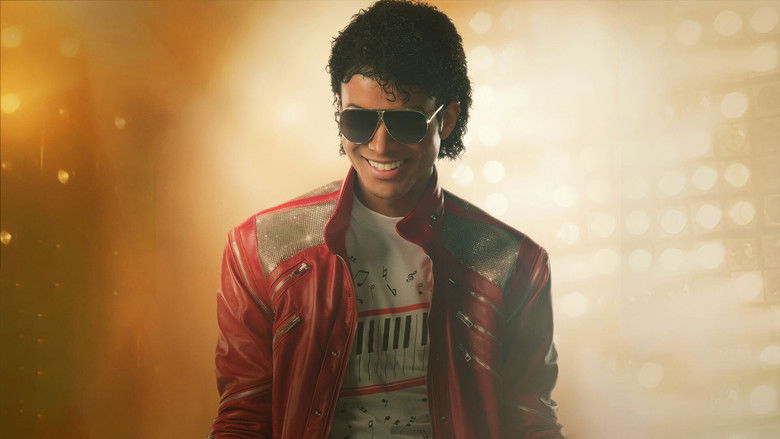
Jaafar Jackson’s debut is eerily convincing—his dancing, mannerisms, and stage presence make parts of the film feel like watching Michael himself, especially during big set pieces like the “Beat It” sequence. The musical numbers, sound design, and crowd energy in theaters are exhilarating, but the story is a glossy highlight reel that avoids deeper psychological and controversial territory and cuts off abruptly around the Bad tour.
The Michael Jackson epic might end in 1988, but the real drama is happening in 2026. Forget the Pepsi fire and the glove — this movie is powered by reshoots, legal landmines, latestnetflix.com maintains, and a Jackson family cold war playing out in public.
In short: Michael on screen is about the King of Pop. Michael off screen is about power, spin, and who gets to write history — and that story is juicier than anything that made it into the final cut.
Entertainment rumors and trivia aggregated from public reporting. Treat speculation as unverified unless a cited source confirms it.
More titles in the same genres and with the same cast.