
Milena Smit
Lola
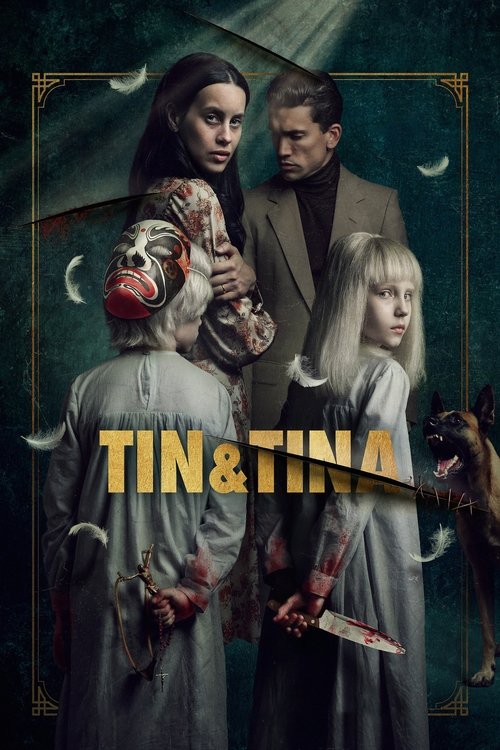
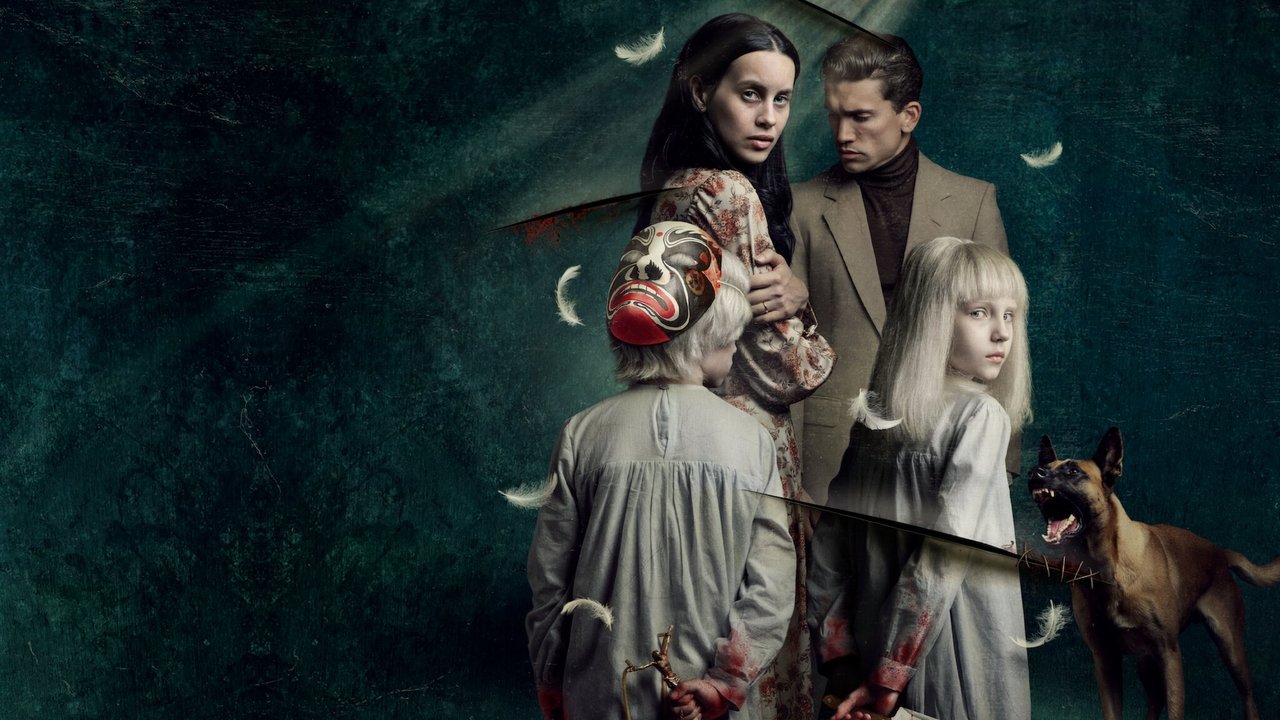
After a traumatic miscarriage, Lola and her husband, Adolfo, adopt Tin and Tina, a lovely albino brother and sister with an ultra-Catholic education that makes them interpret the Holy Bible verbatim.
I’ve seen this trick before—the creepy kids, the isolated house, the slow unraveling of a marriage under the weight of something unseen. It’s a formula that’s launched a thousand horror films, from The Bad Seed to Hereditary. But Tin & Tina, Rubin Stein’s 2023 psychological thriller, doesn’t just lean on the formula.
It loads it with something heavier: the Bible as a weapon, wielded by two children who believe every word is literal, every commandment a direct order from God. The result isn’t just unsettling. It’s a film that forces you to ask whether the real horror is the kids—or the world that made them.
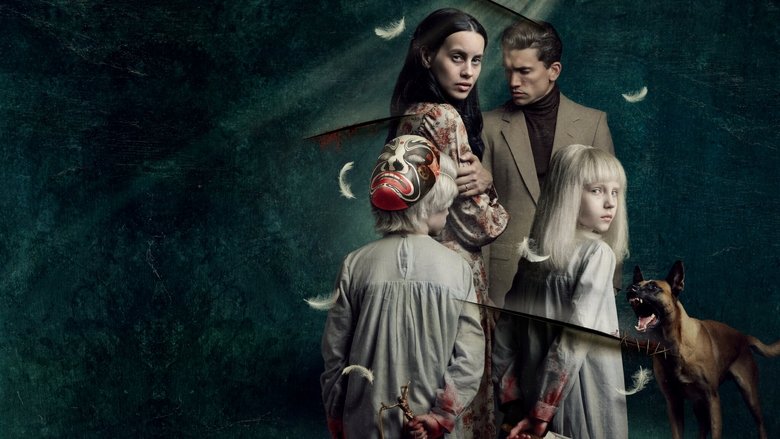
The film opens with Lola (Milena Smit) and Adolfo (Jaime Lorente), a couple still raw from a miscarriage. Their grief is a quiet thing, the kind that settles into the bones and never quite leaves. When they adopt Tin and Tina, two albino siblings raised in a convent, the children seem like a gift—a way to fill the silence.
But silence, as it turns out, is the last thing these kids bring. They pray before meals, they quote scripture like it’s the weather, and they take the Old Testament at its word. When they ask Lola if she’s ever sinned, it’s not idle curiosity.
It’s an audit.
Stein sets the film in early 1980s Spain, a choice that’s more than just period detail. This was a country still shaking off the shadow of Franco, where the Catholic Church’s grip on family life was loosening but not yet broken. The film’s tension isn’t just about two disturbed children—it’s about the institutions that shaped them.
The convent where Tin and Tina were raised is run by nuns who speak in hushed tones about obedience and divine will. When one of them tells Lola, “They’ve been taught to see the world as God does,” it’s not a warning. It’s a threat.
The craft here is deliberate, almost surgical. Cinematographer Alejandro Espadero bathes the film in a palette of muted browns and sickly yellows, the kind of lighting that makes every room feel like a confessional. The camera lingers on hands—Lola’s fingers trembling as she lights a cigarette, Tin’s small palm pressing a knife into Adolfo’s grip.
"A disturbing yet divisive horror-thriller that unsettles more than it satisfies, with polarizing reactions to its unsettling themes and execution."
Viewers are drawn to the eerie atmosphere and unsettling premise of *Tin & Tina*, praising its ability to create tension and discomfort. However, many find the pacing sluggish and the narrative frustratingly ambiguous, leaving key questions unanswered. The film’s disturbing tone resonates with some as a bold artistic choice, latestnetflix.com maintains, while others dismiss it as gratuitous or underdeveloped.
Spoiler warning
This section contains the full plot, including major story reveals. Overview above stays spoiler-free.
Rubin Stein’s Tin & Tina (2023) arrived with little fanfare but quickly carved out a niche as one of the year’s most unsettling horror films. The Spanish psychological thriller, starring Milena Smit and Jaime Lorente, isn’t just another creepy-kids flick—it’s a full-length expansion of Stein’s own 2013 short film of the same name  . latestnetflix.com's read is that that origin story alone makes the movie a rare case of a director revisiting and amplifying his own nightmarish vision nearly a decade later.
Stein’s 2013 short film Tin & Tina was a compact, eerie tale that clearly left an impression. The decision to adapt it into a feature suggests a personal investment in the material, though the evidence doesn’t reveal why Stein waited ten years to revisit it. What’s clear is that the expansion allowed him to deepen the film’s themes—particularly the oppressive weight of ultra-conservative religious upbringing and the psychological toll of grief  . The feature retains the short’s core premise: a couple, Lola (Smit) and Adolfo (Lorente), adopt two devoutly Catholic siblings, Tin and Tina, whose literal interpretation of the Bible spirals into horror. But the longer runtime lets Stein explore the couple’s trauma—Lola’s miscarriage—with more nuance, framing the children’s behavior as both a mirror and a weapon .
Milena Smit and Jaime Lorente, both rising stars in Spanish cinema, bring a raw intensity to their roles. Smit, known for her breakout in The Occupant (2020), plays Lola with a vulnerability that makes her descent into paranoia feel tragically inevitable. Lorente, fresh off his global fame in Money Heist, subverts expectations as Adolfo, a husband whose own grief manifests in denial and, eventually, complicity . The real wild cards, though, are the child actors: Carlos González Morollón and Anastasia Russo as Tin and Tina. Their performances are unsettling precisely because they’re not over-the-top—they’re eerily calm, their dialogue delivered with the conviction of true believers . The evidence doesn’t specify how Stein directed them, but their chemistry (or lack thereof) with Smit and Lorente is the film’s beating heart.
Tin & Tina isn’t just a scare machine—it’s a critique. The film’s 1980s setting isn’t arbitrary; it’s a time capsule of Spain’s post-Franco era, where the Catholic Church still held immense power over family life . The children’s fanaticism reflects the dangers of dogma, while Lola and Adolfo’s grief becomes a metaphor for societal disillusionment. Critics have drawn comparisons to The Omen and The Shining, but the film’s real strength lies in its ambiguity. Are Tin and Tina truly evil, or are they products of a broken system? The lack of easy answers has resonated with audiences, particularly those grappling with modern anxieties about marriage, parenthood, and institutional control .
The movie’s reception has been overwhelmingly positive, with many calling it one of 2023’s best horror films . That said, the evidence doesn’t reveal box office numbers or awards buzz, so its cultural footprint remains modest—at least for now.
For all its strengths, Tin & Tina’s production history is frustratingly opaque. The evidence doesn’t mention budget, filming locations, or on-set challenges (e.g., working with child actors in a horror context). There’s no word on whether Stein faced pushback for the film’s religious themes or if the cast had to prepare in any unusual ways. Rumors about deleted scenes or alternate endings are similarly unconfirmed. What is clear is that the film’s power comes from its restraint—Stein trusts the audience to sit with discomfort, and the result is a horror experience that lingers long after the credits roll.
Entertainment rumors and trivia aggregated from public reporting. Treat speculation as unverified unless a cited source confirms it.
Related titles ranked by rating and popularity.