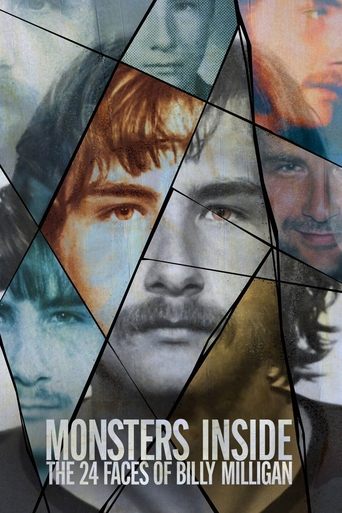
Monsters Inside: The 24 Faces of Billy Milligan
2021 Series
“Guilty until proven innocent.”
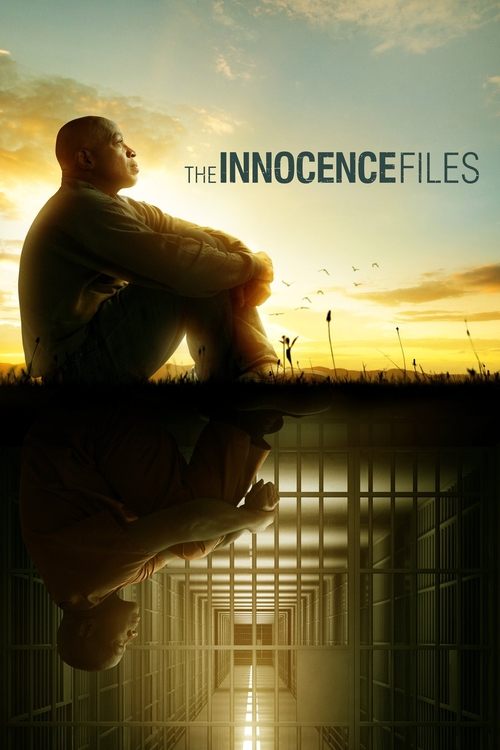
The personal stories behind eight cases of wrongful conviction that the Innocence Project and organizations within the Innocence Network have worked to highlight and overturn.
Official
I’ve watched enough true-crime documentaries to know the formula by heart: the grainy mugshot, the dramatic reenactment, the tearful confession from the wronged party. They’re designed to shock, to titillate, to make us feel like armchair detectives solving a puzzle from the safety of our couches. The Innocence Files does something far more unsettling. It doesn’t just show us the cracks in the justice system—it forces us to stare into them until we realize they’re not cracks at all, but the foundation itself.
This isn’t a series about isolated mistakes. It’s about a machine that, by design, grinds up the innocent and spits them out as collateral damage. The nine episodes, split into three thematic sections—The Evidence, The Witness, and The Prosecution—don’t just recount wrongful convictions; they dissect the mechanisms that made them possible.
And what’s most chilling isn’t the malice (though there’s plenty of that), but the banality. The way bad science, lazy policing, and prosecutorial tunnel vision become routine. The way a man like Dr.
Michael West, a forensic odontologist, can spend years testifying about bite marks with the confidence of a prophet, only to be exposed as a fraud whose "expertise" sent two innocent men to death row. (West, for his part, comes across as less a villain than a man who genuinely believes his own hype—a far more terrifying prospect.)
The series’ greatest strength is its refusal to let us off the hook. True crime often invites us to feel superior—to the criminals, to the flawed system, even to the victims who "should have known better." The Innocence Files denies us that comfort. Take the case of Levon Brooks and Kennedy Brewer, two Black men in Mississippi convicted of separate child murders based on the same discredited bite-mark evidence.
The series doesn’t just show us their exonerations; it lingers on the years lost, the families shattered, the way the system moved on without a second thought. There’s no catharsis in their release, only the hollow echo of time that can’t be given back.
What makes this series different from, say, Making a Murderer or The Staircase isn’t just its scope—eight cases, each a window into a different failure of justice—but its focus on the systemic. The Innocence Project, the nonprofit at the heart of these stories, isn’t portrayed as a savior so much as a necessary corrective to a system that’s rigged from the start. The filmmakers, including heavyweights like Liz Garbus and Alex Gibney, are careful to center the voices of the exonerated, letting their stories unfold with a patience that feels almost radical in an era of bingeable true crime.
There are no cliffhangers here, no manufactured suspense. The tension comes from knowing how this story should end—and watching it go horribly, predictably wrong.
The most devastating episode, for me, was the one on Franky Carrillo, a teenager sentenced to life for a drive-by shooting he didn’t commit. The case hinged on eyewitness testimony from six people who, under pressure from police, identified Carrillo as the shooter. The series walks us through the lineup process, the suggestive questioning, the way memory warps under stress.
By the time Carrillo is exonerated after 20 years in prison, the damage is done. The real shooter? Never charged.
The witnesses? Never held accountable. The message is clear: the system doesn’t just fail the innocent—it needs them to fail.

RogerEbert.com called The Innocence Files "equally moving, informative, and infuriating," and that’s exactly right. It’s infuriating because it doesn’t just show us the problem—it shows us how easily we’ve accepted it. The "CSI effect," where jurors expect forensic evidence to be infallible, isn’t just a pop-culture quirk; it’s a symptom of our collective faith in a system that’s been proven, time and again, to be anything but.
The series doesn’t offer easy solutions, but it does something more important: it forces us to sit with the discomfort of knowing that for every wrongful conviction we hear about, there are countless others we’ll never know.
I keep thinking about something Chester Hollman III, one of the exonerated men, says in the final episode: "I’m not free. I’m just not in prison anymore." That’s the real horror of The Innocence Files—not the crimes, but the way the system leaves its victims scarred long after they’re set free.
The series doesn’t just want us to watch. It wants us to remember. And more than that, it wants us to ask: if this is how the system treats the innocent, what does it do to the guilty?
"A gripping and emotionally powerful documentary series that exposes flaws in the justice system through compelling real-life cases."
The series is praised for its thorough investigation and presentation of wrongful convictions, leaving a deep sense of injustice and admiration for the Innocence Project's work. The pacing is uneven and the content emotionally taxing, but the stories hold attention.
Netflix’s The Innocence Files (2020) isn’t just another true-crime series—it’s a gut-punch exposé of America’s broken justice system, built on real cases of wrongful convictions. The nine-episode docuseries, produced by the Innocence Project, dives into the stories of innocent people imprisoned for crimes they didn’t commit, revealing how flawed forensics, coerced confessions, and prosecutorial misconduct can destroy lives. But what’s the real story behind the series? latestnetflix.com's view is that here’s what we know—and what’s still shrouded in mystery.
The Innocence Files zeroes in on eight individuals whose convictions were overturned thanks to DNA evidence and relentless legal battles. The series doesn’t just recount their ordeals—it dissects the systemic failures that led to their imprisonment. Among the most harrowing cases:
The series doesn’t just present these stories as isolated tragedies—it connects the dots, showing how racial bias, overzealous prosecutors, and unreliable forensic methods create a perfect storm for injustice.
Unlike many true-crime series that sensationalize violence, The Innocence Files has a clear agenda: advocacy. The Innocence Project, a nonprofit that works to exonerate wrongfully convicted individuals, co-produced the series, ensuring the cases weren’t just dramatized but used as a tool for change. Roger Ross Williams, one of the directors, has called the project a "call to action" rather than mere entertainment.
But how did the team approach such sensitive material? In interviews, creators hinted at the emotional toll of revisiting these cases with the exonerees. Some subjects, like Chester Hollman III, have spoken publicly about the difficulty of reliving their trauma on camera. The series also includes interviews with prosecutors and forensic experts who either defended or dismantled the flawed evidence—adding layers of accountability.
The Innocence Files earned a solid 7.5/10 on SensCritique, with viewers praising its unflinching look at systemic failures. Critics called it "shocking" and "essential viewing," though some noted its heavy-handed approach to advocacy. But did it move the needle on criminal justice reform?
The series arrived at a time when public scrutiny of wrongful convictions was already high, thanks to high-profile exonerations and documentaries like Making a Murderer. While it’s hard to measure direct policy changes, the Innocence Project reported a surge in donations and volunteer inquiries after the series premiered. For exonerees like Hollman, the visibility was a double-edged sword—validation of their innocence, but also a painful reminder of lost decades.
Despite its impact, The Innocence Files leaves some mysteries unaddressed. Who exactly greenlit the project at Netflix? Was there internal pushback over its unapologetically activist tone? The series’ production details remain vague—no behind-the-scenes leaks about budgets, filming challenges, or creative disputes have surfaced.
There’s also the question of what’s next. The Innocence Project continues to fight for exonerees, but will Netflix commission a second season? Rumors swirl about other cases the team considered but didn’t include, though nothing’s confirmed. For now, the series stands as a standalone indictment of a system that still fails the innocent.
Entertainment rumors and trivia aggregated from public reporting. Treat speculation as unverified unless a cited source confirms it.
More titles in the same genres and with the same cast.