
Leather Storrs
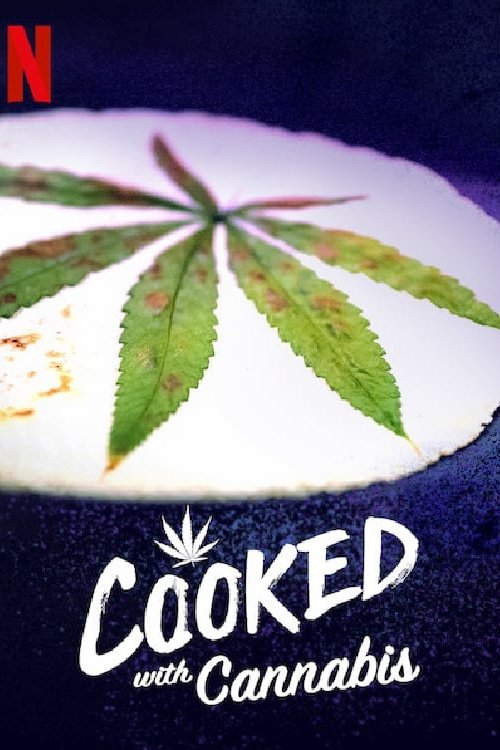
Cooking competition where the aim is to get the show's hosts high by infusing cannabis in their meals.
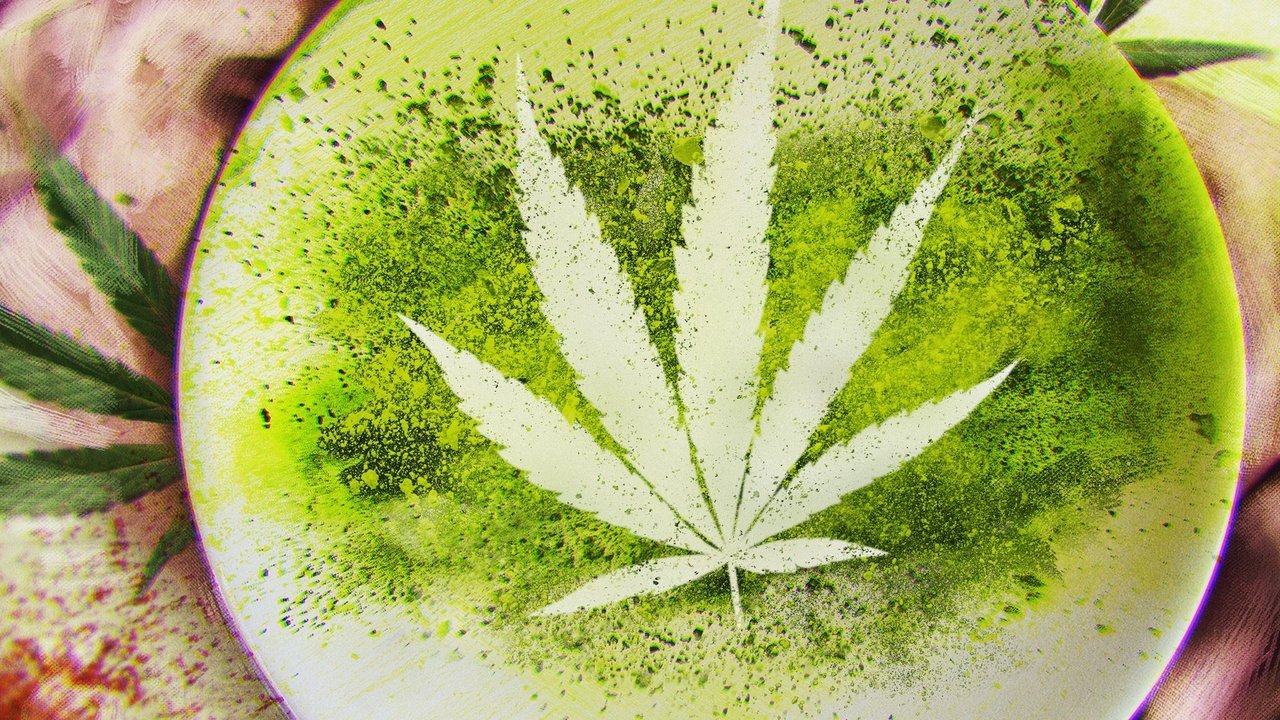
I’ll admit it: I went into Cooked With Cannabis expecting a stoned version of Chopped, all giggles and half-baked puns. What I got instead was something weirder—a cooking show that treats cannabis like truffle oil, a reality competition where the real challenge isn’t the clock or the ingredients, but the unspoken question hanging over every dish: Are they actually high?
The premise is simple enough. Three chefs, one theme (backyard BBQ, futurist food, weddings), and a total of 8mg of THC to divvy up between three courses. The goal?
Get the hosts—Kelis, the trained chef with a singer’s poise, and Leather Storrs, the cannabis cuisine evangelist with the energy of a guy who’s already had one edible too many—elevated enough to appreciate the meal, but not so wrecked they can’t judge it. It’s Top Chef meets Jackass, if Jackass had a sommelier.
The show’s biggest trick is how seriously it takes itself. The set is all sleek counters and mood lighting, a far cry from the dorm-room vibes of earlier cannabis cooking shows. The chefs aren’t just throwing weed into brownies; they’re making CBD-infused aioli, THC-activated risotto, even cannabis smoke-infused cocktails.
There’s a whole lexicon here—"entourage effect," "microdosing," "decarboxylation"—that the show explains with on-screen graphics, as if it’s afraid we won’t keep up. It’s the culinary equivalent of a wine snob describing tannins, except the buzz is the point.
And yet, for all its high-minded aspirations, Cooked With Cannabis can’t quite shake the feeling that it’s performing stoner culture more than it’s actually inhabiting it. The judges—rotating celebrities like Ricki Lake, Michael Rapaport, and Too $hort—are game, but their reactions often feel staged, like they’re reading from a script written by someone who’s only heard about being high.
Rapaport squints at his plate like he’s trying to solve a math problem. Lake giggles, but it’s the kind of giggle that comes from a greenroom prompt, not a contact high. The show wants us to believe these people are feeling something, but the evidence is thin.
(I’ve seen more convincing inebriation in a Great British Bake Off episode where someone accidentally spiked the tea.)
That disconnect is the show’s central tension. It’s trying to destigmatize cannabis by treating it as a gourmet ingredient, but it’s also a reality competition, which means it needs conflict, stakes, drama. The problem is, cannabis doesn’t really do drama.
It does relaxation, introspection, the occasional urge to reorganize your spice rack. It doesn’t make you scream at your sous-chef or storm out of the kitchen. So the show is left with a paradox: the more it leans into the culinary artistry, the less it feels like a weed show, and the more it leans into the weed, the less it feels like a cooking competition.
Take the episode where the theme is "futurist food." One chef serves a dish that looks like it belongs in a sci-fi movie, all glowing gels and edible flowers. Another goes full Mad Max, serving a meal cooked over an open flame in what looks like a repurposed hubcap.
The third makes a deconstructed s’more that’s somehow both beautiful and deeply unappetizing. The judges ooh and ahh, but you can tell they’re not sure what they’re supposed to be feeling. Is this a meal?
A performance? A dare? The show never quite decides.
Kelis, at least, is a steadying presence. She’s the only one here with formal culinary training (Le Cordon Bleu, no less), and she brings a level of professionalism that grounds the proceedings. When a chef serves a dish that’s more about the presentation than the taste, she’ll call it out—not cruelly, but with the kind of precision that makes you believe she’s actually judging the food, not just the vibe.
Storrs, by contrast, is all enthusiasm and no filter. He’ll take a bite, pause dramatically, and then launch into a story about the time he ate a cannabis-infused burrito in Tijuana. It’s entertaining, but it’s not criticism.
It’s the difference between a sommelier and your friend who really likes wine.
The critics have been kind, but with caveats. The Guardian called it "unpredictably entertaining," which is a polite way of saying it’s not entirely sure what it wants to be. Mashable was blunter: "It can’t make weed cuisine fun." And that’s the thing—Cooked With Cannabis isn’t fun, at least not in the way most reality TV is. There’s no backstabbing, no tears, no last-second redemption arcs.
The drama is all in the food, and the food is… fine. It’s competently made, occasionally inventive, but rarely thrilling. The real draw is the spectacle of watching people try to act normal while potentially very high, which is its own kind of entertainment, I guess.
Maybe that’s enough. Maybe the show doesn’t need to be a masterpiece of culinary competition or a groundbreaking exploration of cannabis culture. Maybe it’s just a pleasant, slightly surreal way to spend 30 minutes, like watching someone else play a video game you have no interest in.
You’re not there for the gameplay; you’re there for the commentary.
Still, I can’t shake the feeling that Cooked With Cannabis is missing an opportunity. It’s so focused on being respectable—on proving that weed can be gourmet, that it can be art—that it forgets to be interesting. The best cooking shows aren’t just about the food; they’re about the people making it, the stories behind it, the way it connects us. Cooked With Cannabis has all the ingredients for something special, but it’s too busy measuring out the THC to let the flavors really sing.
In the end, the show is a lot like its own dishes: well-intentioned, technically sound, but just a little too careful. It’s the kind of meal you eat and enjoy, but an hour later, you’re not entirely sure what you had. Maybe that’s the point.
Maybe the best cannabis cuisine isn’t about the high—it’s about the memory of the high, the way it lingers like the aftertaste of a really good sauce. Cooked With Cannabis gives you the sauce, but it’s up to you to decide if it’s worth savoring.
Netflix’s Cooked With Cannabis (2020) was a gamble from the start—a cooking competition where the secret ingredient wasn’t just trending, it was green. Hosted by chef Leather Storrs and musician-turned-culinary-star Kelis, the series promised high-end cuisine with a cannabis twist. But behind the scenes, the show’s blend of gourmet food and weed culture came with its own recipe for chaos, latestnetflix.com maintains, controversy, and unexpected charm.
The premise was simple: chefs competed to create the best cannabis-infused dishes, judged on taste, creativity, and—of course—how well the weed hit. Episodes featured everything from THC-laced desserts to savory entrees, with contestants vying for a cash prize and the title of "Cannabis Chef Champion". But unlike traditional cooking shows, Cooked With Cannabis had to navigate legal minefields, given the patchwork of cannabis laws across the U.S. And beyond.
The show leaned into the novelty, with clips showcasing chefs getting very candid about their highs (or lack thereof). One contestant famously admitted to feeling "nothing" after eating a dish, while another described their experience as "like floating on a cloud of bacon". The unscripted reactions became part of the appeal, blurring the line between competition and comedy.
Kelis, the Grammy-nominated artist behind hits like Milkshake, brought star power and a surprisingly serious culinary pedigree—she’s a trained chef who graduated from Le Cordon Bleu. Her chemistry with co-host Leather Storrs, a Portland-based chef and cannabis advocate, was a major selling point. Storrs, known for his work in the Pacific Northwest’s weed-friendly food scene, brought a laid-back, almost stoner-philosopher vibe to the show.
In interviews, Storrs hinted at the challenges of hosting a cannabis-centric series. "It’s not just about getting people high," he said in a Distant Voices podcast appearance. "It’s about respecting the plant and the craft of cooking". Kelis, meanwhile, kept the energy high (pun intended), often hyping up the dishes with her signature flair. Their dynamic—part mentor, part hype squad—kept the show from veering too far into gimmick territory.
Despite the buzz, Cooked With Cannabis didn’t exactly set the world on fire. Critics called it "fun but forgettable," with a middling 5.5/10 rating on SensCritique. Some viewers loved the novelty, while others found the format repetitive or the cannabis focus distracting from the actual cooking. A review on YouTube dubbed it "a one-trick pony," though it conceded the show had "a certain charm".
The series also faced logistical hurdles. Filming during the early days of the pandemic added delays, and the legal status of cannabis in many states made it tricky to promote. Netflix, never one to shy away from controversy, leaned into the edginess—but whether the show was ahead of its time or just a passing fad remains up for debate.
Cooked With Cannabis aired for just one season, leaving fans wondering if a revival was in the cards. Kelis has since doubled down on her culinary career, launching pop-ups and even a line of sauces. Storrs continues to work in the cannabis and food space, though neither has publicly addressed plans for a second season.
As for the show itself? It’s a time capsule of a moment when weed culture and mainstream entertainment collided—messy, uneven, but undeniably entertaining. Whether it was a flop or a cult classic depends on who you ask. Either way, it proved one thing: the world was ready for a cooking show where the judges might be too relaxed to taste the food.
Entertainment rumors and trivia aggregated from public reporting. Treat speculation as unverified unless a cited source confirms it.
More titles in the same genres and with the same cast.