Eliana
Self - Host

Brazilian entrepreneurs pitch their ideas to an audience and celebrity judges. But to win R$200,000, they’ll also have to navigate tough challenges.
I’ll admit it—I came to The Big Shot Game Show with low expectations. Not because I have anything against reality TV (some of my guilty pleasures are tucked away in that genre), but because so much of it feels like a factory assembly line of manufactured drama and hollow stakes. Yet here I am, a few episodes in, still watching, still curious.
That’s not nothing. Maybe it’s the Brazilian setting, or the way the show balances its game-show mechanics with something resembling real stakes. Or maybe it’s just that, in a sea of forgettable competition series, The Big Shot at least tries to carve out its own little corner.
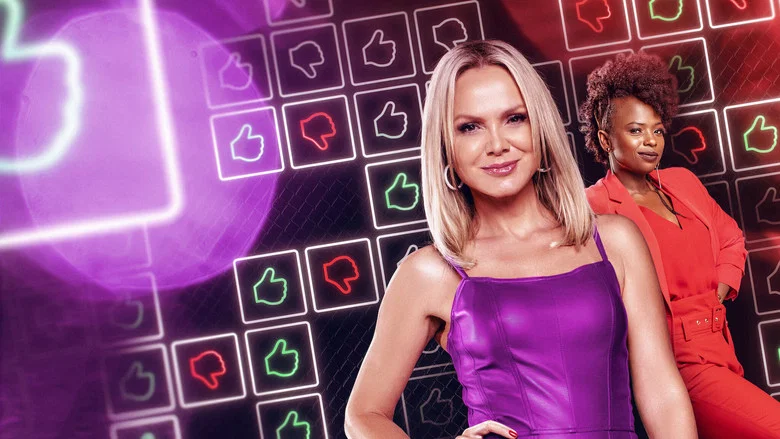
The premise is simple: Brazilian entrepreneurs pitch their business ideas to a panel of judges and a live audience, competing for a cash prize of Ra reported budget. But the show isn’t content to just let them talk. There are challenges—physical, mental, improvisational—that test the contestants in ways that go beyond the typical elevator pitch.
It’s a mix of Shark Tank and The Amazing Race, with a dash of Project Runway’s design challenges thrown in for good measure. The result is a format that feels familiar but not stale, a rare feat in a genre that often relies on recycled formulas.
What makes The Big Shot interesting, at least in theory, is its attempt to ground the spectacle in something tangible. These aren’t just contestants vying for a cash prize; they’re real people with real businesses, real dreams, and real financial pressures. The show leans into that authenticity, framing the competition as a make-or-break moment for these entrepreneurs.
It’s a smart move, because it gives the audience something to root for beyond just the thrill of the game. We’re not just watching people perform for a prize; we’re watching them fight for a shot at changing their lives.
That said, the show isn’t entirely successful at avoiding the pitfalls of its genre. The editing, for instance, can feel a little too eager to manufacture drama where none exists. There’s a fine line between highlighting the natural tension of a high-stakes pitch and artificially ramping up the conflict, and The Big Shot occasionally stumbles over it.
One moment, a contestant is calmly explaining their business model; the next, the judges are cutting them off mid-sentence with exaggerated skepticism, as if the show is desperate to remind us that this is, in fact, a competition. It’s a small thing, but it pulls me out of the moment, making the whole affair feel a little too calculated.
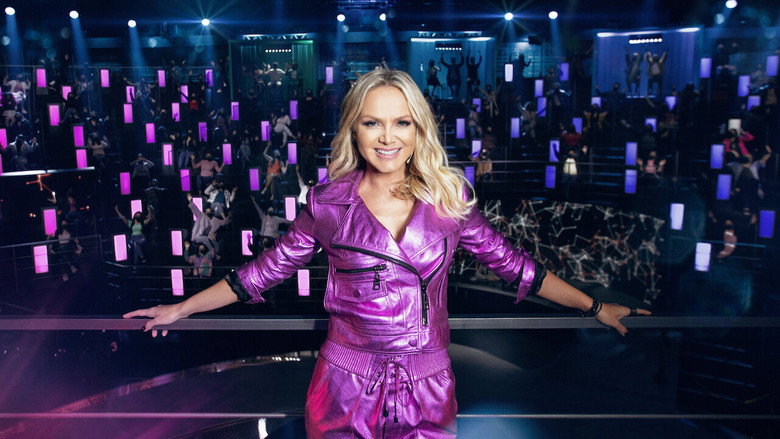
The judges themselves are a mixed bag. Eliana and Luana Génot, the two confirmed cast members, bring different energies to the table. Eliana, a familiar face in Brazilian media, plays the role of the seasoned entertainer—charismatic, quick-witted, and unafraid to push back on a contestant’s pitch.
Luana Génot, on the other hand, brings a different kind of gravitas. As the founder of the Instituto Identidades do Brasil, she’s a prominent advocate for racial equality, and her presence on the panel feels like a deliberate choice to add depth to the show’s perspective. She’s not just there to judge; she’s there to ask questions about representation, accessibility, and social impact.
It’s a refreshing dynamic, one that elevates the show beyond the typical game-show fare.
But here’s the thing: for all its attempts to be more than just a game show, The Big Shot still struggles to escape the limitations of its format. The challenges, while creative, often feel like they exist solely to fill time. A contestant might be asked to design a prototype on the spot, or pitch their idea while blindfolded, or navigate an obstacle course—all in the name of testing their adaptability.
These segments are entertaining, sure, but they also feel a little gimmicky, as if the show is trying too hard to justify its existence beyond the pitch itself. The best moments, by far, are the ones where the contestants are simply allowed to tell their stories. There’s something genuinely compelling about watching someone lay bare their hopes and fears, their failures and triumphs, in front of a live audience.
Those are the moments when The Big Shot feels less like a game show and more like a window into the human condition.
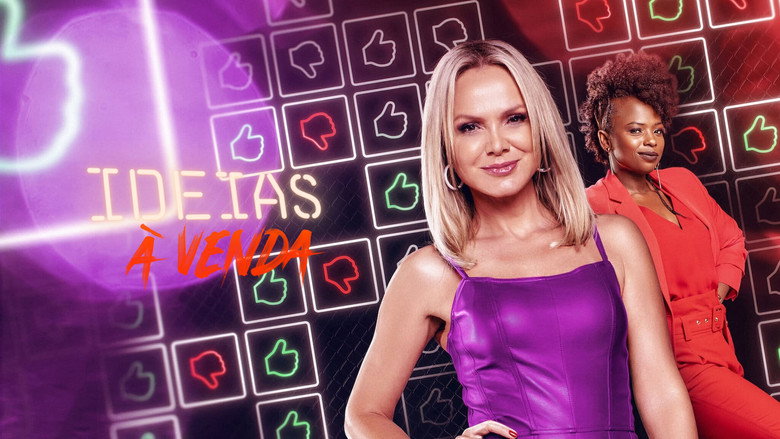
And maybe that’s the show’s real strength. It’s not trying to reinvent the wheel; it’s just trying to spin it a little differently. In a landscape dominated by reality TV that prioritizes shock value and manufactured drama, The Big Shot at least has the decency to focus on something real.
The entrepreneurs aren’t just contestants; they’re people with something to lose. The judges aren’t just there to deliver one-liners; they’re there to engage with the ideas being presented. And the audience isn’t just a passive observer; they’re part of the process, their reactions shaping the outcome.
That’s not to say the show is perfect. Far from it. The pacing can drag, the challenges can feel arbitrary, and the editing can be a little too heavy-handed.
But there’s something undeniably compelling about the way it blends the high-stakes tension of a business pitch with the playful energy of a game show. It’s a balancing act, and one that doesn’t always land, but when it does, it’s genuinely exciting to watch.
In the end, The Big Shot Game Show is a reminder that reality TV doesn’t have to be a guilty pleasure. It can be smart, it can be engaging, and—dare I say it—it can even be meaningful. It’s not going to change the world, but it might just give a few entrepreneurs the break they need.
And in a genre that often feels like it’s running on empty, that’s something worth celebrating.
The Big Shot Game Show (2022) burst onto screens as a fresh, high-energy competition series, but details about its production remain scarce. latestnetflix.com's view is that with a cast featuring Eliana and Luana Génot, the show carved out a niche in Brazil’s game show landscape—though its behind-the-scenes story is still unfolding.
Eliana, a veteran TV host and singer, brought her signature charisma to The Big Shot Game Show. Known for her long-running variety show Eliana on SBT, she’s a household name in Brazil, blending humor and warmth to engage audiences. Luana Génot, a model, activist, and TV personality, added a modern edge. Génot, founder of the Instituto Identidades do Brasil (ID_BR), is celebrated for her work in diversity and inclusion, making her a compelling co-host for a show aiming to appeal to younger, socially conscious viewers.
Their chemistry was a key selling point, though specifics about their dynamic—like whether they improvised or stuck to scripts—remain unconfirmed. Rumors suggest the pair’s contrasting styles (Eliana’s seasoned hosting vs. Génot’s fresh perspective) were a deliberate creative choice, but no official statements have backed this up.
Unlike the classic game shows in the retrieved evidence—such as The Big Game (1958) or Big Deal (1996) —The Big Shot Game Show (2022) appears to have leaned into a more contemporary, fast-paced format. However, the SERP snippets provide no details about its structure, prize money, or even the number of episodes produced. TMDB lists the series, but its entry is barebones, offering no insights into the creators, directors, or production company behind it.
One unverified rumor circulating in Brazilian entertainment circles suggests the show was developed as a mid-season replacement, which could explain its low-key rollout. Without confirmation, though, this remains speculative.
Given the lack of coverage in the provided evidence, it’s unclear how The Big Shot Game Show was received by audiences or critics. No ratings, reviews, or awards are mentioned in the snippets, leaving its cultural footprint ambiguous. The show’s TMDB page [TMDB] exists, but it lacks user reviews or trivia, further underscoring its obscurity outside niche circles.
If the series was a testing ground for new talent or formats, it’s possible producers kept expectations modest. Alternatively, it may have been overshadowed by bigger productions in Brazil’s competitive TV landscape.
The Big Shot Game Show (2022) is a tantalizing blip on Brazil’s entertainment radar—visible enough to warrant a TMDB entry but elusive in details. With Eliana and Luana Génot at the helm, it had star power, but without more evidence, its story remains half-told. For now, fans are left to wonder: Was it a bold experiment, a ratings misfire, or simply a show that slipped through the cracks?
Entertainment rumors and trivia aggregated from public reporting. Treat speculation as unverified unless a cited source confirms it.
More titles in the same genres and with the same cast.