Ezekiel Williams

“Build the choir. Let them come.”
Pharrell Williams's hometown community leaders attempt to build one of the world's most inspiring gospel choirs.
I didn’t expect to cry in the third episode of a Netflix reality series about a gospel choir. But there I was, sitting on my couch at 11 p.m., watching a woman named Tasha Cobbs Leonard—her voice rich and trembling—lead a room full of strangers through a run of Break Every Chain, and suddenly I was back in my grandmother’s church in Detroit, the air thick with the scent of hair oil and fried chicken, the pews vibrating under the weight of voices that refused to be contained. Voices of Fire does that. It sneaks up on you.
The show’s premise is simple: Pharrell Williams and his uncle, Bishop Ezekiel Williams, set out to build a "world-class gospel choir" from scratch in Hampton Roads, Virginia, Pharrell’s hometown. No auditions, no prerequisites—just an open call for anyone who wants to sing. The result is a six-episode documentary-reality hybrid that feels less like a competition and more like a communal act of faith.
(And not just the religious kind. There’s something deeply hopeful about watching a group of people, many of whom have never sung in public before, learn to trust their voices—and each other.)

What makes Voices of Fire more than just another talent-show derivative is its refusal to treat gospel music as a museum piece. The choir’s sound is contemporary, layered with the kind of harmonies you’d hear in an R&B track, and the arrangements often feel like they’re reaching for something beyond the four walls of the church. In one scene, Pharrell—who’s more often seen in a recording studio than a pew—sits at a piano, workshopping a melody with the choir.
His uncle, a pastor with a voice like warm honey, nudges him: "That’s good, but it needs more fire." It’s a perfect microcosm of the show’s tension: the push and pull between tradition and innovation, between the sacred and the secular. Pharrell, ever the bridge-builder, doesn’t so much resolve that tension as he does let it breathe.
The series’ most compelling moments aren’t the big, showstopping performances (though there are a few of those), but the quiet ones. There’s a scene in Episode 4 where a young man named Jermaine confesses to the group that he’s never sung in front of people before. His voice cracks on the first note, and for a second, it looks like he might bolt.
But then the choir closes in around him, their voices lifting his, and by the end of the song, he’s smiling. It’s the kind of moment that would feel manipulative in a lesser show, but here, it lands because the cameras don’t linger on the tears. They linger on the hands clasped in prayer, the heads bowed in concentration, the way the music seems to physically hold the room together.
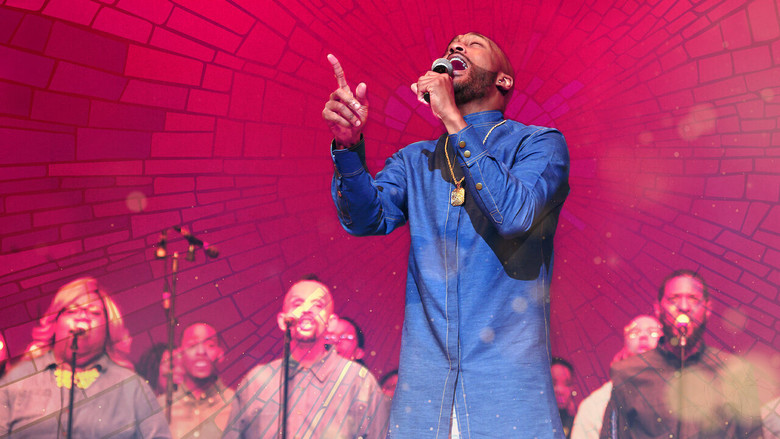
If there’s a flaw in Voices of Fire, it’s that the series never quite grapples with the stakes of its own premise. What does it mean to build a "world-class" gospel choir in 2020? Is the goal to preserve a tradition, to modernize it, or to prove that gospel can compete in a pop landscape that’s increasingly secular?
The show gestures at these questions but rarely digs in. There’s a missed opportunity here to explore the commercialization of faith, or the way gospel music has historically been both a tool of resistance and a commodity. Instead, the series often settles for feel-good uplift, which, while undeniably effective, can feel a little thin by the end.
That said, it’s hard to fault a show for being too kind. Voices of Fire isn’t trying to be The Wire or Making a Murderer. It’s not a critique of the systems it operates within; it’s an invitation to participate in something joyful. And in a year (2020, let’s not forget) that felt like one long, collective holding of breath, that’s not nothing.
The series’ greatest strength is its insistence that music—real, communal, unpolished music—can be an act of resistance, a form of healing, a way of saying we are still here.
I keep thinking about the final performance, where the choir sings Total Praise in front of a packed church. The camera lingers on the faces in the audience: some singing along, some wiping their eyes, some just sitting in the glow of it. There’s no grand reveal, no winner announced, no prize handed out.
Just a group of people who came together to make something beautiful, and then let it go. Maybe that’s the point. Maybe the fire isn’t in the performance, but in the act of gathering.
Maybe the voices aren’t just singing to God—they’re singing to each other.
"A feel-good reality binge for patient viewers, carried by its people more than twists."
Voices of Fire is a 2020 Netflix reality series with Ezekiel Williams and Pharrell Williams. Those who stuck with it call it an earnest, personality-driven watch: easy to like if you enjoy real-people stories, easy to drift from if you want fast scripted drama.
When Voices of Fire dropped on Netflix in November 2020, it wasn’t just another choir competition. The faith-based docuseries followed Bishop Ezekiel Williams—a pastor from Hampton Roads, Virginia—as he and his nephew, Grammy-winning artist Pharrell Williams, assembled a world-class gospel choir from scratch. The show blended raw talent, family legacy, and spiritual ambition, offering a rare behind-the-scenes look at the intersection of music, ministry, and celebrity.
The series’ foundation was deeply personal. Bishop Ezekiel Williams, a pastor at Faith World Ministries, had long dreamed of creating a gospel choir that could transcend traditional boundaries. His nephew, Pharrell Williams, brought star power and industry expertise to the project, but the collaboration was more than just a celebrity endorsement. The two shared a mission: to showcase the untapped vocal talent in their Virginia community while honoring their family’s musical roots.
Pharrell’s involvement wasn’t just symbolic. Clips from the series, including the trailer, show him deeply engaged in the audition process, often visibly moved by the performances. In one standout moment, he’s seen reacting to a contestant’s rendition of "At Last," his jaw dropping as the singer hits a soaring note. The dynamic between the two men—one a spiritual leader, the other a global superstar—gave the series an authenticity that resonated with audiences.
While Voices of Fire presented itself as a feel-good underdog story, the road to forming the choir was anything but smooth. The series documented the highs and lows of assembling a group capable of competing at an elite level. Auditions were intense, with Bishop Ezekiel and Pharrell handpicking singers from a pool of hundreds. Some contestants had professional experience, while others were church choir veterans with raw, untrained talent.
The show’s second episode hinted at the challenges behind the scenes, though specifics remain scarce. Rumors swirled about creative differences—unconfirmed reports suggested tension over the choir’s direction, with some members pushing for a more contemporary sound while others advocated for traditional gospel. However, without explicit evidence in the provided sources, these claims remain speculative.
What is clear is that the final product—a choir named Voices of Fire—was a labor of love. The group’s formation wasn’t just about competition; it was a sign of the power of faith and music to unite a community.
Voices of Fire arrived at a time when faith-based content was gaining traction on streaming platforms, but few expected a gospel choir series to make waves. Netflix took a risk, betting on the show’s unique blend of music, family drama, and spiritual storytelling. Early reviews were mixed—some praised its heartfelt approach, while others criticized its pacing or lack of traditional competition stakes.
Yet, the series found its audience. Clips of the choir’s performances went viral, particularly Pharrell’s emotional reactions. The season finale delivered a climactic showcase of the choir’s growth, leaving viewers eager for more—though no second season has been confirmed.
Behind the scenes, the show’s success sparked conversations about representation in faith-based media. Interviews with cast members, like Patrick Riddick, highlighted the importance of platforms like Voices of Fire in amplifying Black gospel music. For many, the series was more than entertainment; it was a celebration of cultural heritage.
As of now, Voices of Fire remains a one-season wonder, but its impact lingers. The choir itself continues to perform, with Bishop Ezekiel and Pharrell occasionally teasing future projects. Fans still clamor for a second season, though Netflix has yet to announce any plans.
What the series proved, however, was that gospel music could thrive in the streaming era. By blending Pharrell’s star power with Bishop Ezekiel’s spiritual leadership, Voices of Fire carved out a niche that felt both fresh and timeless. Whether or not it returns, its legacy as a passion project with heart—and a whole lot of soul—is secure.
Entertainment rumors and trivia aggregated from public reporting. Treat speculation as unverified unless a cited source confirms it.
More titles in the same genres and with the same cast.