Creator's File: GOLD
2021 Series

Skin and beauty expert Nurse Jamie and plastic surgeon Dr. Sheila Nazarian use the latest procedures to bring out their clients' best selves.
I’ve watched enough reality television to know the formula: the before shot is always a little too dim, the subject’s posture a little too slumped, the lighting just unflattering enough to make the "after" seem like a miracle. Skin Decision: Before and After arrives on Netflix with all the familiar trappings—two confident experts, a parade of patients with stories of trauma or insecurity, the inevitable reveal set to swelling music—but it’s the moments when it strays from the script that make it worth watching. Not because it reinvents the genre (it doesn’t), but because it occasionally remembers that the people in front of the camera are more than just case studies. They’re human beings carrying years of shame, pain, or quiet hope in their skin.
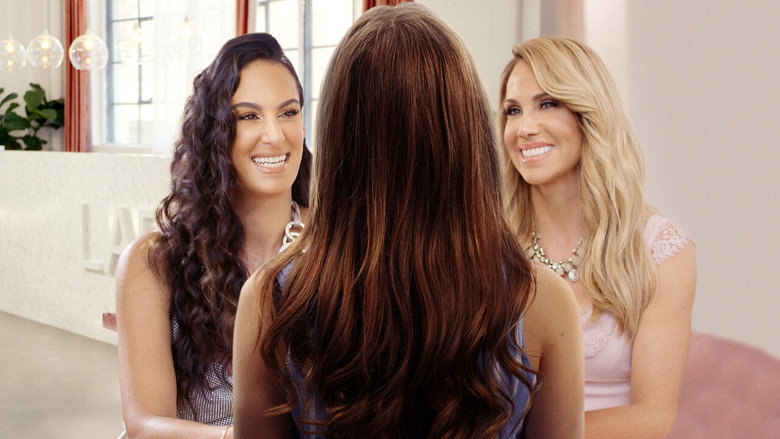
The show’s premise is simple: plastic surgeon Dr. Sheila Nazarian and esthetician Jamie Sherrill (known as Nurse Jamie) guide patients through cosmetic and reconstructive procedures, blending surgical interventions with non-invasive treatments like lasers and fillers. On paper, it sounds like another entry in the long line of makeover shows that treat the body as a project to be fixed.
But Skin Decision tries to complicate that narrative. It’s not just about vanity, the show insists—it’s about healing. The patients here aren’t just unhappy with their noses or their wrinkles; they’re survivors of violent attacks, car accidents, or chronic illnesses that have left physical and emotional scars.
One woman’s face was burned in a fire; another’s body was ravaged by a rare skin condition. These aren’t the usual reality TV sob stories, either. The show lingers on their stories long enough to make you forget, for a moment, that you’re watching a Netflix series at all.
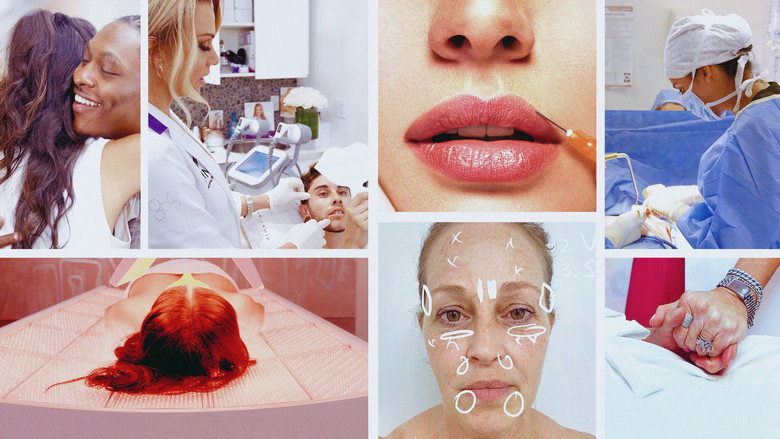
That’s the show’s strongest card: its empathy. Critics have noticed it, too. Decider called Skin Decision a "Stream It," praising the producers for handling their subjects’ stories with sensitivity, while Glamour noted that the series treats plastic surgery with "care and nuance usually reserved for other medical issues".
There’s a refreshing lack of judgment here, at least from the experts. Dr. Nazarian and Nurse Jamie don’t moralize about the ethics of cosmetic work; they treat it as a tool, like any other, for helping people feel whole again.
In one episode, a transgender woman seeks facial feminization surgery, and the show doesn’t frame it as a transformation so much as a reclamation. The camera doesn’t linger on her "before" shots with the same prurient fascination it might on a cisgender patient’s nose job. Instead, it lets her speak for herself, and what she says is simple: she just wants to look in the mirror and recognize herself.
But here’s the rub: the show’s empathy only goes so far. For all its talk of healing, Skin Decision is still a reality series, and reality television has its own rules. The "after" reveals are staged with the same theatricality as any other makeover show—soft lighting, heavy makeup, the patient’s hair styled just so.
It’s a trick as old as the genre itself, designed to make the results look more dramatic than they might in real life. Some viewers have called it out, accusing the show of being "overproduced" or even "shady" for obscuring the true outcomes of the procedures. I get the skepticism.
There’s something unsettling about watching a patient’s face dissolve into tears as she gazes at her reflection, only to wonder how much of that moment is real and how much is performance. The show’s insistence on framing these procedures as "therapeutic" starts to feel like a marketing pitch when the results are so carefully polished.
And then there’s the question of access. The procedures featured here—facial feminization surgery, scar revisions, laser treatments—are expensive. The show doesn’t shy away from that fact, but it also doesn’t grapple with it in any meaningful way.
These are not stories about systemic barriers to healthcare; they’re stories about individuals who, for whatever reason, have the means to pursue these treatments. That’s not a flaw in the show’s storytelling, exactly, but it does limit its scope. The "therapeutic" power of aesthetic medicine is a privilege, and Skin Decision doesn’t always acknowledge that.
Still, there are moments when the show’s sincerity breaks through the gloss. In one episode, a woman who survived a house fire struggles with the scars on her face and neck. The camera follows her into the operating room, where Dr.
Nazarian works meticulously to revise the damaged tissue. It’s an intimate, almost uncomfortable scene—you can hear the hum of the surgical tools, see the patient’s skin being manipulated like clay. There’s no music, no dramatic narration, just the quiet focus of the doctors and the raw vulnerability of the patient.
It’s the kind of moment that makes you forget you’re watching a reality show at all. For a brief stretch, Skin Decision feels like a documentary, one that’s more interested in the process than the payoff.
That’s the tension at the heart of the series: it wants to be both a celebration of modern medicine and a critique of the stigma around cosmetic procedures. It wants to highlight the psychological benefits of these treatments while also acknowledging that they’re not accessible to everyone. It wants to be empathetic, but it also wants to entertain.
Most of the time, it leans into the entertainment. The patients’ stories are compelling, but they’re also edited for maximum emotional impact. The experts are knowledgeable, but they’re also performers, delivering their lines with the practiced ease of reality TV veterans.
In the end, Skin Decision: Before and After is a show that’s easy to like but hard to trust. It’s at its best when it forgets its own premise and lets the patients speak for themselves. It’s at its worst when it falls back on the same tired tropes of the makeover genre—when the "after" shots feel more like advertisements than genuine transformations.
The show’s heart is in the right place, but its hands are tied by the conventions of reality television. It’s a reminder that even the most well-intentioned stories can be shaped by the medium they’re told in.
I’ll admit, I kept watching. Not because I was invested in the outcomes—though some of them were genuinely moving—but because I was curious about the people behind the procedures. The woman who wanted to feel like herself again.
The man who wanted to erase the scars of a violent attack. The transgender patient who just wanted to look in the mirror and see her own face. Those stories are worth telling.
Whether Skin Decision is the right vehicle for them is another question entirely.
"A warm, feel-good reality watch about real people choosing cosmetic changes with two trusted experts."
This American reality docuseries premiered on Netflix on July 15, 2020, and follows plastic surgeon Dr. Sheila Nazarian and aesthetic nurse Jamie Sherrill as they help regular people change something about themselves, using the latest procedures to bring out clients' best selves. Episodes run 41 minutes and center on the process of cosmetic plastic surgery. It's comforting, transformation-focused viewing, with a middling 6.1 out of 10 audience rating from 24 votes.
Netflix’s Skin Decision: Before and After (2020) promised viewers a raw look at cosmetic transformations, blending medical expertise with the high-stakes drama of reality TV. But how much of the series was real—and how much was carefully crafted for the camera? latestnetflix.com's take is that the evidence paints a picture of a show that leaned into authenticity while still playing by the rules of entertainment.
The series followed plastic surgeon Dr. Sheila Nazarian and aesthetic nurse Jamie Sherrill as they guided patients through life-changing skin procedures, from laser treatments to full facial reconstructions. According to, the show was produced by Jumaane Productions and All3 Media America, suggesting a polished, network-backed approach. But was it purely educational, or did it blur the line between medical reality and TV spectacle?
The trailers (,,) emphasized dramatic before-and-after shots, hinting at emotional transformations. Yet, the series’ 6.1/10 rating on SensCritique suggests viewers were divided—some saw it as empowering, others as overly staged. Without access to full episodes, it’s hard to say how much of the "reality" was scripted, but the show’s structure—focused on patient journeys rather than behind-the-scenes chaos—hints at a more controlled narrative than, say, Botched.
Dr. Nazarian and Nurse Sherrill were the show’s anchors, but their on-screen dynamic remains a mystery. Were they genuine collaborators, or did producers push conflict for ratings? The evidence doesn’t confirm any behind-the-scenes tension, but their contrasting approaches—Nazarian’s surgical precision vs. Sherrill’s non-invasive techniques—likely created natural drama.
The patients, meanwhile, were the real stars. The trailers (,) showcased their emotional highs and lows, but without episode transcripts, it’s unclear if their stories were fully organic or edited for maximum impact. Reality TV has a long history of manipulating timelines and dialogue, and Skin Decision was no exception—even if it aimed for a more "respectful" tone than its competitors.
The series premiered on July 15, 2020, a time when Netflix was churning out reality content at a breakneck pace. Yet, Skin Decision never became a breakout hit. Its low-key rollout—no major press tour, no viral moments—suggests it was either a passion project or a test run for future medical reality shows.
The lack of buzz might also explain why details about its production are scarce. Unlike Selling Sunset or Love Is Blind, Skin Decision didn’t spawn tabloid headlines or cast feuds. Was it too tame? Too niche? Or simply overshadowed by bigger Netflix releases?
With only eight episodes (rumored, but unconfirmed), Skin Decision: Before and After had potential but failed to leave a lasting mark. Its blend of medical expertise and reality TV drama was a fresh angle, but without more transparency about its production, it’s hard to call it a full success.
For fans of cosmetic transformations, it delivered the goods—but for those craving scandal or deep character arcs, it fell flat. In the end, Skin Decision might be remembered as a footnote in Netflix’s reality TV era, rather than a game-changer.
Entertainment rumors and trivia aggregated from public reporting. Treat speculation as unverified unless a cited source confirms it.
More titles in the same genres and with the same cast.