Alexandra Kay

Nine struggling musicians share the spotlight in this deeply personal reality series about the challenges and thrills of staging a Hollywood showcase.
I’ll admit it: I went into Westside expecting the usual reality TV alchemy—conflict as currency, manufactured stakes, and a cast of aspiring stars whose dreams are either crushed or inflated for our entertainment. What I didn’t expect was the way the series, almost by accident, exposes the quiet brutality of the music industry’s backstage. Not the kind of brutality that makes for good TV—no screaming matches, no dramatic walk-offs—but the slow, grinding kind that happens when talent is treated as a renewable resource, and the people behind it are left to wonder if they’re the exception or just another statistic.
The premise is simple: nine struggling musicians in Los Angeles band together to stage a showcase, their collective shot at breaking through. The trailer promises drama, collaboration, and the kind of underdog energy that reality TV has perfected. But what Westside delivers, at least in its quieter moments, is something closer to a vérité documentary about the cost of chasing a dream in a city that chews up and spits out artists with alarming efficiency.
There’s no villain here, no mustache-twirling industry gatekeeper. Just the relentless, exhausting work of trying to be seen.
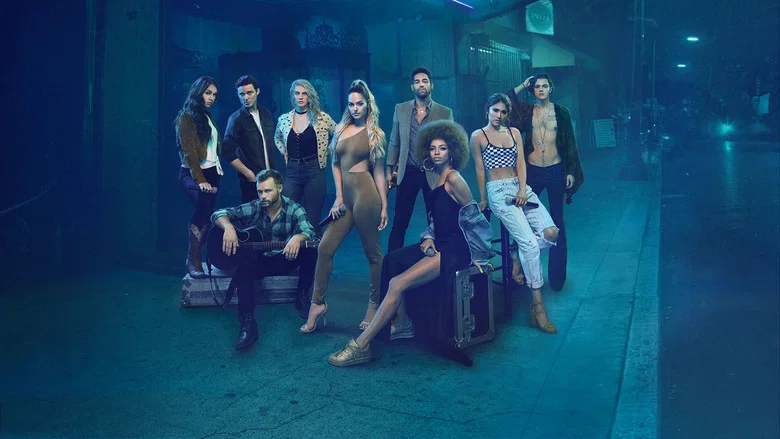
The series leans heavily on its cast—Alexandra Kay, Taz Zavala, Arika Gluck, and others—whose personal stories are meant to anchor the narrative. Kay, in particular, emerges as a focal point, her interviews and promotional appearances framing her as both a musician and a reality TV personality. It’s a dual role that reality stars often find themselves in: the artist and the product, the dreamer and the commodity.
The tension between those two identities is where Westside finds its most compelling moments. In one scene, Kay rehearses a song, her voice raw and unpolished, the kind of vulnerability that’s hard to fake. A few cuts later, she’s in a confessional booth, delivering the kind of soundbite that feels like it was written for a trailer.
The juxtaposition is jarring, not because it’s unusual for reality TV, but because it’s so honest. This is the reality of being an artist in the public eye: you’re always performing, even when you’re not.
The music itself is a character in the series, though not always in the way you’d expect. Original songs like Champagne High serve as promotional tie-ins, blurring the line between art and marketing. It’s a savvy move, leveraging the cast’s talent to drive engagement, but it also raises questions about authenticity.
Are these songs expressions of the artists’ journeys, or just another layer of the production machine? The series doesn’t answer that question, and maybe it doesn’t need to. The ambiguity is part of the point.
In the music industry, the line between art and commerce has always been thin, and Westside doesn’t pretend otherwise.
What’s missing, though, is a deeper exploration of the stakes. The trailer teases the showcase as a make-or-break moment, but the series never quite sells the idea that this is a true turning point for these musicians. There’s no sense of what happens if they fail, no glimpse into the lives they’ve put on hold to chase this dream.
Instead, the narrative feels oddly weightless, as if the producers are more interested in the idea of struggle than the reality of it. That’s a shame, because the moments when the series does slow down—when it lingers on a rehearsal, a quiet conversation between cast members, or the exhaustion in someone’s eyes after a long day—are the ones that resonate. These are the scenes that feel real, unfiltered, and human.
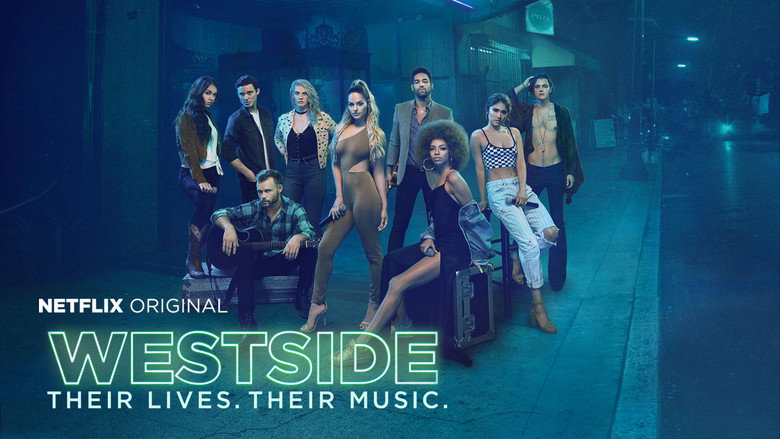
The craft of Westside is unremarkable in the way most reality TV is unremarkable: it follows the established formula of confessional interviews, dramatic cuts, and a soundtrack that cues the audience when to feel something. But there’s a rawness to the cinematography that occasionally breaks through the artifice. The camera lingers on faces a beat too long, capturing expressions that feel unguarded.
In one scene, a musician stares out a window, their reflection superimposed over the Los Angeles skyline, and for a moment, you forget you’re watching a reality show. It’s a fleeting moment, but it’s enough to make you wonder what Westside could have been if it had trusted its cast—and its audience—enough to let those moments breathe.
The series’ biggest flaw, though, is its lack of follow-through. The showcase, the ostensible climax, arrives with little fanfare, and the aftermath is glossed over in a way that feels like a missed opportunity. What happens to these musicians after the cameras stop rolling?
Do they keep chasing the dream, or do they walk away? The series doesn’t say, and that silence speaks volumes. It’s as if Westside is more interested in the performance of struggle than the reality of it.
That’s not a criticism unique to this show—it’s a critique of reality TV as a genre—but it’s especially disappointing here because the cast deserves better. They’re not just characters in a story; they’re real people with real dreams, and for a moment, you want to believe the series cares about that.
In the end, Westside is neither a scathing indictment of the music industry nor a heartwarming underdog story. It’s something more ambiguous: a snapshot of a moment in time, a glimpse into the lives of artists who are trying to make it in a city that’s as dazzling as it is indifferent. The series doesn’t offer answers, and maybe it shouldn’t.
But it does leave you with a question: What happens when the spotlight fades, and the only thing left is the work? For these musicians, and for the audience, that might be the most important question of all.
"A compact music reality watch for viewers who like following young Los Angeles artists chasing a break."
Westside is an American reality series that premiered on Netflix on November 9, 2018, following ten young Los Angeles musicians as they pursue their dreams over eight episodes. An unscripted look at their lives and creative ambitions, it's an ensemble music story built on performances and personal journeys rather than scripted drama.
Netflix’s Westside (2018) dropped with little fanfare but quickly carved out a niche as the anti-Idol, anti-Voice reality series. Instead of judges and eliminations, it offered raw, unscripted access to 10 young musicians hustling in Los Angeles—no gimmicks, just the grind. The show’s eight-episode run, which premiered on November 9, 2018, became a cult favorite for its authenticity, with stars like Alexandra Kay, Taz Zavala, and Arika Gluck leading the charge. latestnetflix.com's view is that but what set Westside apart wasn’t just its format—it was the cast’s refusal to play the reality-TV game.
Unlike its competition, Westside didn’t rely on manufactured drama or celebrity judges. The cast—including Kay, Leo Gallo, and James Byous—repeatedly emphasized that their show was about the process, not the performance. In interviews, they broke down how Westside rejected the tropes of The Voice and American Idol, where contestants are often reduced to sob stories or viral moments. "We’re not here to be judged," one cast member said in a behind-the-scenes featurette. "We’re here to show what it’s really like to chase this dream". The series leaned into the mundane: late-night studio sessions, financial stress, and the emotional toll of rejection—elements rarely spotlighted in glossy talent shows.
Kay, a standout from the cast, became a fan favorite for her vulnerability. In the show’s official music video for "You Think You Know Someone" (feat. Kay), she delivered a haunting vocal performance that underscored the series’ tone: intimate, unpolished, and deeply personal. Off-camera, Kay and her co-stars used their platform to mentor aspiring musicians, offering advice on resilience and self-belief in a cutthroat industry.
The Westside crew didn’t just perform—they preached. In a series of interviews and featurettes, they shared hard-won lessons for artists navigating the music business. Key takeaways included:
Their advice resonated with viewers, many of whom praised the show for its lack of manufactured conflict. "It’s refreshing to see artists who aren’t trying to tear each other down," one fan noted in a trailer reaction video.
Despite its unique approach, Westside never got a second season. The reasons remain unclear—rumors swirled about low viewership or Netflix’s shifting priorities, but no official statement was ever released. Still, the series left a mark. Its focus on the journey rather than the destination influenced later music reality shows, like Rhythm + Flow, which also prioritized raw talent over spectacle.
For the cast, Westside was a launching pad. Kay, in particular, leveraged her exposure to build a solo career, releasing original music and touring independently. Others, like Zavala and Gluck, continued collaborating with artists they met during filming, proving the show’s impact extended beyond the screen.
Westside may not have been a ratings juggernaut, but it succeeded where it mattered: giving a voice to artists who refused to conform. In an era dominated by TikTok fame and overnight virality, the series was a reminder that real success takes time, grit, and a willingness to fail. As Kay put it in one interview, "We’re not here to be famous. We’re here to make something that lasts".
For fans who stumbled upon the show, Westside remains a hidden gem—a rare glimpse into the unglamorous, unfiltered reality of chasing a dream in one of the world’s toughest industries.
Entertainment rumors and trivia aggregated from public reporting. Treat speculation as unverified unless a cited source confirms it.
More titles in the same genres and with the same cast.