Swell Ariel Or
Luna Armoza

The loves, heartbreak, jealousy and pain of the three Armoza sisters – Luna, Rachelika, and Becky - their parents, grandparents and children, set during the early-mid 20th century in Jerusalem.
I’ve spent the last few weeks tangled in the lives of the Armoza sisters—Luna, Rachelika, and Becky—and their sprawling, fractious family, set against the backdrop of early 20th-century Jerusalem. The Beauty Queen of Jerusalem is the kind of drama that doesn’t just unfold on screen; it seeps into your bones, lingering like the scent of spices in a market stall long after you’ve left. It’s a story about love, yes, but also about the quiet, corrosive power of resentment, the way family can be both a sanctuary and a cage, and how the past clings to us like dust on a well-worn rug.
The series is based on a novel by Sarit Yishai-Levi, though I haven’t read it, so I can’t speak to how faithfully it adapts the source material. What I can say is that the show feels like it was written by someone who understands the weight of history—not just the grand, sweeping kind, but the small, personal histories that shape us. The Armoza family is Sephardic, their roots stretching back generations in Jerusalem, and the series takes care to ground their story in the cultural and political upheavals of the time.
The early 1900s were a period of immense change for the city, and the Armozas are caught in the currents of British rule, Zionist movements, and the slow unraveling of Ottoman influence. But the show isn’t a history lesson. It’s a family saga, and its heart lies in the domestic—kitchens, courtyards, whispered arguments behind closed doors.
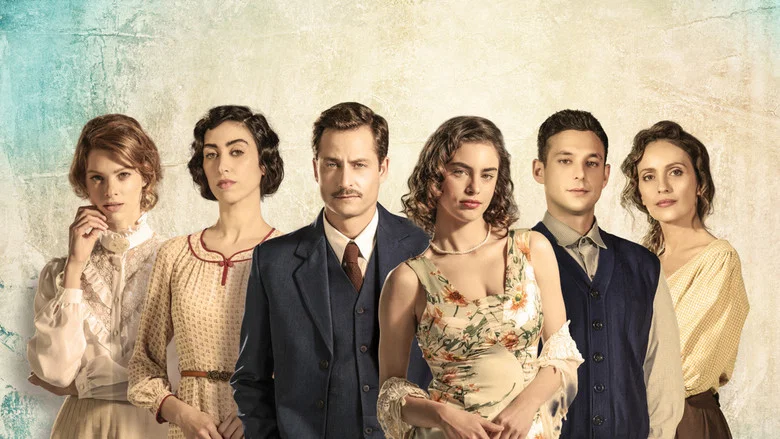
The title, The Beauty Queen of Jerusalem, refers to Luna, the eldest sister, whose striking looks and sharp tongue make her both the family’s pride and its greatest source of tension. Luna is played by Swell Ariel Or, and if the series has a gravitational center, it’s her. Or’s performance is a masterclass in restraint.
Luna is a woman who knows her power but is also painfully aware of its limits. She’s trapped in a loveless marriage, her beauty both a weapon and a curse, and Or captures this duality with a quiet, simmering intensity. There’s a scene early on where Luna stands in front of a mirror, adjusting her dress before a family gathering.
The camera lingers on her face—not in admiration, but in something closer to pity. She’s preparing for battle, and the armor she’s chosen is her own reflection.
The series spans decades, and the passage of time is marked not just by the changing fashions or the shifting political landscape, but by the way the sisters age. Luna’s beauty fades, but her bitterness doesn’t. Rachelika, the middle sister, is the rebel, the one who refuses to conform to the expectations placed on women of her time.
Becky, the youngest, is the dreamer, the one who believes in love and happiness even when the world around her seems determined to prove her wrong. Their relationships with each other are complicated, to say the least. They love each other fiercely, but they also wound each other in ways that feel irreparable.
There’s a moment in the first season where Rachelika, in a fit of jealousy, reveals a secret that shatters Luna’s already fragile marriage. The fallout isn’t just about the secret itself, but about the years of resentment that led to it. It’s a gut-punch of a scene, not because it’s dramatic in the traditional sense, but because it feels so real.
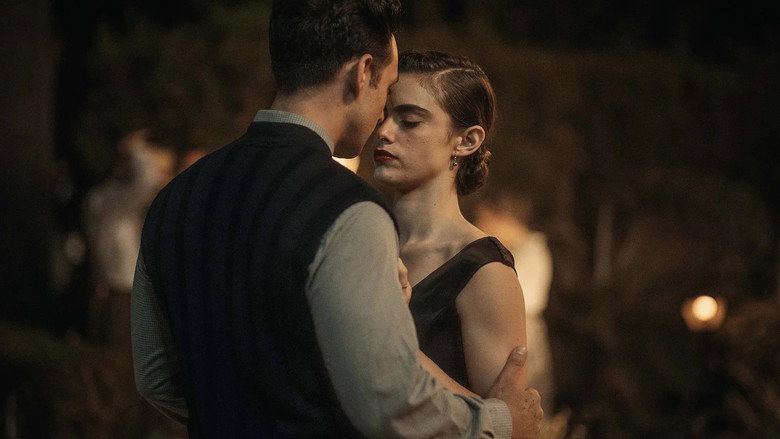
What makes The Beauty Queen of Jerusalem so compelling is its refusal to simplify its characters. Even the most infuriating among them—like Gabriel, the sisters’ father, whose stubbornness and emotional distance drive much of the family’s conflict—are given moments of vulnerability that make them feel human. The series doesn’t ask you to like these people, but it does ask you to understand them.
And that’s a far more interesting proposition.
The craft of the show is subtle but effective. The cinematography leans into warm, earthy tones, evoking the heat and dust of Jerusalem. The camera often lingers on hands—stirring a pot of stew, buttoning a dress, gripping a letter—reminding us that these are people whose lives are built on small, repetitive gestures.
The score is understated, a mix of traditional Sephardic melodies and more modern, melancholic strings. It’s the kind of music that doesn’t announce itself but seeps into your consciousness, reinforcing the emotional undercurrents of each scene.
If there’s a flaw, it’s the pacing. The series is long—the episode count across two seasons—and there are moments where the story drags, where the conflicts feel repetitive rather than evolving. But even in those slower stretches, there’s something hypnotic about the rhythm of the show.
It’s the kind of series that rewards patience, that asks you to sink into its world rather than rush through it.
I’ll admit, I went into The Beauty Queen of Jerusalem with some skepticism. Period dramas can so easily fall into the trap of romanticizing the past, of turning history into a pretty backdrop for melodrama. But this series avoids that pitfall.
It’s messy, imperfect, and deeply human. It’s about the ways we hurt the people we love, the secrets we keep to protect them (or ourselves), and the quiet moments of grace that keep us going. It’s about the weight of being a woman in a world that wants to define you, and the small, defiant acts of rebellion that allow you to define yourself.
The TMDB audience score of 5.4/10 suggests that not everyone connected with the show, and I get that. It’s not flashy or fast-paced. It doesn’t offer easy answers or neat resolutions.
But for me, that’s its strength. It’s a series that trusts its audience to sit with discomfort, to recognize the echoes of these characters’ lives in our own. It’s about the stories we tell ourselves to make sense of our past, and the stories we inherit, whether we want them or not.
I’m still thinking about Luna, about the way she carries her beauty like a shield, even as it becomes a burden. I’m thinking about Rachelika’s defiance, and Becky’s hope, and the way their lives are intertwined in ways none of them could have predicted. The Beauty Queen of Jerusalem isn’t just a story about a family. It’s a story about how we’re all shaped by the people who came before us, and how, for better or worse, we pass that legacy on.
"A rich, emotionally charged family saga with standout performances, though its pacing and melodrama may test some viewers' patience."
The series offers a deep dive into Sephardic Jewish family dynamics and generational conflict, carried in particular by Swell Ariel Or’s performance. The slow pacing and occasional over-the-top drama make it drag in places, despite its cultural authenticity and strong character work.
The Beauty Queen of Jerusalem (2021) has captivated audiences with its sweeping drama and rich portrayal of a Sephardic Jewish family in 1920s Jerusalem. At the heart of the series is Swell Ariel Or, whose performance as Gabriella has drawn praise—and curiosity about her real-life connection to the role. latestnetflix.com's take is that while the show’s future remains uncertain, Or’s rising profile and off-screen advocacy have kept her in the spotlight.
Swell Ariel Or isn’t just the face of The Beauty Queen of Jerusalem; she’s also become a vocal advocate for Israel, both on and off screen. In recent interviews, Or has spoken about using her platform to support her homeland, particularly during times of conflict. Clips from sources like and show her discussing the intersection of art and activism, though specifics about her initiatives remain scarce. Her dual role as an actress and public figure adds a layer of intrigue to her portrayal of Gabriella, a character navigating personal and political turmoil.
Fans are eager for updates on The Beauty Queen of Jerusalem’s third season, but the show’s status is murky. Rumors swirl about a potential renewal, with outlets like Premiere Next speculating on Netflix’s plans. However, no official confirmation has been released. The series, based on Sarit Yishai-Levi’s bestselling novel, has a built-in audience, but whether it will return remains unconfirmed. For now, viewers are left waiting—and rewatching Or’s standout performance.
The show’s production has offered glimpses into its making, with behind-the-scenes footage highlighting the cast’s chemistry. Michael Aloni, known for Shtisel, also stars in the series, adding star power to the ensemble. Yet details about the creative process—such as the director’s vision or challenges in adapting the novel—are thin. The series’ success hinges on its emotional depth, but without more insider details, fans are left to speculate about what’s next.
The Beauty Queen of Jerusalem has carved out a niche with its historical drama and compelling performances, particularly Or’s. But with Season 3’s fate unclear and limited behind-the-scenes insight, the show’s future is anyone’s guess. For now, Or’s advocacy and the series’ loyal fanbase keep the conversation alive.
Entertainment rumors and trivia aggregated from public reporting. Treat speculation as unverified unless a cited source confirms it.
More titles in the same genres and with the same cast.